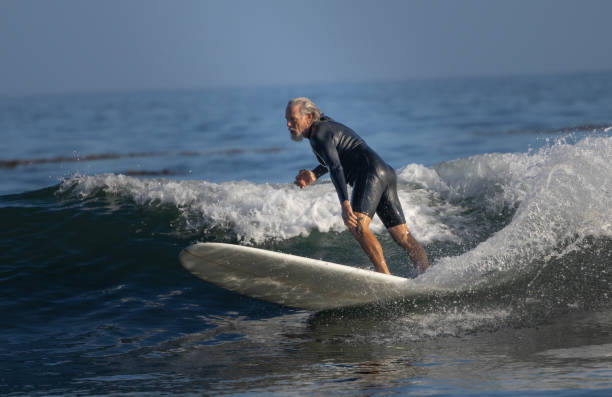
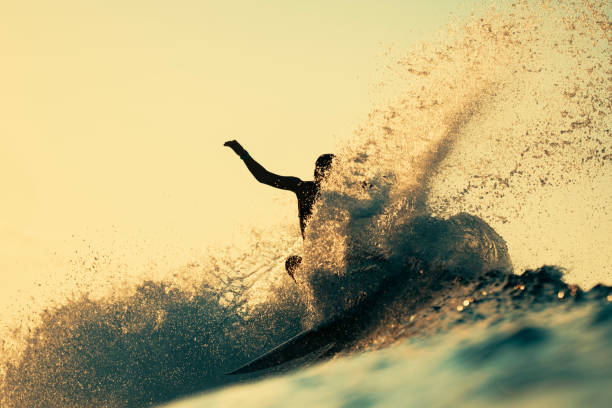
There’s a certain sound that makes a seasoned surfer’s ears perk up on a flat, gray morning. Not the thunderous crash of a dry reef, but the soft, sloshing sigh of a wave that barely stands up before folding over itself. That’s the mush. For too long, it’s been the unwanted stepchild of the lineup. We dream of barrels and overhead perfection, but reality for most of us is a soft, slow wave groveling along the sandbar. The secret? That grindy, sloppy wave might just be the best teacher you ever paddle out for.
Don’t get me wrong. I’d take a clean, hollow A-frame over a sectiony mushburger any day. But chasing perfection is a fool’s errand. The ocean gives you what it gives you; ride it, don’t fight it. When you paddle out to a mushy lineup, recalibrate your expectations. You’re not getting a spit-out barrel. You’re getting a long, crumbly shoulder that keeps your brain working from takeoff to inside. Every paddle stroke, weight shift, fin adjustment becomes amplified. That’s the magic of the mush. It strips away flash and leaves you with the pure essence of wave riding: the glide.
Think about it. On a steep, powerful wave, you can get away with a lot. Drop in, bottom turn, project up the face, and the wave does the heavy lifting. But on a mushy wave, you have to pump for every inch of speed. You have to find the small pockets of push hiding in the soft sections. You have to read the face like a book written in shifting sand and tide. That’s where real surfing happens. Your legs burn, your arms feel like noodles, but when you link a couple of weak turns and milk that wave to the shore break, you get a stoke way deeper than any pull-in barrel.
There’s also a spiritual side to the mush. When you surf soft waves, you learn patience. You wait for that slightly steeper section, that little bump of energy that might give you a half-second of release. You stop forcing things and start flowing with the ocean’s mood. It’s a meditation. The Hawaiian old-timers had a phrase: “He’e nalu i ke kai o ka nalu,“ loosely meaning to ride the wave as it comes. That’s embracing the mush. You’re not conquering the ocean. You’re dancing with it, even if it’s a slow waltz instead of a frenetic salsa.
Let’s talk equipment. Riding mush is a different ballgame than charging a hollow reef. Forget the high-performance shortboard with super-thin rails. Pull out the fish, the funboard, or a longboard. Bigger fins, more volume, and a wider template give you the planing surface to generate speed where there is none. Paddle power helps too; on a mushy day, you work harder to get in early, so a board that paddles like a dream is gold. There’s no one hooting for a carvy roll of the lip, but there’s deep satisfaction in making a wave that barely exists feel like a canvas for creativity.
In the grand scheme of surfing culture, let’s stop apologizing for mushy days and start celebrating them. The Endless Summer wasn’t just about perfect, empty waves. It was about the endless search for stoke, wherever you find it. Some of the most fun sessions I’ve ever had were in waist-high slop with buddies, laughing every time we kicked out because the wave gave up. It’s not about the size of the wave; it’s about the size of your smile. So next time the forecast shows 2-foot ankle-biters, don’t write it off. Paddle out, adjust your approach, and find the flow. You might be surprised how much the mush teaches you about the art of riding waves.
That’s the Zen of it. The wave gives you a chance to strip away expectation and ego. You’re left with fundamentals: balance, timing, and pure joy. The mush isn’t the day to skip. It’s the day to show up, get humbled, then get thrilled. Because at the end of the grind, when you walk up the beach dripping and grinning, you know you earned every stroke. And that is the real soul of surfing.