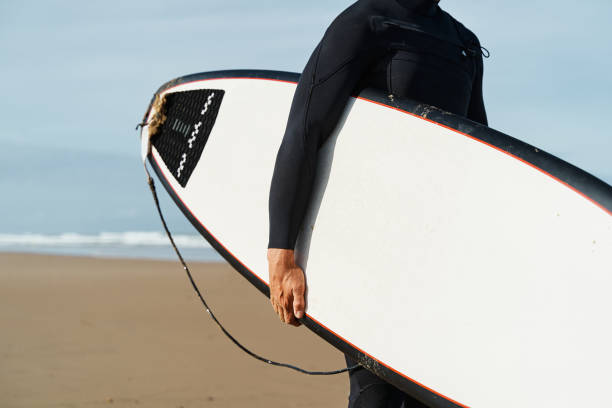
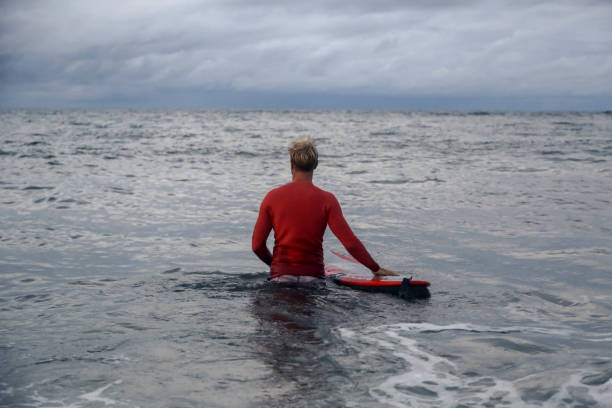
Stroll down to any break at dawn patrol and you’ll spot them before the sun even cracks the horizon. Little shredders, all knees and elbows, waxing up a board that’s seen better days, or maybe a brand new stick their folks dropped serious coin on. They paddle out like they own the place, drop in on sets they’ve got no business catching, and then, against all odds, they pull into a barrel that makes the salty old-timers on the beach choke on their coffee. That’s a grommet, plain and simple. But the term goes way deeper than just a shoulder-high kid with a rashie. In the surfing world, calling someone a grommet is a badge of honor, a rite of passage, and a whole attitude packed into six letters.
The word itself has fuzzy roots, maybe from Australian slang for a young worker, or from an old shipboard term for a cabin boy. But in the water, it’s morphed into pure stoke. A grommet isn’t just any young surfer. Oh no. There’s a distinct vibe that separates the true grom from the weekend warrior. A real grommet eats, sleeps, and breathes waves. They’ve got saltwater in their veins and sand permanently embedded in every crevasse of their car. They talk surf jargon before they even learn proper grammar, dropping “epic” and “shredded” like seasoned pros. And they’ve got an unquenchable fire to improve, trading snow days for south swell days, skipping school when the forecast shows a solid groundswell rolling through. That’s the grommet spirit, and it’s been the lifeblood of surfing since before anyone called it a sport.
You can usually spot a grommet by their gear, which tends to be a chaotic mix of hand-me-downs, duct tape, and pure ambition. Board shorts that hang past their knees, a wetsuit that’s two sizes too big so they can grow into it, a leash that’s all knotted up. But don’t let the rag-tag appearance fool you. That little ripper might be the most dangerous thing in the water. Grommets have this fearless, reckless abandon that veteran surfers lose after a few too many reef kisses. They’ll huck themselves off double-overhead waves without a second thought, eat foamies like breakfast, and paddle right back out with a grin wider than the lineup. That youthful ignorance of consequence is both their superpower and their biggest hazard.
The surf culture has always had a special place for grommets. Think of the old Hawaiian beach boys who mentored the next generation, or the California kids who invented the modern shortboard revolution. Every legend from Duke Kahanamoku to Carissa Moore started as a grommet, sponging up wisdom from the older crew while simultaneously pushing them to charge harder. The relationship is mutual. Grommets keep the stoke alive in tired souls. They remind you why you fell in love with riding waves in the first place, before responsibilities and mortgage payments got in the way. They paddle for everything, hoot and holler at every closeout, and bring a raw energy that can’t be faked.
But let’s be real: grommets can also be a handful. They’ve got a reputation for snakey behavior, dropping in on people, and paddling way too close to your peak. It’s not malicious; it’s just the single-minded ambition of youth. They see a wave and they go for it, no hesitation, no respect for territorial vibes. That’s why elder statesmen in the lineup often give grommets a little extra leash, a polite word, or a not-so-polite shove when they cross the line. It’s all part of the unspoken surf code. And the good ones learn fast. The grommets who show humility, who ask questions, who wait their turn, they earn the respect of the crew. That’s the path to becoming a true waterman or waterwoman. The ones who don’t, well, they either shape up or get hounded back to shore.
The term itself has evolved too. These days, you’ll hear “grom” as a slangier shorthand, or “little grommie” as a term of endearment. It’s crossed over into other board sports, like skateboarding and snowboarding, but the soul remains pure surfing. And as the sport grows more competitive, with grommets getting sponsorship deals and coaching at age ten, the essence hasn’t changed. A grommet is still that kid who paddles out at dawn when the water is glassy, who gets barreled and then screams with joy, who sleeps on the beach just to get one more surf session in before dark. That’s the grommet way.
So next time you see a tiny figure on a big foamie paddling out with unearned confidence, don’t roll your eyes. Give them a shaka, a nod, maybe a shred of advice if they’re glassy. Because that grommet is the future of surfing. They’re the ones keeping the dream alive, chasing the endless summer with total abandonment. And if you play your cards right, you’ll get to watch them turn into the next local charger, still carrying that grommet fire in their heart. Now wipe the sand off your feet, grab your stick, and go catch one for the grommet in all of us.