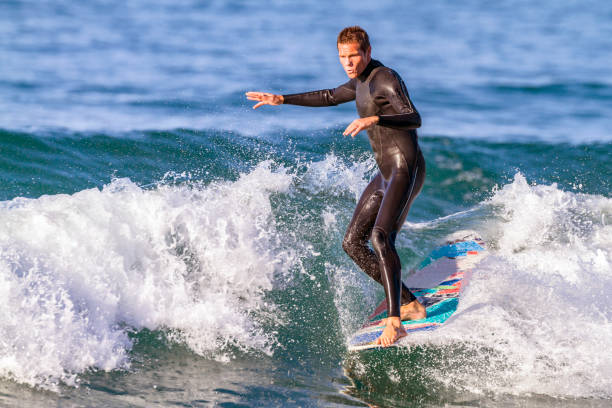
Every surfer knows the groan when you paddle out to a crumbling, soft peak that barely throws a lip. The forecast promised juice, but you’re staring at a lumpy ocean that looks like a washing machine. Most crew would call it a mushy day and head for the coffee shop. But here’s the thing – mushy waves have a lot going for them if you slow down and listen. They’re slow, weak, and unexciting on the surface, yet for the surfer who wants to refine timing, boost board control, and enjoy the ocean without chasing hollow pits, a mushy wave is a hidden gem of pure stoke.
The trick is to stop fighting the wave and start dancing. On a steep, hollow wave, the ocean does most of the work – you drop, tuck, get barreled, and adrenaline carries the ride. Mushy waves ask for patience, a soft touch, and a deep understanding of where the energy sits in the water. Instead of hacking a turn, you caress the face, nudging your board through sections that barely have enough push to keep you moving. That’s when the real surfing education begins. You learn to shift your weight ever so slightly, find the little ramp of green water that gives you just enough speed to cross a flat spot. You pump before the section dies, but not in an aggressive, explosive way. It’s a smoother, more rhythmic pump – like a heartbeat, not a jackhammer.
When you unlock the secret to mushy waves, you realize they’re not actually mushy at all. They’re just waiting for you to see them differently. That slow, soft wave lets you stay in the pocket longer, work on your bottom turns with more control. You practice cutbacks as a flowing return to the power source, not a slash. You can even pull off a roundhouse on a crumbling face if you carry your speed through the foam ball. Longboarders know this dance well. A lot of shortboarders who only chase barrels miss out on the pure meditation of a mushy day. When the ocean hands you a mellow slope, you have a chance to get truly zen.
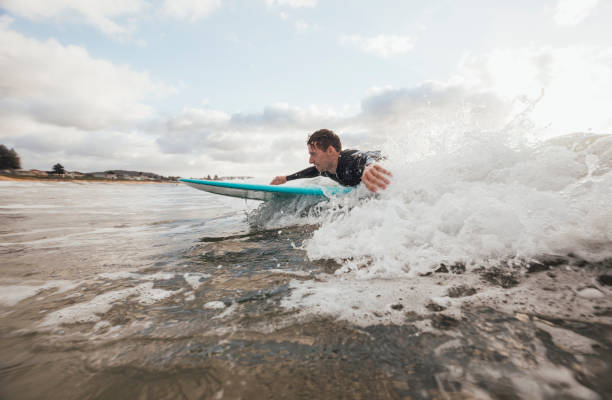
There’s a rhythm to it. You spot a soft lump on the horizon, paddle with purpose, feel the swell pick up your tail, and pop up with a calm motion. Then you’re riding. The wave doesn’t throw a lip, but it offers a shoulder that stretches for days. You can trim, cross-step, or just listen to the water hiss under your deck. It’s a different kind of stoke – not the frantic thrill of a hollow tube, but a deep oceanic breath. You notice the textures of the water, the way light filters through the surface, the gentle bump of a current. You’re no longer conquering the wave. You’re becoming part of it.
The best part is that mushy waves are everywhere. You don’t need a world-class point break or a secret reef pass in Indo. Your local beach break, on a small swell with a sandbar that hasn’t groomed itself, serves up these soft shoulders all year round. That means more waves, more time in the water, more practice. Instead of sitting out the small, weak days, paddle out and treat them as your personal dojo. Work on paddling strength, positioning, and reading shifting peaks. You’ll be shocked at how much better your surfing gets when the ocean isn’t doing all the heavy lifting.
A mushy wave also teaches humility. You can’t just huck yourself over and hope for the best. You have to earn every inch of glide. That humble approach carries over to all your surfing. When a proper hollow day comes, you’ll be smoother, more relaxed, and more in the moment. The barrel opens up because you’re not forcing it. The soft days gift you the calm, patience, and flow that the frantic pursuit of perfection often buries.
So next time you see a mushy set roll through, don’t paddle in. Paddle out, take a deep breath, and let the wave teach you its quiet lessons. Because in the end, it’s not about size or power. It’s about connection. And a mushy wave – with its slow, soft, forgiving face – might just give you the most soulful ride of your life.