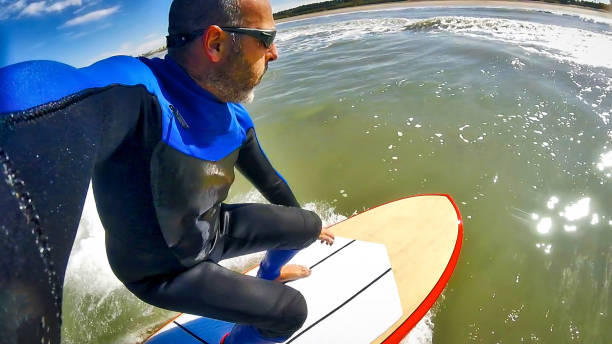
Let’s cut straight to the chase: if you’re serious about surfing beyond the tropical reefs and warm-water point breaks, you need to get friendly with a wetsuit. This isn’t just a piece of gear; it’s your passport. It’s the magic cloak that turns frigid, empty lineups into your own personal playground while the crowd is huddled on the beach. Forget about waiting for a tropical vacation to get your fix. With the right rubber, you can paddle out in dawn patrol frost, misty winter gloom, or the chilly upwellings of a California summer, and stay out there until your arms give out. The endless summer isn’t just a movie; it’s a mindset you wear.
So how does this modern marvel work? It’s simple physics, bro. The suit itself doesn’t heat you up. Instead, it traps a thin layer of water between your skin and the neoprene. Your body warms that water, and the suit’s job is to keep that warm layer from flushing out with every duck dive or wipeout. That’s why fit is everything—it’s gotta be snug, like a second skin. A baggy suit is a cold suit, letting the ocean constantly swap out your precious warm water for a fresh batch of icy brine. You want it tight enough that it’s a bit of a workout to get into, but once you’re zipped up, it should move with you, not fight you.
Now, let’s talk thickness. You’ll hear it thrown around like surf slang: “It’s a 4/3 day” or “Breaking out the 5 mil.” Those numbers refer to the thickness of the neoprene in millimeters, usually listing the core thickness first and the limb thickness second. A 3/2 is your standard cooler-water companion, perfect for those crisp spring and fall sessions. When winter really flexes its muscles, you step up to the 4/3. And for those proper Arctic missions, where the water is hovering in the low 40s, you’re looking at a 5/4 or even thicker, often with built-in hood, boots, and gloves. Don’t be the kook who wears a 4/3 in tropical water and passes out from heatstroke; match the rubber to the conditions.
But it’s not just about thickness anymore. Tech has gotten wild. Modern suits are all about flexibility, warmth, and durability. Seam construction is key. Flatlock seams are stitched and are good for warmer suits, but they can let a little water seep. Blindstitched and glued seams are the gold standard for cold water—they’re sealed tight, keeping you dryer and toastier. Then you’ve got features like fluid seam welds, fancy liner systems like Yamamoto’s #39 rubber, and strategic panels in key flex zones like the shoulders and lower back. These innovations mean you can actually paddle and pop up without feeling like the Tin Man.
Taking care of your suit is non-negotiable. This is your lifeline in the cold. Rinse it thoroughly with fresh water after every session, inside and out. Hang it on a thick, wide hanger—never by the shoulders, which will stretch them out—in a cool, shaded spot. Keep it away from direct sunlight and hot cars, which will bake the neoprene and kill its stretch. Show it some love, and it’ll return the favor for seasons to come.
At the end of the day, a wetsuit is the ultimate enabler. It’s the piece of equipment that says, “Screw the season.” It lets you chase swells across the globe, not just the warm parts. It turns a shivering, miserable paddle into a focused, warm session. So invest in a good one, treat it right, and get ready to expand your horizons. Because the best waves in the world don’t always come with warm water and palm trees. Sometimes, they come with a bit of a bite, and your wetsuit is what lets you smile right back.