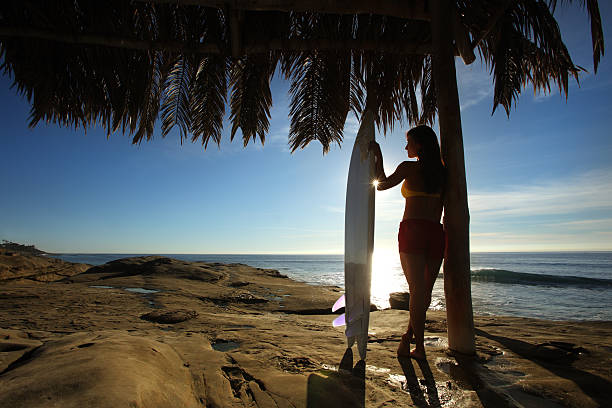
Let’s get one thing straight from the get-go: you can’t just paddle out and expect the ocean to hand you a good time on a silver platter. The lineup doesn’t care if you’re gassed after three duck dives or if your arms feel like wet noodles trying to pop up. Surfing is a full-body battle against a powerful, moving force, and winning that battle comes down to one thing—surf fitness. This isn’t about getting beach-ready for Instagram; it’s about building the functional, raw power that turns you from a kook fighting the whitewater into a surfer truly mastering the waves.
Forget the gym-bro mentality of isolating muscles. Surf fitness is about building a connected, resilient machine. It starts where every wave starts: the paddle. Your engine room is your back, shoulders, and core. Weak paddling means you miss waves, get caught inside, and spend your session playing catch-up. To build that paddle power, think movements that mimic the motion. Pull-ups, bent-over rows, and even simple prone supermans on the living room floor fire up those critical muscles. You’re not training for a weightlifting medal; you’re training for the relentless repetition of digging into the water, session after session.
But paddling is just your ticket to the dance. The real test is the pop-up. That explosive, half-a-second transition from prone to stance is where waves are made or missed. It’s a full-body explosion that needs a solid foundation. Your core isn’t just about six-pack abs; it’s your body’s central command, transferring power from your upper body through to your board. Exercises like burpees (hate ‘em, but love ‘em), mountain climbers, and plank variations aren’t just punishment—they’re direct practice for that critical move. Do them until they’re second nature, so when a set wave rears up, your body reacts before your brain even processes it.
Once you’re up, the game changes. Now it’s about power, balance, and endurance in the most unstable environment imaginable. This is where leg strength meets ankle stability and proprioception—your body’s sense of where it is in space. Squats, lunges, and box jumps build the raw horsepower for powerful turns and driving down the line. But don’t neglect the small stuff. Exercises on a balance board or even just practicing your stance on a wobble cushion train those tiny stabilizer muscles in your ankles and knees. This is what keeps you locked in when you’re driving through a choppy section or setting a rail in a critical bottom turn.
And we can’t talk surf fitness without mentioning the two most underrated tools: your lungs and your flexibility. Breath-holding isn’t just for wipeouts; it’s for staying calm when you’re held under and for powering through a long paddle battle. Simple breathwork and swimming laps can build that capacity. Flexibility, meanwhile, is your injury insurance and your performance enhancer. A fluid, loose body recovers faster, moves more efficiently, and is less likely to snap when you get pitched over the falls. Dynamic stretching before a session and some deep, held stretches after are non-negotiable.
At the end of the day, the best surf fitness program is, obviously, surfing. Nothing replicates the unique demands of reading water, battling currents, and the pure adrenaline of a drop like actually being out there. But your time in the water is precious. Don’t waste it being unfit. The work you do on land—building that paddle strength, that explosive pop-up, that resilient stance—is what maximizes every single second you spend in the lineup. It’s the difference between surviving a session and absolutely dominating it. So put in the work. Your next, better wave is waiting.