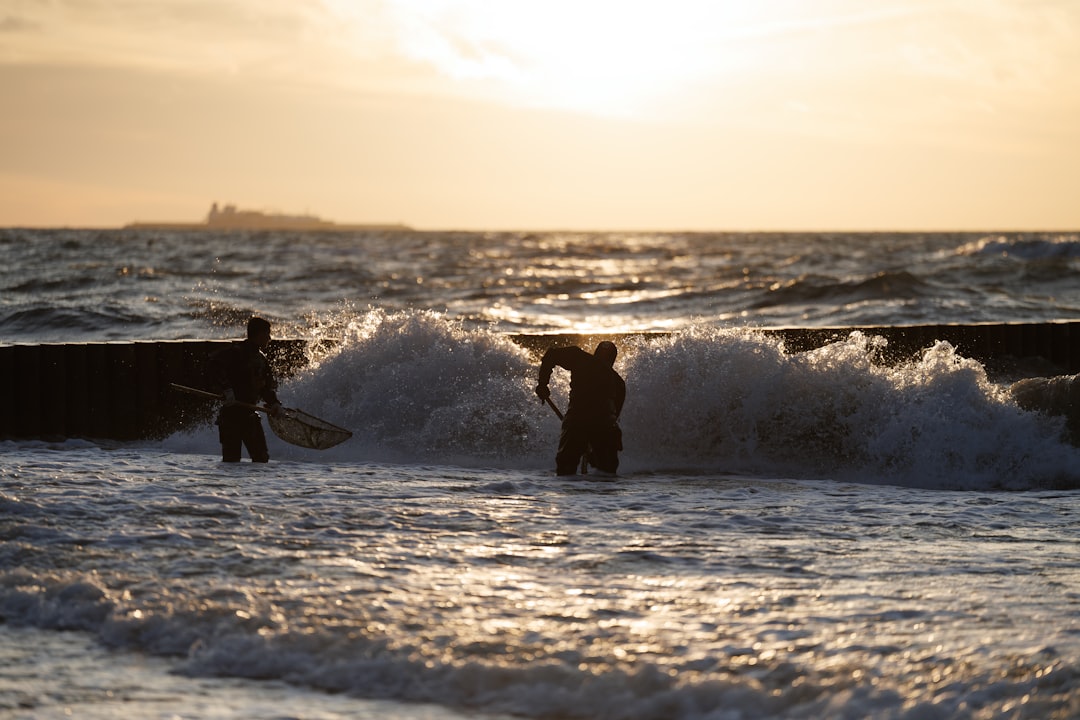
Let’s cut to the chase. You’re out there chasing that endless summer feeling, the sun’s warm, the water’s glassy, and the lineup is firing. It’s pure stoke. But nothing kills that vibe faster than a bad wipeout—or worse, watching a buddy get hurt because someone got sloppy. Mastering the waves isn’t just about pulling off a sick cutback or getting barreled; it’s about coming back in one piece, session after session. This is a no-nonsense chat about keeping yourself and your crew safe. It’s the foundation of the surfing lifestyle, and without it, you’re just asking for trouble.
First up, know your limits. We’ve all seen it: a frothing grom or a freshly minted weekend warrior paddles out on a solid eight-foot day because their ego wrote a check their skills can’t cash. Don’t be that guy. Respect the ocean’s power. If it’s bigger or gnarlier than you’re used to, there’s no shame in watching from the beach or finding a mellower peak. Building your skills gradually is how you last in this game. Getting pounded onto the reef or held down for two waves straight isn’t a badge of honor; it’s a recipe for a one-way ticket to the beach—or the hospital.
Your gear is your lifeline, so treat it that way. A quick pre-surf check takes two minutes but can save your skin. Is your leash cord solid, not sun-rotted and brittle? A snapped leash on a big day means a long, dangerous swim and your board becoming a missile for everyone else. Are your fins tight? Is your wax grippy, or is it a slick deathtrap? And for the love of all that is hollow, if you’re surfing a shallow reef or a rocky point, wear a helmet. It’s not a fashion statement; it’s brain-bucket insurance. Pros wear them in heavy slabs, so check your pride at the shoreline.
Now, let’s talk lineup etiquette. This isn’t just about being polite; it’s about preventing collisions that can snap boards and crack skulls. The surfer closest to the peak has the right of way. Don’t drop in. Don’t snake. Paddle wide around the peak, not straight through the take-off zone. When you’re kicking out, check behind you before ditching your board. A loose log to the teeth is a surefire way to ruin everyone’s day. This stuff is the unwritten law of the land, and following it keeps the vibe in the water positive and safe.
Finally, know your environment. Scout the spot at low tide. Where are the channels? Where does the water suck out over the reef? What’s the bottom like? Pay attention to currents. If you get caught in a rip, don’t panic and paddle straight in. Paddle parallel to the shore until you’re out of it, then catch a wave or paddle back in with the whitewater. And never, ever surf totally alone, especially in remote spots. Having a buddy in the water means you’ve got someone to have your back when things go sideways.
The ultimate goal is to keep the stoke alive. A shredded ligament, a head injury, or a bad ding in your favorite board because you got lazy with safety is a total buzzkill. It means weeks out of the water, missing swells, and watching from the sand. So be smart. Be humble in the face of the ocean. Look out for your fellow surfers. Because mastering the waves means respecting them first. That’s how you ensure the endless summer truly is endless. Now go get some, and play it safe out there.