



All Articles

Live Surf Cams

Surfline Live is a 24/7 glimpse into the world’s surf.

This stream moves through Surfline’s global camera network, showing spots where it’s daylight and rated Fair or better.

What’s The Deal With…?

Surf News & Updates

Dude, get yourself a water-logged journal or a solid app. After each session, jot down the conditions, what you worked on—like nailing that bottom turn or getting more vertical—and how it felt. Watching clips of yourself is key, even if it’s just phone footage. It’s all about spotting little improvements, like generating more speed down the line or cleaning up your pop-up. This mindful approach helps you focus your next dawn patrol.

Offshore wind blows from the land out to sea, grooming the waves perfectly. It holds the lip of the wave up, creating those clean, hollow, and well-defined lines we all dream of. This smoothing effect makes for better, more predictable rides and is the gold standard for most surfing conditions. When you see palm trees bending toward the ocean, it’s a sure sign you’re in for a good session.

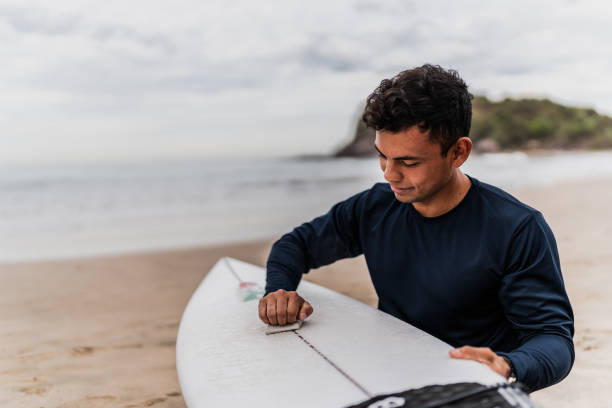
Keep it out of direct sun when not surfing, as UV rays can break down the foam and adhesive. Rinse it with fresh water after saltwater sessions. Avoid getting surfboard oil or solvents on it. If wax builds up on it, use a wax comb or a plastic scraper to gently remove the bulk, then a bit of wax remover on a rag for the residue. With good care, a quality pad should last for years, outliving several board repairs!

Legendary Surf Spots

Respect and preparation are key. First, get your duck-diving and breath-holding dialed—you’ll need it. Study the break for hours, watch the locals, and understand the currents and rips. Your equipment must be on point: a right-sized board and a solid leash. Most importantly, be honest about your ability. Paddling out at a place like Teahupo’o or Shipstern Bluff isn’t just about skill; it’s a mental game. Start smaller, build confidence, and never go alone.

Practice on land, every day. Muscle memory is key. Lie on your stomach, hands by your ribs, and in one smooth motion, push up and spring your feet under you. Avoid the “kook crawl” where you bring a knee up first. The motion should be a quick, fluid “pop,“ not a slow climb. On the water, look where you want to go (down the line, not at your feet) as you come up. A clean, fast pop-up sets you up for everything that follows on the wave face.

A proper surf hat is built for the ocean, bro. It’s usually made from quick-dry, stretchy materials and often has a chin strap or leash so a wipeout doesn’t send it to Davy Jones’ locker. The brim is designed to stay put in the wind and not block your view when you’re paddling. Sun protection is key, so look for UPF ratings. Regular caps get soggy, heavy, and fly off—a surf hat is functional gear designed to handle the elements.