All Articles

Live Surf Cams

Surfline Live is a 24/7 glimpse into the world’s surf.

This stream moves through Surfline’s global camera network, showing spots where it’s daylight and rated Fair or better.

What’s The Deal With…?

Surf Travel Adventures

Local weather is huge. Some spots are protected from prevailing winds by a headland or island, creating a wind shadow. Others get sideswiped by afternoon thunderstorms in the tropics. Understanding the daily wind cycle (like the classic afternoon “sea breeze” onshore switch) is key. Also, nearby points of land can block or refract swell. The best spots have reliable, clean conditions thanks to their unique geographic setup against local weather.

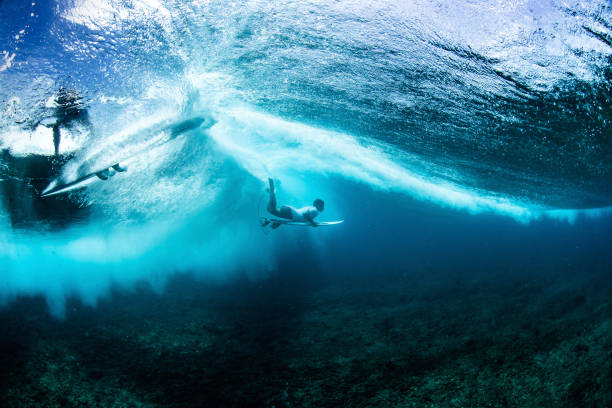
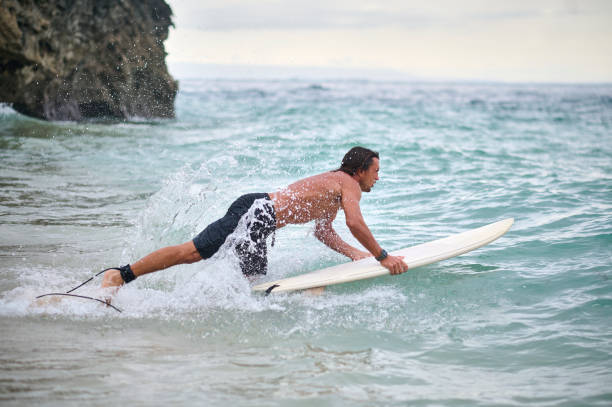
Timing is everything. Watch the sets and find the lulls. When a wall of whitewater comes, roll turtle (on a longboard) or duck dive (on a shortboard). For a duck dive, sink the nose deep, push the tail down with your foot, and use your knee to drive the board under the turbulence. Stay calm and conserve energy. Sometimes, it’s smarter to walk down the beach to a channel. Don’t fight the ocean; work with it.

Think of fins as your board’s steering and hold system. A larger, upright template offers more stability and drive for small-wave groveling. A smaller, swept-back set gives you looseness for snaps and vertical hits. For your everyday board, a versatile thruster (three-fin) setup or a quad for extra speed down the line is a solid bet. Don’t be afraid to experiment with different setups to feel what works with your style and local break.

Surf Culture & Community

The OG shapers were craftsmen, often working solo. Hobie Alter revolutionized it by ditching heavy wood for foam and fiberglass in the 50s, making boards lighter and accessible. This shift birthed brands like Hobie and later, Gordon & Smith. They moved shaping from a backyard art to a real industry, allowing performance to skyrocket and defining the modern shortboard era.

Dude, it’s all about the geography! The Coast has this insane, uninterrupted stretch of sand-bottom points and beachies that just suck in any swell. Spots like Snapper Rocks, Kirra, and Burleigh Heads are world-famous for a reason—they’re groomed by the dominant east swell and blessed with offshore winds from the west. It creates those long, rippable walls we dream about. Plus, the water’s warm, the vibe is generally chill, and there’s a break for every level, from grommets to pros. It’s a true surfer’s playground, always firing.

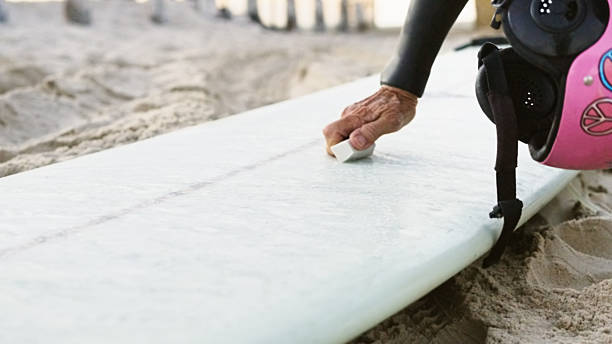
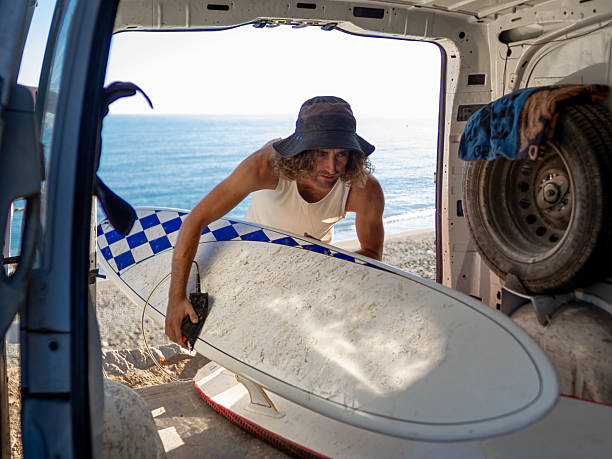
Traction, brother! Without good wax, you’re a slip-and-slide waiting to happen. A proper wax job gives your feet the grip needed for powerful turns and critical drops. Apply a basecoat in a circular pattern for warmer water, and a topcoat for cooler temps. Keep it fresh, especially after a few sessions or if it gets slimy. It’s a simple ritual that keeps you connected to your stick. No wax, no grip, no style.