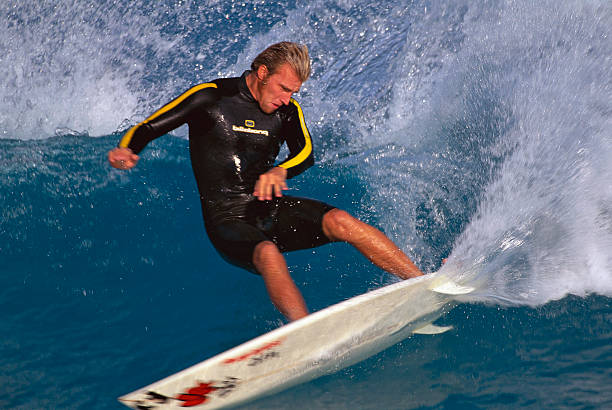
You roll out of bed before the sun even thinks about cracking the horizon, grab your board, and hit the dawn patrol. The waves are mediocre, the wind is onshore, but you paddle out anyway because that’s what you do. After an hour of fighting for a couple of closeouts, you stumble back to the car, shivering, salt-crusted, and somehow starving. You don’t need to think about where to go next. You already know. The shop is calling your name, not because you need a new pair of traction pads or a fresh stick of wax, but because that little storefront on the corner of PCH and Elm is more than a retail space. It’s the heartbeat of the whole damn surf community.
Walk through the door and the first thing that hits you is the smell—that glorious mix of coconut wax, neoprene, and salt air that somehow gets baked into the floorboards. The bell jingles above your head, and a familiar face looks up from a ding repair. “How was the dawn patrol?“ he asks, even though he already knows. He was out there too, just on a different peak. That’s the thing about a local surf shop. It’s not run by some corporate drone in a polo shirt scrolling through inventory spreadsheets. It’s run by a waterman who has salt in his veins and sand permanently embedded in his truck’s floor mats. He’s given you a discount on fins when you were broke. He’s fixed your snapped board for a six-pack of beer. He’s told you exactly where the sandbar is shifting, saving you hours of aimless paddling.
Local shops are the glue that holds the tribe together. In a world where you can click a button and have a mass-produced board shipped to your doorstep in forty-eight hours, these shops remind us that surfing is a relationship, not a transaction. They sponsor the local groms, the ones who show up to contests with duct-taped leashes and more determination than a bulldog in a wave pool. They host beach cleanups, surf movie nights, and the kind of backyard BBQs where the stories get taller than the waves themselves. When someone new to the area paddles out, the shop is where they learn the unwritten rules of the lineup—who’s got the inside, where the reef is shallow, and why you don’t drop in on old Manny with the retro single-fin. That knowledge isn’t in any product description. It’s passed down like a sacred text, one conversation at a time.
And let’s talk about the gear. Sure, you can get a board bag online that’s cheaper, but the local shop has options that actually make sense for your break. He knows that the Slater reef gets hollow in late summer and that a step-up with extra glassing will save you from snapping a rail. She knows that the winter swell brings in a north wind chop, so you need fins with a bit more rake. The shop stocks leashes that don’t snap after two solid duck dives, and wax that actually sticks to your board in the strange microclimate of your home beach. They don’t sell every brand under the sun because they don’t need to. They carry what works, what they’ve tested in the water, and what they’d trust their own kids on.
But the deepest magic of the local shop shows up on the glassy days. The days when the forecast looks like a painting and you’re sitting in the parking lot, watching a set roll through as the tide pushes. You see the shop guy load up a couple of boards and drive toward the point. Then you see him after the session, leaning against the counter, recounting a barrel he threaded that made your jaw drop. The shop becomes the living room for the surf community. Old guys who’ve been riding since the 60s share coffee with teenage rippers who are doing air reverses. The stories mix, the stoke spreads, and somehow you feel like you’re part of something bigger than just a bunch of individuals chasing the same swell.
In the end, the local surf shop is a compass. It points you toward the waves, toward the people, and toward the version of yourself that stays curious, humble, and stoked. So next time you need a new fin key or just a friendly word, skip the mega-mart. Go see your local shop. Hang for a bit. Ask about the tide chart on the wall. You’ll leave with more than you came in for—a smile, a tip, maybe a sticker for your board, and the unshakeable feeling that you’ve found your home away from the ocean.