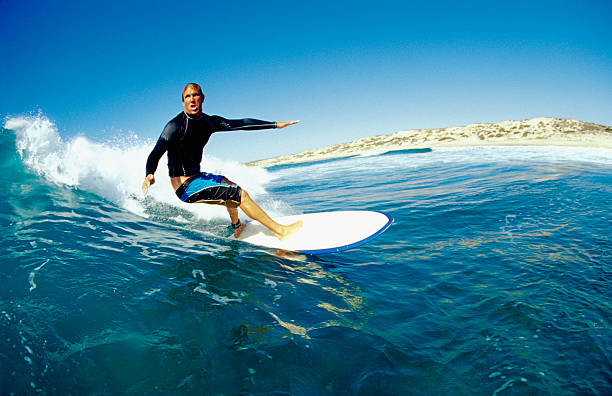
When you live for the swell, the ocean ain’t always gonna meet you halfway with a balmy seventy degrees. Some days it’s a crisp dawn patrol in spring, other afternoons the wind swings offshore and the water drops like a rock. That’s where the rubber kicks in. Your wetsuit ain’t just a piece of gear—it’s your ticket to staying out there when the glassy sets are firing and the air’s got that bite. The real trick ain’t owning a closet full of suits, but knowing how to layer and swap thickness like a pro. Once you dial that in, you’re golden from the tropics to the Arctic.
Most crew think a wetsuit’s job is to keep you warm, but that’s only half the story. It’s a heat exchange system, yeah, but it also traps a thin film of water against your skin, then your body warms that water up. That’s why a snug fit matters more than anything. If it’s baggy, you’re lettin’ cold flush in and out every time you paddle. If it’s too tight, you’re fightin’ for breath and chafin’ like a rookie on a longboard. For all conditions, start with a solid 4/3 fullsuit as your bread and butter. Four millimeters on the torso, three on the arms and legs—that covers most of spring, fall, and even mild winter days. Pair it with boots and gloves when the mercury dips, and you’ve got a workhorse that handles a wide range.
But what about the real extremes? Down in the tropical zones where the water hits the upper seventies, you don’t need a full suit at all. A spring suit, often 2/2 or 3/2 with short arms and legs, gives you just enough rubber to stave off the morning chill and the wind on the paddle out. Some guys even rock a rash guard and board shorts when it’s truly torrid, but that thin neoprene layer can save you from the sun’s rays and the occasional jelly tickle. On the flip side, when the water drops below fifty, you’re talkin’ 5/4 or even 6/5/4 hooded suits. That’s the deep winter armor, the kind that makes you look like a seal in a space suit. The key there is getting a suit with proper chest zip or rear zip, taped seams, and a thermal lining like fleece or titanium. It ain’t cheap, but neither is hypothermia.
Now here’s the secret most surfers overlook: layering under the suit. You don’t just pick one thickness and pray. A 4/3 with a neoprene vest underneath can punch up to 5/4 territory without droppin’ two grand on a second suit. That vest, usually 2mm, adds core insulation where it counts. Same goes for hoods—you can add a separate hood over any suit, though integrated hoods are better for extreme cold because they eliminate water flushing down your neck. For your feet and hands, thin wool or silk liners inside your booties and gloves add surprising warmth. The game is all about trapping that warm water and reducing circulation loss. Your extremities go numb first, so pay attention to your boot thickness—3mm for cool water, 5mm for icy, 7mm for the truly frozen stuff.
Seams and zippers are the unsung heroes. Flatlock seams stretch easy and dry fast, but they leak a bit. For all conditions, go with glued and blind-stitched (GBS) seams on a fullsuit—they block out water way better. Taped seams on the inside add extra armor against flushing. And zips? Back zips are easier to get in and out of, but chest zips are the modern gold standard for warmth and flexibility. They create a tighter seal over your chest and reduce the water pump effect when you’re paddling. If you’re splittin’ time between two suits, get a chest zip for the cold one and a back zip for the warm spring suit when you’re rippin’ it off between sessions.
Wetsuit care is part of the equation too. Rinse your rubber with fresh water after every surf, hang it in the shade, and never fold it over a thin hanger—that creates creases and cracks. Use a wetsuit shampoo every few weeks to keep the neoprene supple and fight the stank. A well-cared suit lasts years, and year after year, you’ll find that the better your suit fits and seals, the less you think about it. And when you’re not thinkin’ about the cold, you’re thinkin’ about the wave. That’s the whole point.
So before you paddle out next time, look at the water temp, the air temp, the wind, and the forecast. Then pick your suit and your layers with intent. Whether it’s a 2/2 spring suit for a tropical getaway or a 6/5 hooded beast for a North Atlantic grind, the right rubber lets you surf with your head in the moment, not shiverin’ on the shoulder. Keep it simple, keep it layered, and stay stoked.