The Surfing Life

Live Surf Cams

Surfline Live is a 24/7 glimpse into the world’s surf.

This stream moves through Surfline's global camera network, showing spots where it’s daylight and rated Fair or better.

What's The Deal With...?

Surfboard Evolution

What’s the ideal wave for a classic shortboard?

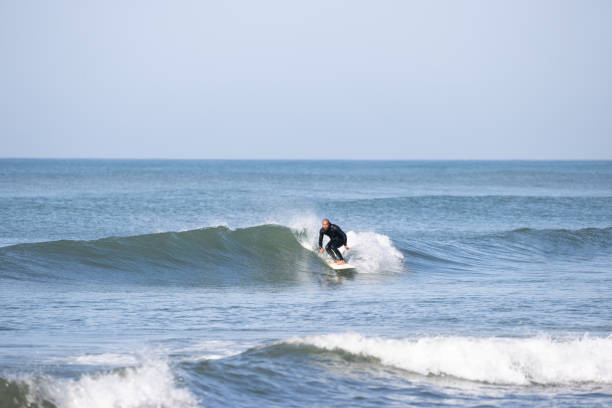
Give it some juice! Shortboards thrive in good, chest-high-plus waves with some push and a defined pocket. They need a wave with enough power to generate speed for turns. While you can ride a shorty in small stuff (if it’s a groveler shape), they truly come alive in hollow, barreling waves or clean, peeling walls where you can unleash your full repertoire of carves and snaps.

Do these boards help with progressing my surfing?

For sure! They build fundamental skills that high-performance boards can sometimes mask. With more foam and stability, you learn to set a line, generate speed from your turns (not just the wave), and work on your style. They force you to surf the wave, not just the board. The confidence boost from catching more waves and having longer rides is huge. Skills you learn on a fun shape translate directly to every other board in your quiver.

Is a PU board just for old-school loggers now?

Not even close, dude! While they’re the heart of classic longboarding, PU/PE construction is still the standard for high-performance shortboards. Many pros stick with it because that specific foam and resin combo offers a unique flex pattern and a certain “live” feel underfoot that many say drives harder through turns. It’s a preference thing. If you want that proven, springy drive from your bottom turns and critical snaps, a well-shaped PU board is often the weapon of choice.

Surf Lingo Explained

Why is it crucial to know how your leash works?

Your leash is your lifeline to your board, which is your biggest flotation device. Knowing how to quickly grab and reel it in after a pounding can get you to the surface faster and save energy. Check the cuff and velcro regularly for wear—a snapped leash in a big swell is a serious situation. Understanding its length also helps you gauge your “wipeout radius” from your stick. It’s simple gear, but treating it right is a major safety fundamental.

What’s the secret to nailing a proper cutback?

Timing and looking where you want to go. You initiate the turn by looking back at the whitewater or the breaking part of the wave. Drive off your back foot, use your rails, and project your board around. The key is to complete the turn and regain your momentum down the line. A weak cutback where you lose all your speed is a bummer. Practice on shoulder-high walls to get the full arc.

What’s the one piece of gear I shouldn’t skimp on?

A good leash! A cheap, thin leash is a liability. It can snap, sending your board flying into others—a major safety hazard known as a “board missile.“ Invest in a solid, urethane-cord leash that matches your board’s length. It’s your connection to your equipment and a critical piece of safety gear for everyone in the water. While you’re at it, make sure the rail saver is properly attached to your board’s plug. Trust us, swimming in after a lost board is no fun.