The Stoke is Real: What It Means to Live the Surfing Life

Forget what you’ve seen in the movies. The surfing life isn’t just about sun-bleached hair and saying “cowabunga.“ It’s a deep, daily rhythm, a pull as constant as the tide. It’s about aligning your entire existence with the pulse of the ocean. This is the ultimate chase, a quest for that feeling—the stoke—that comes from a perfect drop, a clean barrel, or even just a morning glide on a mushy day. It’s about living for the saltwater in your veins.

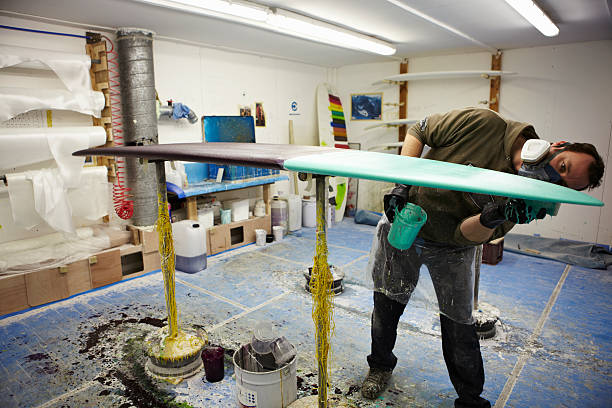
It starts in the dark. The true surfer is up before the dawn patrol, checking the cams, reading the swell charts like a sacred text. You’re not just looking for waves; you’re analyzing the wind direction, the tide swing, the period of the swell. Is it a groundswell offering clean lines, or a short-period wind chop? You’re making the call: log, shortboard, fish, or step-up? The equipment is an extension of the mission, each board a tool for specific conditions. This isn’t just gear; it’s your sled, your stick, your magic carpet for the session ahead.

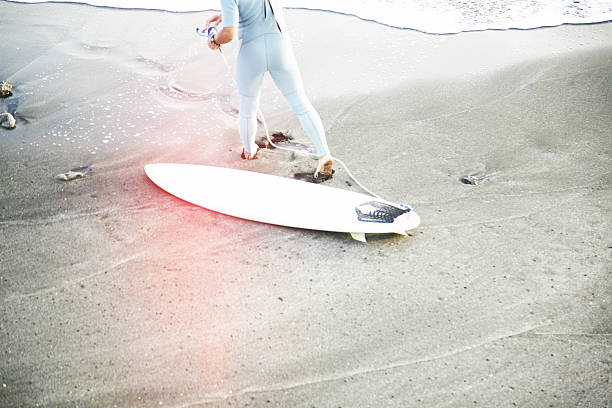
Then you paddle out. That moment you duck dive under the first set, the world on land melts away. All that exists is the horizon line, the rhythm of the sets, and the lineup hierarchy. You learn the language—not just “shredding” or “getting pitted,“ but understanding what a close-out is, why a wave is “sectioning,“ or how to spot a “peak.“ You learn etiquette: don’t drop in, don’t snake, respect the locals. The ocean is the great equalizer. It doesn’t care about your job title or your bank account. Out there, you earn your waves.

The lifestyle is built around this. Your schedule bends to the swell. Your travel plans are dictated by seasonal charts—chasing the sun and the swell from Indonesia’s dry season to the winter power of the North Shore. You dream of point breaks that reel for hundreds of yards and secret spots that only work on a specific tide with a rare south swell. It’s a life of chasing that endless summer feeling, where the water is warm, the winds are offshore, and the waves are consistently fun.

But it’s not all tropical perfection. It’s also dawn sessions in a 4/3 wetsuit, your face numb from the cold, paddling against a relentless current. It’s getting worked, held down for what feels like a two-wave set, coming up gasping. It’s flat spells that last for weeks, where you just stare at the ocean, willing it to show some life. This is the grind. And it makes those perfect days all the sweeter.

Back on land, the stoke lingers. You feel that pleasant exhaustion in your shoulders. You find sand in your car, your bed, your pockets—months later. Your conversations circle back to that one insane barrel or the close-out you somehow made. You connect with others who get it, who understand the obsession without needing it explained. It’s a tribe bound by saltwater.

In the end, the surfing life is a simple equation. It’s about trading comfort for feeling alive. It’s about prioritizing moments of pure, unadulterated joy found in the energy of a moving wave. It’s a commitment to the search, to the paddle, to the glide. It’s messy, exhausting, frustrating, and absolutely, utterly addictive. Because once you’ve felt that connection, that ride, that stoke… there’s no going back. You’re in, for life.
Related Posts

Live Surf Cams

Surfline Live is a 24/7 glimpse into the world’s surf.

This stream moves through Surfline's global camera network, showing spots where it’s daylight and rated Fair or better.

What's The Deal With...?

Surf Lingo Explained

What’s the one piece of gear I shouldn’t skimp on?

A good leash! A cheap, thin leash is a liability. It can snap, sending your board flying into others—a major safety hazard known as a “board missile.“ Invest in a solid, urethane-cord leash that matches your board’s length. It’s your connection to your equipment and a critical piece of safety gear for everyone in the water. While you’re at it, make sure the rail saver is properly attached to your board’s plug. Trust us, swimming in after a lost board is no fun.

What’s the best way to progress from a soft-top to a proper shortboard?

Don’t rush it! Transition through a funboard or a fish first. These boards offer more volume and stability than a high-performance shorty, helping you learn to generate your own speed. Focus on your rail turns and trimming before you try radical snaps. A groveler shortboard is a great next step—it’ll work in smaller surf and help you get used to that potato chip feel without being a total plank.

How do I balance pushing my limits with staying safe in the water?

Listen to that little voice—if something feels off, it probably is. Know your absolute limits and respect them; there’s no shame in sitting on the beach. Always warm up, check the conditions thoroughly, and never paddle out alone in heavy stuff. Pushing limits is about incremental steps, not reckless leaps. A calculated risk on a slightly bigger day with your crew is progression; paddling out in double-overhead chaos without the skills is just dangerous. Live to surf another day, always.

Surf Icons & Heroes

How does she inspire the surfing community today?

Bethany inspires by just being in the lineup, charging. She’s a living reminder that stoke and spirit trump any limitation. Through her foundation, “Friends of Bethany,“ she supports shark attack survivors and amputees, sharing the healing power of the ocean. She’s a pro surfer, a mom, and a big-wave charger, showing that a balanced, soulful life is the ultimate victory. She inspires not through words, but through action—by constantly paddling out, seeking barrels, and sharing her pure love for the salt life.

Which iconic surf break is he most associated with?

While he charged waves worldwide, Shaun Tomson is forever linked to Jeffreys Bay in South Africa. His mastery of its long, fast, barreling walls was legendary. He won contests there and showcased a deep, intuitive understanding of its many sections—from Boneyards to Supertubes. His performances at J-Bay in the late 70s and early 80s are etched into surf history, defining how to surf a point break with both flow and explosive power in the tube.

What’s the story behind Tom Curren’s famous board, “The Red Board”?

That 6’1” red thruster is legendary, man! Shaped by Al Merrick, it was the magic stick Tom rode to his second world title in 1990. It wasn’t about a crazy new design; it was about the perfect synergy between surfer and equipment. The board exemplified the Channel Islands’ performance revolution—responsive, balanced, and built for carving. It became a symbol of that era, representing a pinnacle of high-performance surfing where the board became a true extension of the rider.