The Surfer's Diet: Fueling the Stoke
Live Surf Cams

Surfline Live is a 24/7 glimpse into the world’s surf.

This stream moves through Surfline's global camera network, showing spots where it’s daylight and rated Fair or better.

What's The Deal With...?

Legendary Surf Spots

What makes Los Cerritos a good wave for beginners?

Dude, it’s a total learner’s paradise! This long, sandy-bottom point break peels gently for what feels like forever. The mellow rollers give you plenty of time to pop up and practice your stance without getting pounded. The bottom is soft sand, so wiping out is no biggie. Plus, the consistent swell and friendly vibe in the lineup make it the perfect spot to get your feet wet and log those first glorious rides. It’s a forgiving wave that builds confidence fast.

What’s the best time of year to score good waves?

The prime season is during the dry season, from April to October. This is when the SE trades are pumping, creating those perfect offshore conditions, and consistent SW swells light up the reefs. The peak months are usually June through September, offering the most size and reliability. If you’re after smaller, more manageable conditions, the shoulder months can be epic. The wet season (Nov-Mar) brings onshores and is generally not the call for a surf mission.

When is the prime time to score good waves there?

Summer and early fall are magic. Southern Hemisphere swells light it up, and the prevailing offshore winds (the famous “Malibu airflow”) kick in in the afternoon, grooming the surface to glassy perfection. Swell direction is crucial; you want a solid south or southwest swell to wrap into the cove. Winter can have its days with west swells, but it’s less consistent. Honestly, a sunny summer afternoon with a south swell is the iconic Malibu experience.

Surf Technique Deep Dive

Why does my board feel like it’s sliding out?

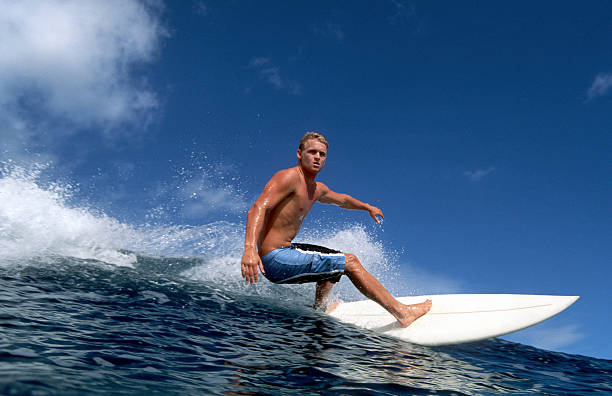
Classic! You’re probably too flat-footed or leaning on your inside rail. The bottom turn is all about rail engagement. You need to press firmly on your back foot and engage your outside rail—the one facing the wave face. Think of carving with a knife; you need that edge to bite. Also, check your speed; if you’re going too slow, the fins won’t grip. Make sure you’re generating enough momentum from your drop to power through the turn.

Which board is best for learning airs?

You’ll want a modern, high-performance shortboard. Look for a lightweight epoxy construction with a lot of rocker (curve from nose to tail) to help get you up and over the lip. A pulled-in, narrow tail—like a squash or round—gives you snappy release. Keep it relatively small and thin for maximum responsiveness. While you can try on a fish or a mini-mal, a true performance stick is the tool for the job.

Any tips for handling the inevitable wipeouts in the tube?

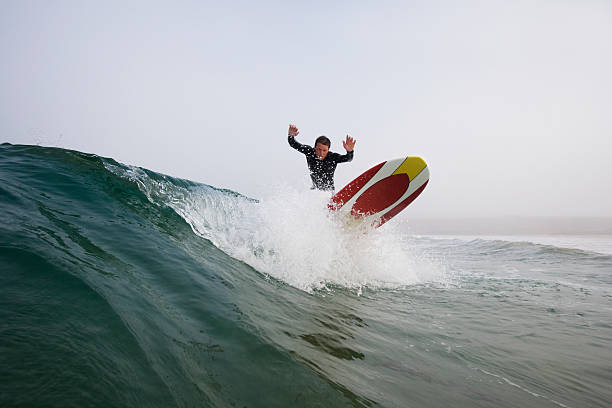
Oh, you’re gonna get worked. It’s part of the deal. The key is to relax. Don’t fight it. Go with the turbulence, and cover your head with your arms. If you feel the spin, try to figure out which way is up and swim in that direction. A good breath-hold practice out of the water helps. Always know your limits and surf within them. Getting pounded on shallow reef is a whole different story than a deep sandbar. Respect the spot and you’ll live to surf another day.