The Art of Surfing: More Than Just Standing Up

Let’s cut to the chase. The art of surfing isn’t something you find in a museum; it’s written in saltwater and felt in your bones. It’s the silent conversation between you, your board, and a moving wall of ocean. Forget the glossy magazine shots for a second. This is about the real deal—the daily grind, the stoke, the occasional beating, and the pursuit of that perfect feeling. It’s the core of the surfing life.

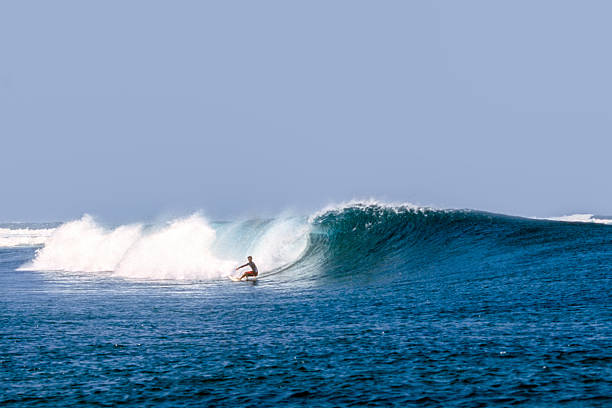
At its heart, surfing is deceptively simple. Paddle out, catch a wave, stand up, ride it in. But anyone who’s ever tried knows that’s like saying music is just blowing air through a tube. The true art begins with reading the ocean. You’re not just looking for waves; you’re studying the lineup, watching the sets roll in, checking the lulls, and identifying the peak. You’re learning the language of the sea—how the wind, tide, and swell direction are all talking to each other. This is Ocean Literacy 101, and there’s no final exam, just a lifetime of pop quizzes.

Then comes the paddle out. This is where you earn your turns. It’s a grind, a battle against the whitewater, a duck dive under a set that wants to send you back to the beach. There’s no art in being a kook who gives up after three waves on the head. The art is in persistence, in finding that rhythm where your arms become pistons and you slip through the impact zone like you belong there.

The takeoff is the moment of truth. It’s not a frantic jump to your feet. It’s a committed drop into a moving slope, a physics problem you solve with instinct. You pop up in one fluid motion—back foot finding the tail, front foot steering the ship. Hesitate, and you’re eating foam. Commit, and you’re in. From there, the canvas is the wave face. A bottom turn isn’t just a change of direction; it’s loading the spring. It’s setting your rail and compressing your body to generate speed for what comes next. A cutback isn’t just a fancy turn; it’s a way to reconnect with the power source of the wave, to stall and reposition, to draw a big, sweeping arc back toward the pocket. This is where style is born. Not from forced maneuvers, but from efficiency and flow. It’s the difference between hacking at a wave and dancing with it.

But let’s be real. The art of surfing isn’t confined to those few seconds of glide. It’s the whole lifestyle, the endless summer chase. It’s the dawn patrol mission, waking up while the world sleeps to score empty waves with your crew. It’s the feeling of salt in your hair for days on end. It’s knowing the difference between a thruster and a twinny, and why you’d ride one over the other. It’s the road trips, the scored swells, the flat spells spent waxing your stick or just shooting the breeze in the parking lot.

It’s about respect. For the locals, for the hierarchy in the water, for the power of the ocean that can humble you in a heartbeat. It’s about the shared nod with a stranger after a good wave, a silent understanding that you both just tapped into something pure.

So the art of surfing? It’s not about being the best. It’s about the pursuit. It’s the constant learning, the connection to nature, and the simple, profound joy of harnessing a bit of moving energy for a ride back to shore. It’s a lifelong practice, and the only masterpiece is the feeling you take with you when you finally kick out and paddle back for more. That’s the art. That’s the life. Now go get wet.
Related Posts

Live Surf Cams

Surfline Live is a 24/7 glimpse into the world’s surf.

This stream moves through Surfline's global camera network, showing spots where it’s daylight and rated Fair or better.

What's The Deal With...?

Surf Lifestyle & Travel

What gear is essential besides my board?

Sun protection is non-negotiable—strong sunscreen, a hat, and a quality rashguard or springsuit. Booties can be handy for rocky entries. Bring a comprehensive repair kit: Solarez, duct tape, and extra fins/keys. For the journey, have a GPS or offline maps, a satellite communicator for emergencies, and a sturdy cooler. A good camera is a plus to capture the empty lineups. And don’t forget a jug of fresh water to rinse off after your session.

How do I handle the local lineup etiquette in Costa Rica?

Respect is key, just like anywhere. The vibe is generally pura vida, but lineups can get crowded. Don’t be a snake or a wave hog. Wait your turn, especially at point breaks. A friendly “Hola!“ goes a long way. Support the local economy—hire a local guide if you’re unsure, it’s worth it for the knowledge and respect. Most locals are super mellow, but they’ve earned their spot. Don’t drop in, apologize if you do, and just share the stoke. It’s not a competition, it’s a community.

What’s the local surf culture like in Baja?

The vibe is super friendly but mellow. In established towns like Todos Santos or Ensenada, you’ll find a mix of local and expat crews who are generally welcoming if you show respect. In remote areas, you might not see another soul. The rule is simple: be cool, don’t drop in, and support the local economy—eat at the taco stands, buy supplies locally. The culture is less about performance and more about the pure stoke of finding waves in a beautiful, harsh landscape.

Legendary Surf Spots

What makes J-Bay such a legendary wave?

It’s all about that perfect, freight-training right-hander. Supertubes serves up one of the most mechanical and rippable walls on the planet. When it’s on, you get a long, fast, barreling ride that can connect multiple sections for a ride of over 300 meters. The wave just has this flawless, dream-like shape that allows for high-performance carving and deep tube time. It’s the wave every goofy-footer fantasizes about and a regular-footer’s ultimate canvas. Simply put, it’s a surfing mecca.

What’s the vibe like in the J-Bay lineup?

It’s a mix of pure stoke and intense localism. This is a world-class wave, so you’ve got pros, frothing pilgrims, and dedicated locals all battling for set waves. Respect is everything. Don’t just paddle straight to the peak. Observe, wait your turn, and don’t snake anyone. The locals have put in their time and know this wave intimately. Show humility, don’t drop in, and you’re more likely to get the nod for a gem. It’s a heavy pecking order, but sharing a perfect runner with everyone hooting is pure magic.

What makes Los Cerritos a good wave for beginners?

Dude, it’s a total learner’s paradise! This long, sandy-bottom point break peels gently for what feels like forever. The mellow rollers give you plenty of time to pop up and practice your stance without getting pounded. The bottom is soft sand, so wiping out is no biggie. Plus, the consistent swell and friendly vibe in the lineup make it the perfect spot to get your feet wet and log those first glorious rides. It’s a forgiving wave that builds confidence fast.