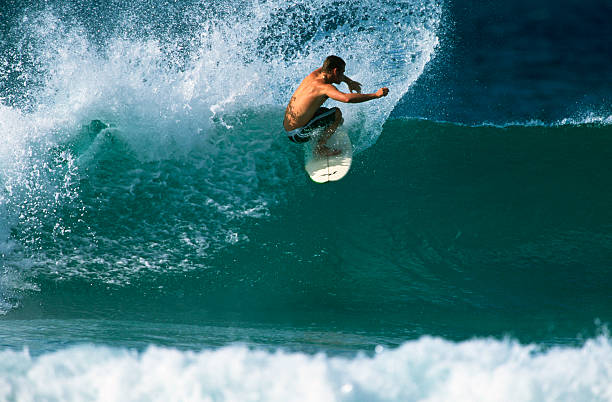
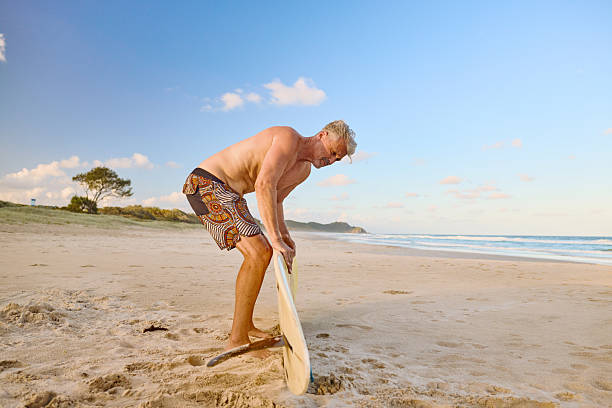
Every surfer knows the feeling of paddling out on a glassy dawn patrol with a belly that’s either too full to duck dive or too empty to catch a single wave. The sea has her own clock, that set of lunar and swell rhythms you learn to read after enough seasons, but your body has one too, and it’s just as finicky. If you’re truly chasing the endless summer, you gotta start treating your insides like they’re part of the same tide cycle that makes the points light up. This isn’t about complicated meal plans or counting out grams of protein like some gym rat. It’s about syncing your fuel to the rhythm of the ocean, eating with the sun, and letting your gut be your guide to staying stoked from first light to last set.
The classic surfer mistake is thinking you can just down a heavy breakfast forty minutes before the paddle out. That’s a good way to be churning through a churning shore break, feeling that burrito rise up on the drop. Your digestion runs on a primal clock, the same circadian rhythm that tells you when to sleep and when to wake. When the sun comes up, your gut is just waking too. It’s not ready for a full spread of eggs, bacon, and toast. It’s asking for something that greases the gears, not clogs them. Warm water with a squeeze of lemon or a piece of fruit that’s ripe enough to smell the tree on it gets things moving without bogging you down. The old-school Hawaiian watermen used to eat a little poi and sip coconut water before a big session. Light, alkaline, and full of that electric life force. That’s the dawn patrol fuel. You want to be sharp, not stuffed.
As the day cranks up, your energy needs shift just like the tide pulling out towards a deepwater reef. If you’re surfing multiple sessions, the midday meal is about rebuilding without putting a diver’s weight belt on your waist. This is where the ocean teaches you a lesson about balance. Too much salt from processed foods and you’ll bloat, making every paddle feel like you’re towing a boat anchor. Not enough mineral-rich greens and your muscles will cramp on the fifth wave of the heat. The best surfers I know, the ones who are still ripping into their seventies out at Makaha, don’t count macros. They eat from the reef and the shore. Fish that was swimming that morning, seaweed salad that tastes like the tidepools, and sweet potato cooked in the coals of a beach fire. It’s simple food that doesn’t make your body work too hard to turn it into pure, clean energy. You want to be digesting your meal while you’re lying on your board, not while you’re trying to generate speed under a pitching lip.
The sunset glass-off is the soul of the surfing life, and that’s when your gut rhythm really shines. After a day of paddling, your body is depleted of the good stuff. Glycogen stores are low, your nervous system is fried from the constant fight or flight of paddling for bombs, and you’re probably a little dehydrated even if you think you drank enough. The sunset meal shouldn’t be a race to the bottom of a pizza box. It should be a thank you to your body for carrying you through the day. This is the time for big, grounding foods. Root vegetables with healthy fat, a big piece of wild fish, or a bowl of beans and rice that tastes like the earth you stand on when you’re watching for the next set. Eating heavy carbs late at night messes with your sleep quality, and bad sleep means a groggy dawn patrol the next day. The rhythm is clear. Light and fast in the morning, mineral and protein in the middle, grounding and slow in the evening. That’s how you train your gut to be your best paddle partner.
Learning to read your own body’s tide chart takes a few wipeouts. Some days you’ll eat the wrong thing and feel like a kook out there, all sloppy and weak. Other days you’ll hit the perfect meal and feel like you’re catching everything, your arms pulling with that phantom power that feels like the wave is doing the work for you. The surfer’s diet isn’t a rulebook written by some doctor in an office. It’s a conversation between you and the ocean. The best fuel is the one that disappears completely into your soul and leaves your body empty enough to feel the water, full enough to hold the stoke. Ride your own tide, eat your own wave, and let your gut find the rhythm that keeps you paddling back out for just one more.