Safety First: Avoiding the Wipeout
Live Surf Cams

Surfline Live is a 24/7 glimpse into the world’s surf.

This stream moves through Surfline’s global camera network, showing spots where it’s daylight and rated Fair or better.

What’s The Deal With…?

Mastering the Waves

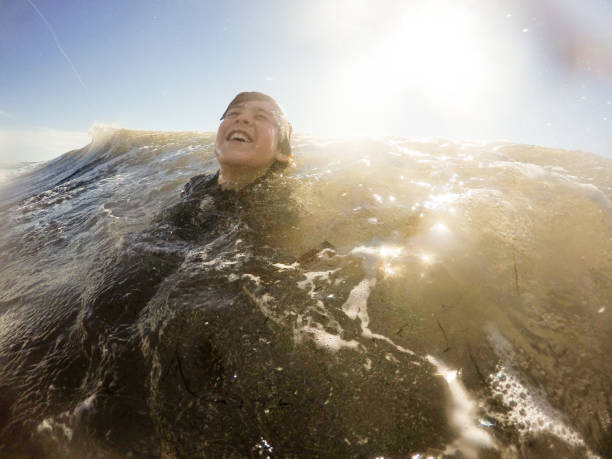
Panic is your real enemy. When you get worked, relax during the first plunge. The ocean will push you up; don’t fight it and waste oxygen. Cover your head with your arms as you surface to protect from your board. Take one quick breath before the next wave hits, then tuck up and go with the turbulence again. Trust that your buoyancy will bring you up. Staying calm is everything.

Beyond your board and leash, a good surf helmet is crucial for reef or rocky breaks. Surf-specific earplugs prevent exostosis (“surfer’s ear”). A high-visibility board or bright wetsuit helps others see you in the lineup. For dawn patrol or cloudy days, a light-up ankle strap is a game-changer. And always, always use reef-safe sunscreen. Protecting your body means more days in the brine.

The golden rule is simple: the surfer closest to the peak has right of way. Dropping in on someone’s wave is the ultimate kook move and causes collisions. Always look both ways before you take off, like checking for traffic. Respect this rule, and you’ll earn respect in the water. It’s not just about courtesy; it’s about preventing nasty wipeouts for everyone involved. Paddle wide of the peak if someone’s already on it. Your wave will come, brah.

Mastering the Waves

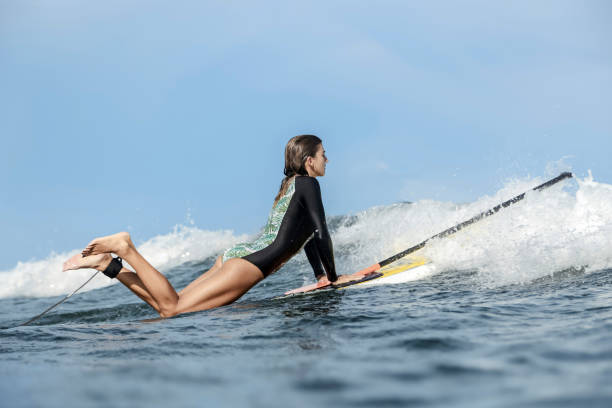
Surfing is exhausting, and a tired surfer is a dangerous surfer. You need paddle power to get out back and to get out of the way of a set wave. Strong swimming skills are essential for when your leash snaps. Good breath-hold capacity helps you stay calm during hold-downs. Building your cardio and core strength isn’t just for performance; it’s your tank of gas for getting yourself out of sticky situations.

Localism is about respect for those who surf a break daily. Don’t paddle straight to the peak and snag every set wave. Start on the shoulder, take the leftovers, and wait your turn. A friendly nod goes a long way. If you get called off a wave or given some stink-eye, apologize and paddle wide. Aggression in the water leads to bad vibes and worse accidents. Show humility, earn your waves.

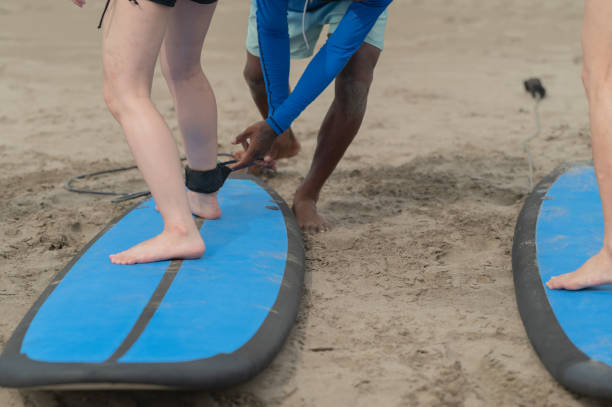
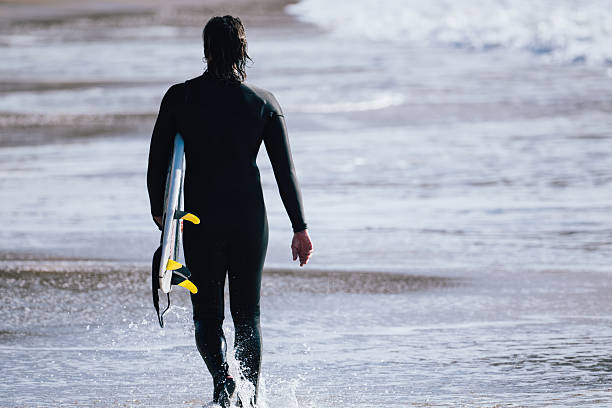
Your board is a 7-foot projectile. Always maintain control, especially when paddling out. If you bail, cover your head and grab your board—don’t let it fly. Use a leash that’s the right length for your stick. When ditching your board in whitewater, look behind you first. A loose log can seriously injure the grom or uncle behind you. Board awareness is key to a chill session where everyone goes home with all their teeth.