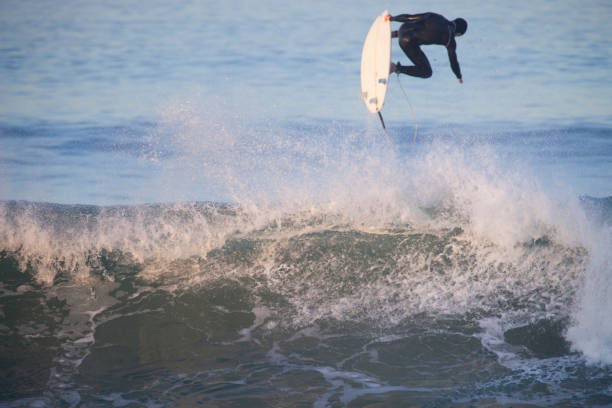
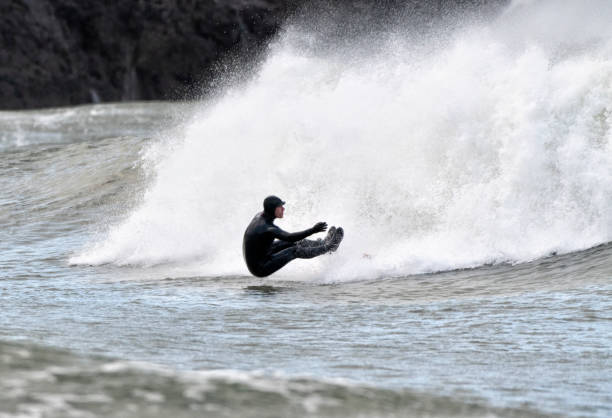
There’s a moment every surfer knows too well. You’re sitting on your board just inside the impact zone, heart thumping like a reggae bassline, watching the horizon for the next wave. Your arms are noodles. Your lungs are burning from the last duck dive. And then you see it - a dark line that swells into a wall of water with your name on it. That’s when the wipeout finds you. But here’s the thing, my friend: most wipeouts aren’t random acts of ocean rage. They’re the result of bad timing. The wave itself isn’t the enemy. The enemy is you being in the wrong place at the wrong moment, with zero juice left in the tank to handle what’s coming. So let’s talk about the lull - that sweet, deceptive pause between wave sets - and how learning to read it can keep you from getting rag-dolled into tomorrow.
The ocean doesn’t pump out waves like a machine. It breathes in cycles. You get a set of three, maybe five or six waves, each one stacking up on the last, and then the water goes flat for a bit. That flat spell is the lull. For the beginner, it looks like the perfect time to hustle from the shore out to the lineup. And it can be - if you know how long that lull is gonna last. The ocean is a creature of habit, but it ain’t a predictable one. Every break has its own rhythm. Some spots, the lull runs a tight four minutes. Others, you might sit there for ten, wondering if the swell took a coffee break. The key is to sit on the sand before you paddle out and just watch. Count the seconds between sets. Notice where the waves break, how far they jack up, and where the channel sits. That pre-surf recon is the cheapest insurance you’ll ever buy. Because if you paddle out blind, you’re gambling. And the house always wins.
Once you’re in the water, the lull becomes your golden ticket. You want to be moving through the impact zone when those waves are small and far between. That means paddling like your life depends on it the second the last wave of a set rolls through. Go hard. Go fast. Stroke until your arms feel like lead pipes, because the next set might show up sooner than you think. And here’s the trick that separates the wise from the wiped: you don’t just paddle straight out. You read the bumps. The surface of the ocean is like a newspaper full of stories. A rising lump out there means a set is loading. A wobble on the horizon that gets darker as it approaches? That’s a wave with bad intentions. When you spot that, you either hightail it outside before it reaches the break zone, or you flip your board and duck dive with every ounce of strength you’ve got. The lull gives you the chance, but you’ve got to use it wisely.
Now, here’s the part that catches a lot of surfers off guard. The lull doesn’t mean the ocean is asleep. It’s just catching its breath. Even in the flat spells, there are sneaker sets - those rogue waves that show up out of nowhere, twice as big as anything before. They’re the ocean’s prank, and they’ve sent many a surfer scrambling. So when you’re paddling through that lull, never assume you’re safe. Keep your eyes on that horizon like it’s holding a secret. Look for the shadow, the bump, the change in texture. And always leave a little energy in reserve. If you burn all your gas just getting to the lineup, you’ll have nothing left when that sneaker set arrives. You’ll be too tired to duck dive, too slow to paddle over, and you’ll eat a pile of whitewater that rearranges your brain.
The lull is your friend, but only if you respect it. It’s not a guarantee of safety; it’s an opportunity. Use it to position yourself outside the impact zone, where the waves are just rolling swells instead of exploding lumps. Use it to catch your breath, to look around, to figure out where the currents are pushing. Rip currents love the lull too. They use the calm water to pull you sideways without you noticing. So check the foam, check the sandbars, feel the water under your board. If you’re moving left when you’re trying to go straight, that’s a rip talking to you. The lull is when you hear it clearest.
Ultimately, avoiding the wipeout isn’t about being fearless. It’s about being smart. It’s about understanding that the ocean is always chatting, and the lull is one of its most important sentences. Learn to read it, learn to time it, and you’ll paddle out with a calm mind and a steady stroke. You’ll still get tossed occasionally - that’s part of the stoke - but you’ll bounce back with a smile instead of a mouthful of sand. So next time you’re on the beach, watch the sets. Count the lull. Let the ocean teach you its rhythm. Then go catch a wave that’s actually yours.