Ripper: A Skilled Surfer

Live Surf Cams

Surfline Live is a 24/7 glimpse into the world’s surf.

This stream moves through Surfline’s global camera network, showing spots where it’s daylight and rated Fair or better.

What’s The Deal With…?

Surf Lingo Explained

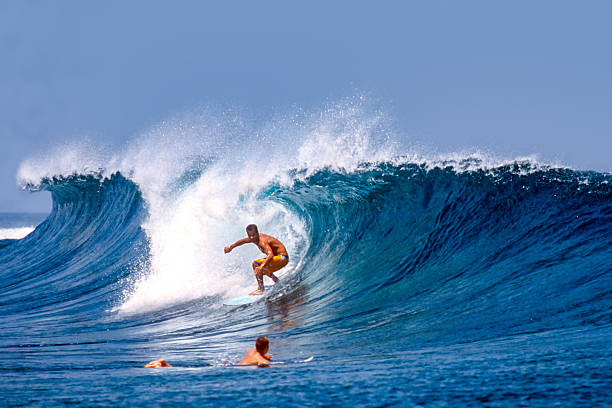
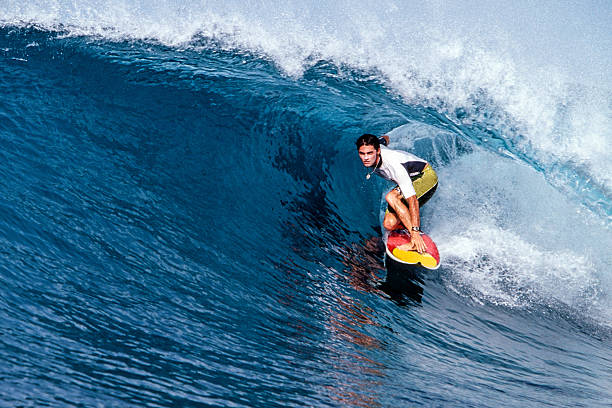
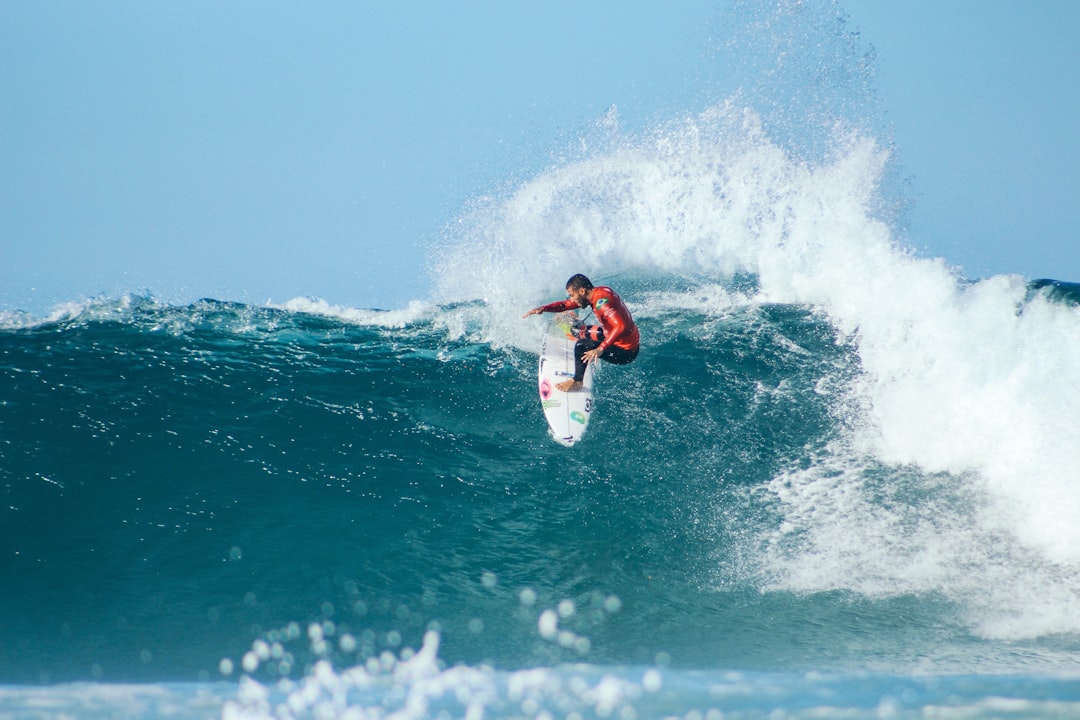
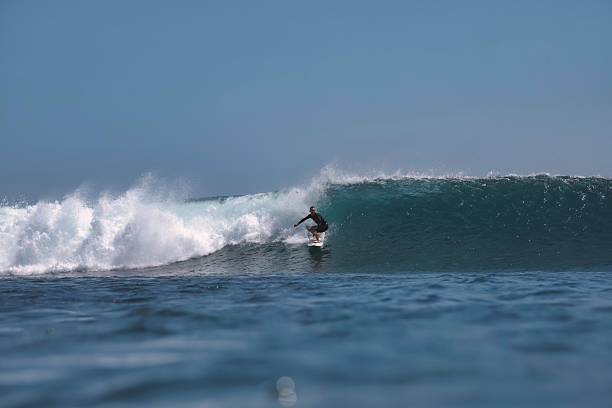
To link your turns like a legend, you need flow, not just random hacks at the lip. A powerful cutback starts with a solid bottom turn to generate speed and project you back toward the whitewater. Don’t just look at your board—rotate your head and shoulders to initiate the turn; your board will follow. The magic is in the rebound. As you complete the cutback, aim to hit the pocket of the wave with enough momentum to drive straight into your next bottom turn, setting you up for another section. Think of it as one continuous dance with the wave, not separate moves.

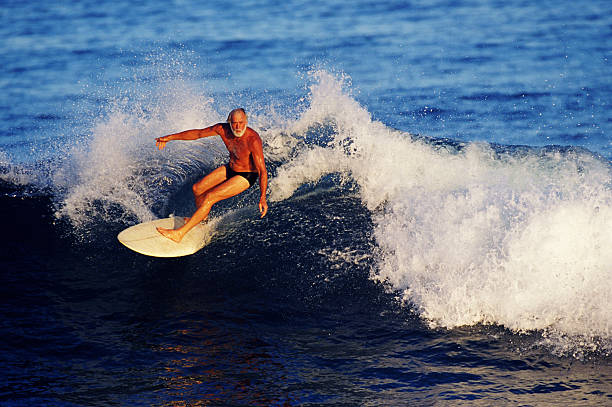
Because they make or break a session! An onshore wind chops up the face, making it messy. Offshore winds groom the wave, holding it up and making it barreling. Tides can completely change a break; some spots only work on a low tide, others on a high. Learning this stuff means you won’t waste a dawn patrol on a flat or blown-out day. It’s the difference between scoring and getting skunked.

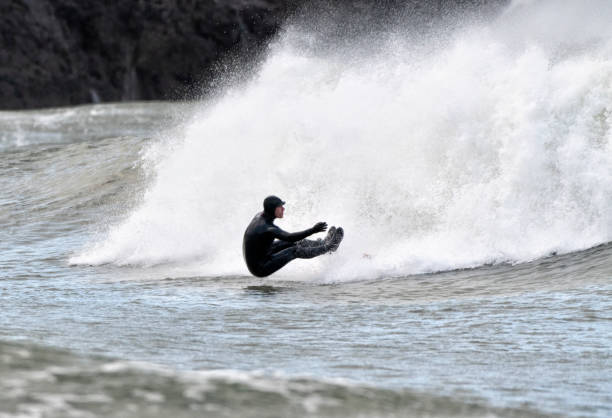
Respect. Pure and simple. Start small and work your way up gradually. Visualize your lines and breathe. Paddle with commitment—hesitation gets you hurt. Know your limits and don’t let ego push you into something you’re not ready for. It’s okay to watch from the channel. When you’re ready, having a few trusted buddies out there with you makes all the difference. It’s about calculated confidence, not blind charging.

Surf Lingo Explained

Don’t rush it! Transition through a funboard or a fish first. These boards offer more volume and stability than a high-performance shorty, helping you learn to generate your own speed. Focus on your rail turns and trimming before you try radical snaps. A groveler shortboard is a great next step—it’ll work in smaller surf and help you get used to that potato chip feel without being a total plank.

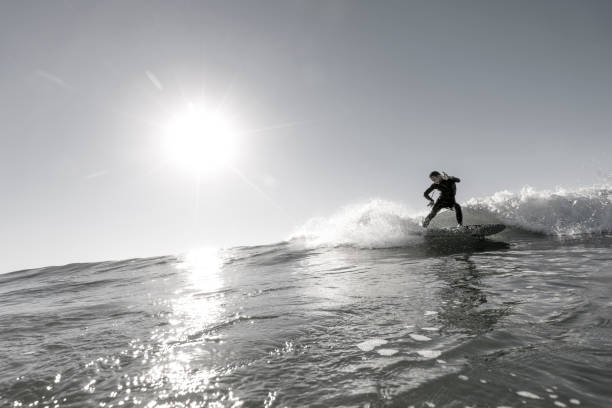
Timing and looking where you want to go. You initiate the turn by looking back at the whitewater or the breaking part of the wave. Drive off your back foot, use your rails, and project your board around. The key is to complete the turn and regain your momentum down the line. A weak cutback where you lose all your speed is a bummer. Practice on shoulder-high walls to get the full arc.

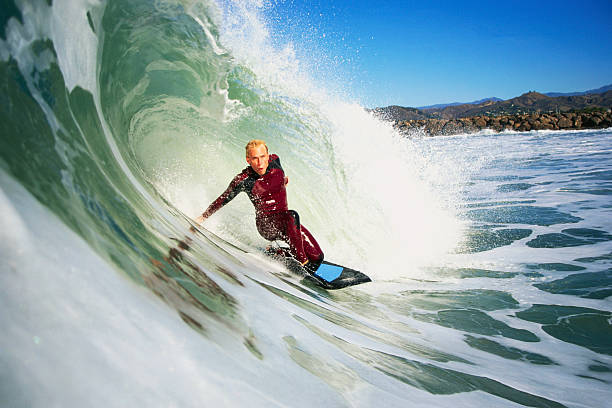
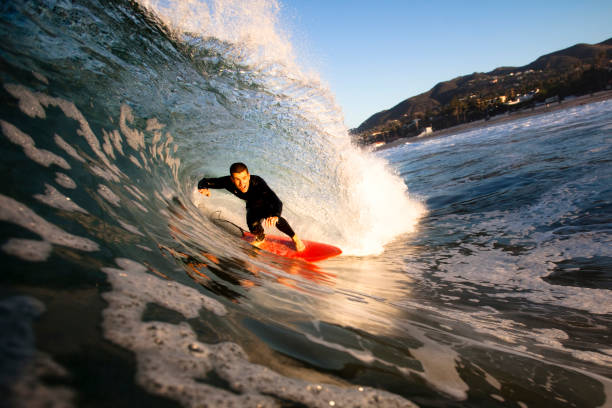
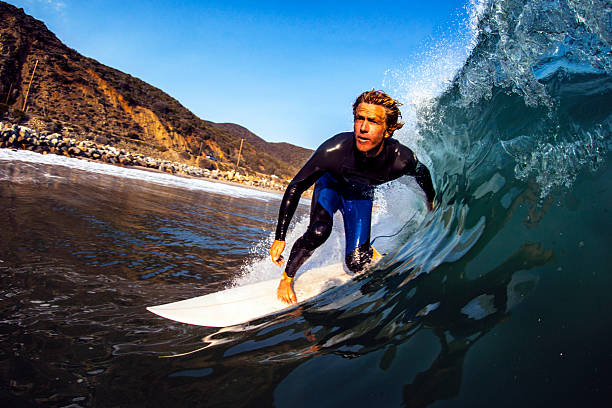
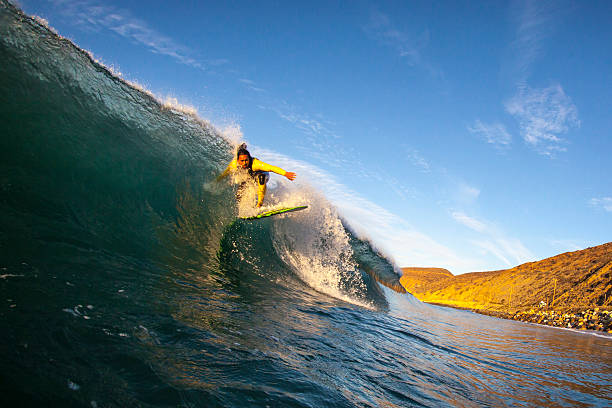
You gotta graduate to the green room, mate! The key is paddling out back and learning to catch an unbroken wave. Start on a mellow, rolling peak—not a steep, hollow beast. Focus on angling your take-off across the wall, not just straight toward the beach. This sets your line for a proper trim. Get comfortable shifting your weight from your front foot to your back foot to control your speed on the open face. It’s all about that first bottom turn to set up the rest of your ride. Practice makes permanent!