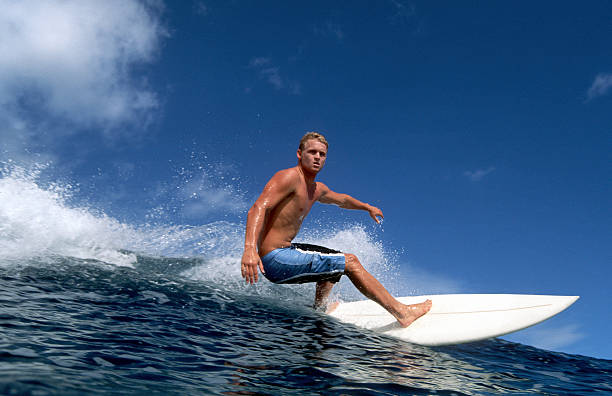
Every lineup has that one surfer who makes the rest of us feel like we’re paddling on cruise control while they’re riding a rocket. You know the type—the ripper. They drop in late, carve with a sharpness that seems to defy physics, and throw spray like they’re trying to paint the whole ocean. But being a ripper isn’t just about raw talent or a quiver of high-performance shortboards. It’s a whole mindset, a way of moving through the water that blends flow, risk, and a deep, almost unspoken respect for the wave. Let’s peel back the wetsuit on what really makes a ripper tick.
First off, flow. A ripper doesn’t fight the wave; they dance with it. That flow state is pure muscle memory—hours of repetition until every bottom turn, cutback, and air reverse feels as natural as breathing. When you watch a legit ripper at a place like Pipeline or Uluwatu, there’s no hesitation. Their body knows exactly when to shift weight, when to compress, when to lay into a rail. It’s not about thinking; it’s about being. The best rippers have this ability to read the ocean’s energy in real time, anticipating a section before it even bowls up. That flow comes from a combination of surf time, physical conditioning, and an almost meditative presence in the water. They’re not distracted by the crowd or the camera—they’re locked in.
Then comes the risk. Let’s be real: surfing like a ripper means taking chances. Some waves are meant to be ridden with caution, but a ripper sees a closeout section and thinks, “That’s where I’ll launch my biggest air.” They’ll paddle into a wave that’s twice as steep as their board length, knowing there’s a fifty-fifty chance of getting pounded into the reef. That willingness to eat sand, swallow water, and get worked is part of the deal. It’s not recklessness, though—it’s calculated risk. Every ripper has a library of wipeouts behind them, and each one taught them something: where to tuck, when to bail, how to hold their breath a little longer. The risk is a teacher, and the ripper is an eager student.
But here’s the part that often gets overlooked: respect. A true ripper has mad respect for the ocean, for the wave, and for the other surfers sharing the lineup. You don’t become a ripper by snake-dropping on everyone or burning locals in your home break. The old-school Hawaiian way—ho’ihi, or respect—is still the foundation. The best rippers acknowledge the hierarchy in the water: they let the older guys take the set waves, they give a nod after a good ride, and they never, ever drop in on someone who’s already committed. Respect also extends to the board under their feet. A ripper knows that a performance thruster isn’t a toy—it’s a tool that needs to be tuned, waxed, and maintained. They might thrash their equipment, but they’re also the ones who repair a ding before it becomes a crack.
The ripper’s journey usually starts in the grommet years, when every session is about mastering the basics. You see a grom who charges, who isn’t afraid to fall, who watches the older rippers like a hawk—that’s the seed. Over time, that seed grows into a style. Some rippers are all about power, driving through turns with a locomotive’s force. Others are more about finesse, using the wave’s energy to skate across the face. But whatever the style, the common thread is an unfiltered love for the ride. A ripper doesn’t surf to impress other people; they surf because the alternative—staying on land—feels like a waste of a good swell.
In today’s surf culture, the term “ripper” gets thrown around a little too loosely. Everyone with a GoPro and a couple of half-decent snaps wants that label. But real rippers know the word carries weight. It means you’ve paid your dues, you’ve been humbled by the ocean, and you’ve earned the right to surf with abandon. It’s not about being the best in the world—it’s about being the best version of yourself in that moment, on that wave. So next time you see a surfer tearing a wave to shreds, don’t just watch the spray. Watch the calm before the drop, the way they breathe, the way they nod to the guy on the inside. That’s the ripper’s mindset: flow, risk, and respect, wrapped into one endless summer of stoke.