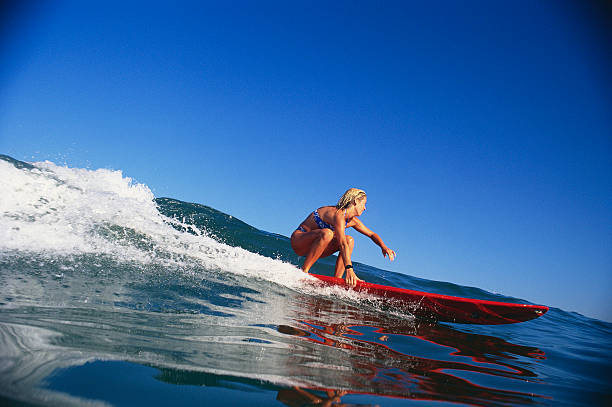
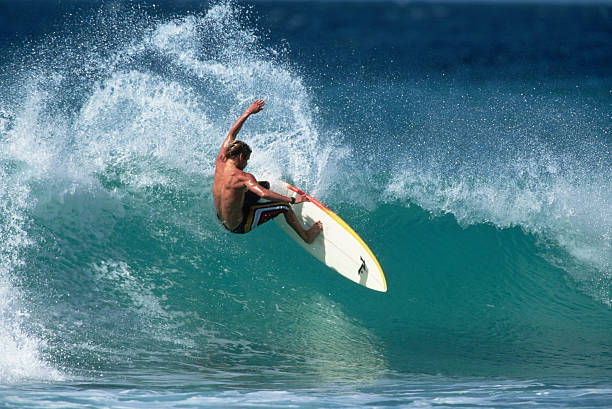
A ripper doesn’t just paddle out—they live for the horizon. Being called a ripper means you’ve got the skills to handle any lineup, from a mellow point break to a thumping reef that throws sand at your ankles. But what makes a true ripper isn’t just the ability to shred a wave; it’s the endless hunger to chase the kind of swell that leaves you breathless and grinning for days. That’s where surf travel comes in. For a ripper, the journey is as sacred as the wave itself, a rite of passage that echoes the spirit of The Endless Summer—two boards, a bag full of wax, and a map with more question marks than destinations.
You’ve seen those rippers at the local break—they’re the ones who drop in on a freight train of a set and make it look easy, carving turns that spray like a shattered mirror. But the real rippers, the ones who earn the title in the deepest sense, are the road warriors. They’ll hitch a ride on a fishing boat in Sumatra, sleep in a hammock strung between two palm trees on a remote Fijian island, or camp out in a clapped-out van along the Baja peninsula. They know that the macking waves don’t come to you; you go to them. And when you’re a ripper, the world becomes a series of swells—a pulse from an Antarctic storm that turns into a left-handed tube at some unnamed break, or a tropical depression that lines up perfectly on a sandbar north of nowhere.
The ripper’s odyssey is fueled by stoke and a deep respect for the ocean. It’s about reading the charts, understanding the bathymetry, and knowing which season brings the best wind for a glassy morning session. You’ll see them dawn patrolling before the sun even cracks the horizon, a cup of instant coffee in one hand and a 6’2” thruster under the other arm. They’ll paddle out into a lineup crowded with locals, earn their respect with a few clean takeoffs, and then share a shaka on the beach afterward. That’s the ripper way—humble in the water, hungry for the next swell.
But travel for a ripper isn’t just about big waves or perfect barrels. It’s about the moments in between: the taste of street food in a foreign port town, the sound of a reggae band drifting over the water at sunset, the way a stranger hands you a cold beer after you’ve just pulled into the wave of your life. It’s the connection you feel to surfers from different cultures who speak the same language of the sea. A ripper knows that the stoke is universal, whether you’re in Morocco, Indonesia, or somewhere off the coast of Chile that barely has a name on the map.
The equipment matters, too, but a ripper doesn’t get hung up on gear. Sure, they’ll have a quiver of boards shaped for different conditions—a step-up for the heavy stuff, a fish for the mushy days, a shortboard for the pocket. But the real trick is adapting to whatever the ocean throws at you. A ripper can surf a beat-up rental board with a busted fin and still make it sing. They know that the best shaper in the world is the ocean itself; all you need is the right attitude and a willingness to paddle hard.
Then there’s the chase of the sun. A ripper is always following the light, seeking the golden hours when the wind lays down and the waves turn from choppy chaos to rolling perfection. That’s the essence of the Endless Summer vibe—not just a movie, but a way of life. You pack your bag, grab your balsa or your epoxy, and you hit the road. You might end up in a place where the water is so clear you can see the reef beneath your board, or in a crowded break where every wave is a dance with ten other rippers. Either way, you’re in it for the ride.
The ripper’s code is simple: respect the locals, leave nothing but footprints, and always paddle back out for one more. The greatest rippers are the ones who travel not to conquer the waves, but to be humbled by them. They return home with salt in their hair, sunburnt shoulders, and stories that don’t need embellishment. They understand that the perfect wave isn’t a destination—it’s a state of mind that comes from the journey itself.
So next time you see a ripper dropping into a wave with effortless grace, remember that they didn’t just wake up that good. They spent years chasing swells, sleeping in strange beds, and tuning into the rhythm of the earth’s oceans. The odyssey made them a ripper. And if you’re lucky, maybe it’ll make you one, too.