Paddling Power: Catching More Waves
Live Surf Cams

Surfline Live is a 24/7 glimpse into the world’s surf.

This stream moves through Surfline’s global camera network, showing spots where it’s daylight and rated Fair or better.

What’s The Deal With…?

Surf Technique Deep Dive

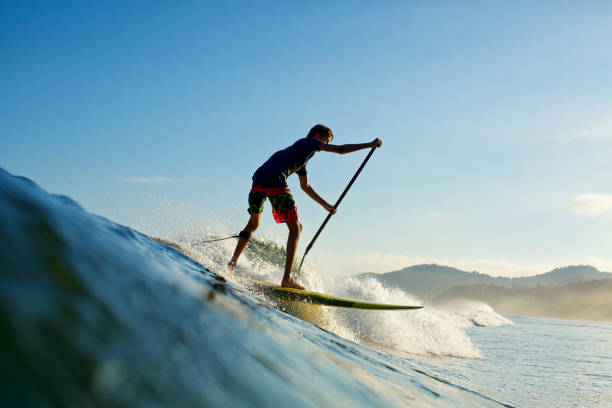
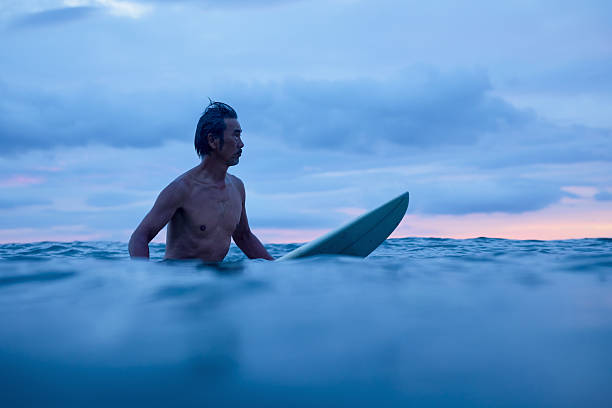
Dude, it’s all about consistency. Hit the pool for lap swimming, focusing on freestyle to mimic the motion. On land, pop-ups and burpees build explosive power. But nothing beats time in the brine. Paddle out even on small days, focusing on strong, deep strokes. Think “reach and dig.“ Your shoulders and back will scream at first, but they’ll get stoked on the strength. More paddle power equals more waves under your belt and less getting caught inside. It’s the ultimate ticket to longer, more rewarding sessions.

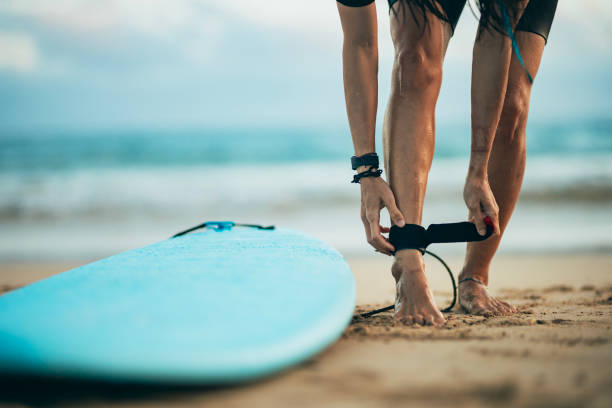
Stay calm, bro! The ocean is in charge. When you get pitched, cover your head with your arms as you go under. Try to relax and let the turbulence pass—fighting it burns oxygen. The leash will do its job. Once you feel the pull ease, swim to the surface, but protect your head with one arm in case your board is nearby. Come up ready to get back on and paddle, because the next wave might be right behind it. It’s all about breath control and staying mellow.

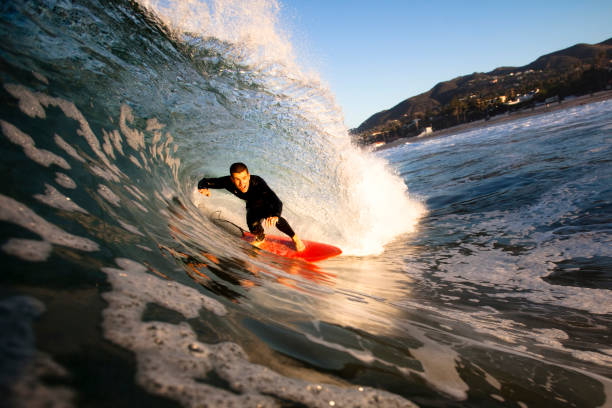
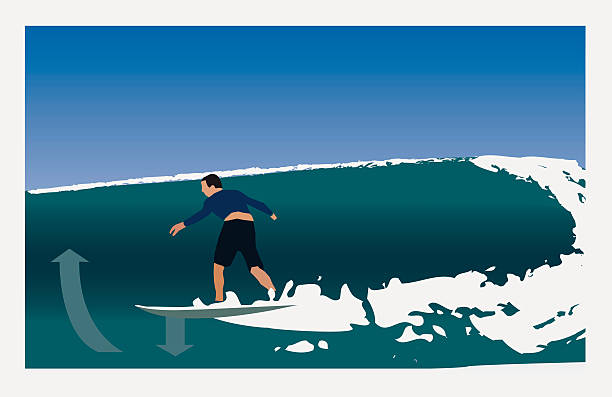
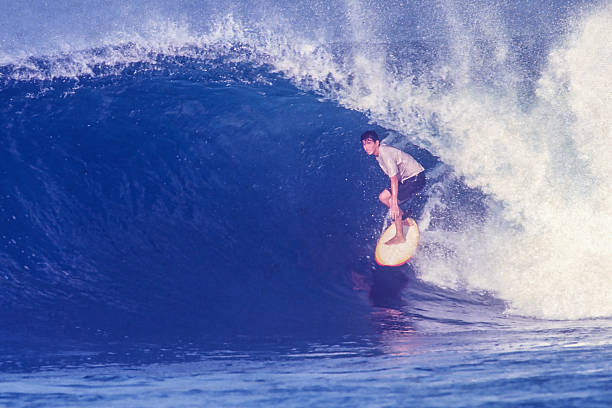
You gotta commit to the green room, bro! It’s a mental leap. Start by angling your takeoff. Don’t paddle straight toward the beach; point your nose slightly toward the shoulder as you feel the wave lift you. This helps you get into the face, not just straight down. Your pop-up needs to be one fluid motion into a slight crouch, ready to turn. Practice on smaller, peeling waves. The key is believing you can make it and not bailing at the last second. Once you feel that trim on the open face, you’ll be hooked for life.

Surf Technique Deep Dive

Treat it like a skatepark! Get a fish or a funboard for extra glide. Paddle for everything that has a ripple. Focus on generating speed from your very first bottom turn—pump down the line. Practice new maneuvers you’re too sketched to try on bigger waves: cutbacks, floaters, even little airs. Small days are for perfecting your flow and reading weak sections. Don’t just sit there waiting for the set of the day; be active, move around, and milk every bump. You’ll be surprised how much fun you can have.

A sluggish pop-up usually means your feet are searching for the board. Your hands are the culprit! Don’t push your chest up too high—it creates a wobbly bridge. Instead, think “explosive snap.“ As you feel the wave lift you, push your hands down into the deck and immediately spring your feet underneath you in one motion. Practice this on land every day. Tape an outline of your board on the floor and drill it. Muscle memory is key. A quick, clean pop-up means you’re riding, not pearling.

Respect the hierarchy, but use your eyes. The peak belongs to the surfer deepest or up and riding first. Don’t snake! Look for the less obvious waves—inside reform waves or ones swinging wide. Position is everything; if you’re not in the spot, let it go. Paddle wide of the main pack and wait your turn. Sometimes the best move is to let three waves go by, watch where others are, and then slide into the spot. It’s about patience and picking your moment, not just burning everyone.