Mastering Different Wave Types
Live Surf Cams

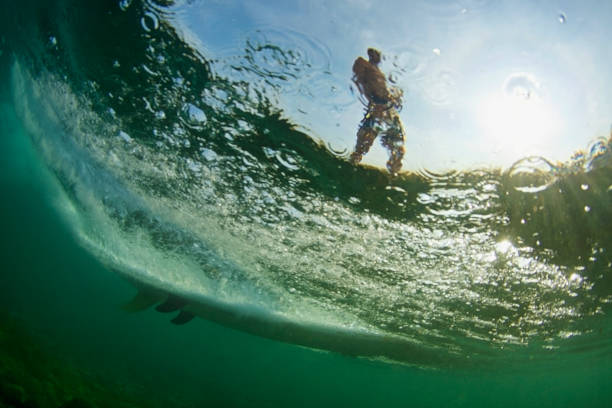
Surfline Live is a 24/7 glimpse into the world’s surf.

This stream moves through Surfline’s global camera network, showing spots where it’s daylight and rated Fair or better.

What’s The Deal With…?

Surf Technique Deep Dive

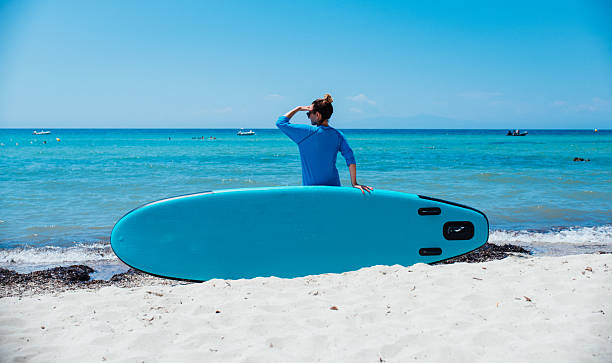
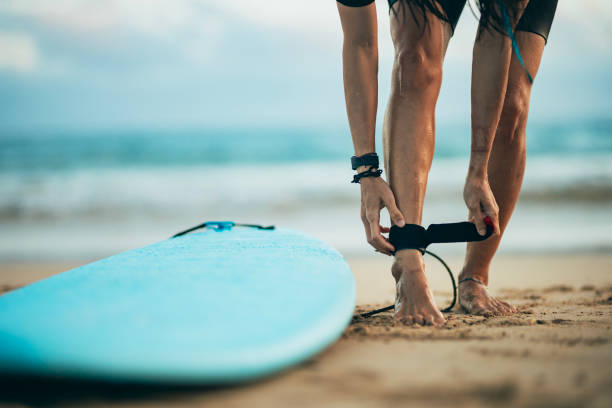
Pack a quiver! Don’t get caught with just one stick. Bring a good-wave shortboard, a small-wave board (like a fish or groveler), and maybe a step-up for bigger days. Don’t forget your essentials: multiple leash cords, wax, a ding repair kit, and your favorite fins. Research the spots you’re hitting to dial in your choices. Being prepared for anything means you’ll score, no matter what the ocean throws at you.

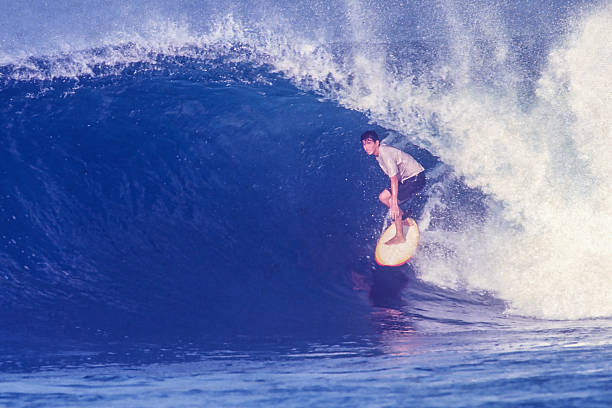
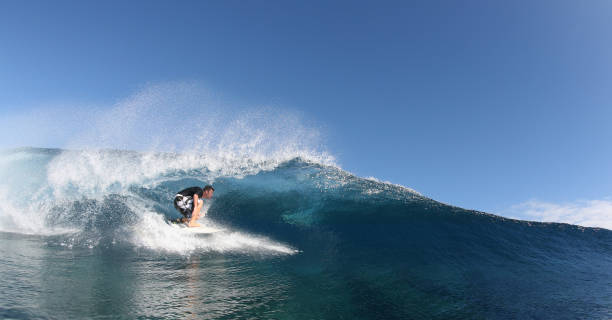
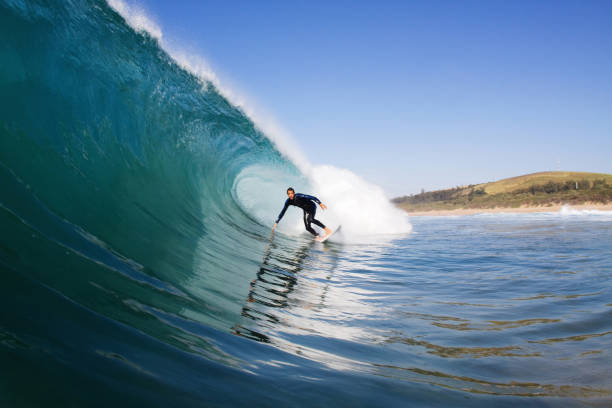
Heavy, hollow waves demand respect and commitment. You gotta be fit, confident, and have your duck dive dialed. The key is positioning: take off late and steep, aiming to get deep. Once you’re in, focus on projecting down the line with speed to outrun the pitching lip. It’s a mental game as much as physical. Start with smaller barrels and work your way up—getting pounded is part of the journey, brah.

A crowded point break has a strict pecking order. Respect the lineup hierarchy—local legends and those surfing best get priority. Don’t drop in, snake, or paddle straight to the peak. Observe, wait your turn, and share waves. It’s about etiquette and patience. Snaking a set wave is a surefire way to get the stink-eye. When you get your wave, make it count! Good vibes in the lineup make for a better session for everyone.

Surf Technique Deep Dive

Beach breaks are where waves crash over a sandy bottom, like many spots in California. They’re fun but can be unpredictable, shifting with the tides and sandbars. Point breaks are the holy grail—waves peel perfectly along a rocky point or headland, offering longer, more predictable rides. Think Rincon or Jeffreys Bay. Beachies are great for learning and airs; points are for soul-carving and finding your flow. It’s all about reading the lineup.

Big, rolling waves—like those at famed big wave spots—are about power and glide. You’ll want a bigger, gun-style board for paddle power and stability. Patience is key; wait for the right set wave. The takeoff is often slower but more critical. Once you’re in, make a high-line to avoid getting caught behind the sections, then use the wave’s massive energy for huge, drawn-out carves. It’s a powerful, humbling experience.

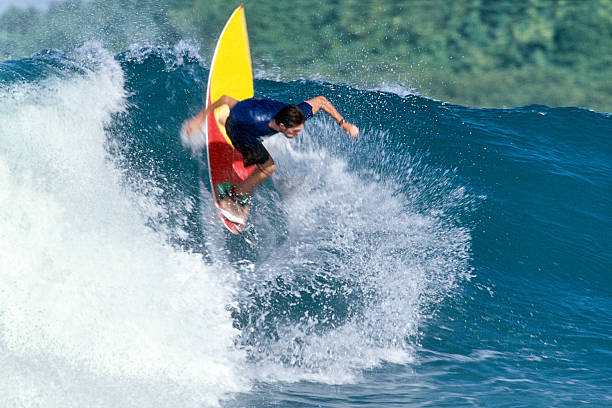
Mushy waves need a different approach. Ditch your high-performance shortboard and grab a board with more volume—a funboard, fish, or even a longboard. Focus on generating your own speed by pumping down the line and using the whole wave face. It’s less about radical turns and more about stylish noserides and smooth carves. Perfect for logging, practicing maneuvers, or just enjoying a sunny day with your crew.