Leashes: Staying Connected

Live Surf Cams

Surfline Live is a 24/7 glimpse into the world’s surf.

This stream moves through Surfline’s global camera network, showing spots where it’s daylight and rated Fair or better.

What’s The Deal With…?

Surf Gear Essentials

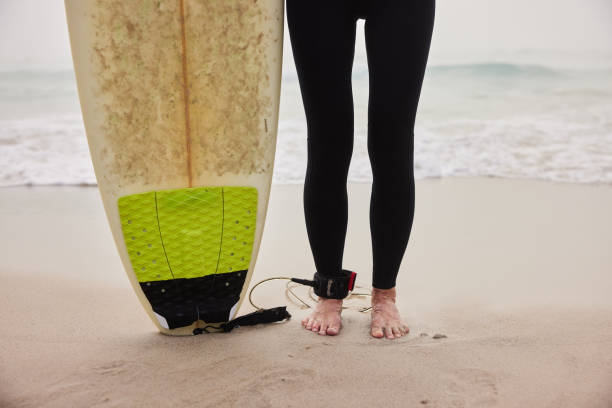
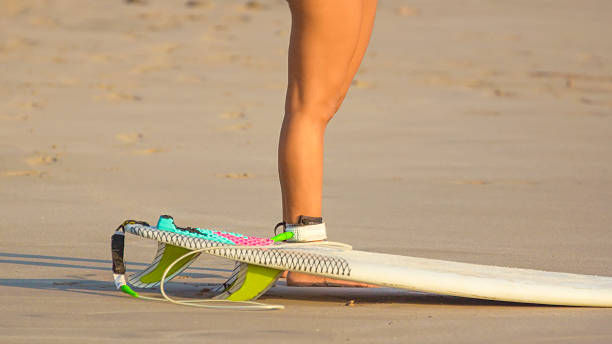
That padded section where the leash string connects to your board’s plug is the rail saver, and it’s crucial. It protects your board’s delicate rails and tail from getting gashed by the cord during violent snaps or when the board is tumbling in the whitewater. It also reduces stress on the leash string itself, preventing premature snapping. Always make sure the rail saver is in good condition and properly positioned against your board’s edge.

Leash thickness, or cuff width, is all about strength and drag. A standard 7mm cuff is perfect for everyday conditions up to head-high. When you’re eyeing heavier, more powerful surf, step up to a 8mm or even 9mm “big wave” leash for extra durability. Thicker means it can handle more pull, but creates slightly more drag. For small, weak waves, a thinner, lighter leash minimizes drag. Match the thickness to the power you’re expecting.

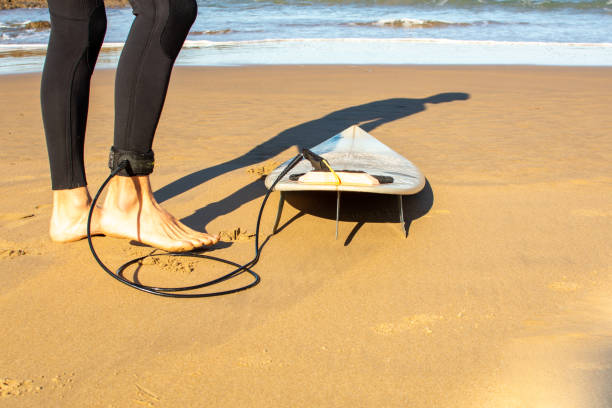
Go for a leash that’s roughly the same length as your board, maybe a touch longer for bigger, more powerful waves. A shortboard around 6ft needs a 6ft leash. If you’re charging overhead waves, adding 1-2 feet gives you more separation from your board during heavy wipeouts. Too long, and it becomes a tangly mess; too short, and it can snap or yank your board back at you. It’s about matching the leash to your wave energy and board size for a smooth, safe session.

Surf Gear Essentials

Inspect your leash regularly for any signs of wear, like brittle urethane, deep nicks in the cord, or fraying near the Velcro or rail saver. Sun, salt, and sand are brutal on gear. A good rule of thumb is to replace it at least once a season if you surf frequently, and immediately if you see any damage. Don’t wait for it to fail in a critical moment—a snapped leash can ruin your session and put others at risk.

For sure, bro. Relying solely on your leash is a classic kook trap. It can make you lazy about ditching your board safely, leading to dangerous flinging in crowded lineups. You should always try to maintain control and hold onto your board through whitewater when possible. The leash is there for when you get properly worked, not for every little fall. Respect the cord, but never forget your primary responsibility: controlling your craft.

The modern leash is your lifeline to your board, a total game-changer since Pat O’Neill invented the “kook cord” in the 70s. It prevents wild swims after every wipeout and keeps your stick from becoming a hazard for others in the lineup. Made from durable urethane cord and a strong Velcro ankle strap, it lets you push your limits without constantly retrieving your board. Just remember, it’s a backup, not a guarantee—always practice proper board control.