Surf Gear Essentials

Live Surf Cams

Surfline Live is a 24/7 glimpse into the world’s surf.

This stream moves through Surfline's global camera network, showing spots where it’s daylight and rated Fair or better.

What's The Deal With...?

Surf Icons & Heroes

What was Eddie Aikau’s role as a lifeguard?

As the first lifeguard for the entire North Shore of Oahu, stationed at Waimea Bay, Eddie was a true guardian. He worked without a single fatality on his watch, performing countless heroic rescues in the most treacherous conditions. His role cemented his deep connection to the ocean—it wasn’t just about riding waves for fun, but about understanding its power to protect others. This duty honed his wave-reading skills and solidified his reputation as a selfless waterman who lived the meaning of aloha every single day.

Why is style so important in modern surfing?

Style is what makes surfing an art, not just a sport. Anyone can do a trick, but doing it with flow and grace is what’s memorable. John John’s style links powerful turns with innovative airs seamlessly. It’s about making it look easy, not forced. Good style shows you’re in tune with your board and the wave. It’s the difference between a robotic maneuver and a soulful expression. Rippin’ with style always earns more respect in the lineup.

What makes John John’s air game so next level?

Dude, it’s the combo of pure commitment and style. He doesn’t just launch; he floats. John John finds sections other surfers don’t even see, using his deep rail game to generate insane speed into the lip. Then, it’s all about board control mid-air—whether it’s a massive alley-oop or a tweaked-out grab, he makes the impossible look smooth. It’s progressive surfing rooted in classic power. Watching him is a masterclass in using the wave’s whole energy to get sky-high.

Surfboard Evolution

Why would I choose an epoxy board over a traditional glass job?

Epoxy setups (EPS foam with epoxy resin) are the go for many modern surfers because they’re light and tough as nails. That lighter weight means easier paddling and more pop off the top. They’re also more buoyant, helping you catch mushy waves with less effort. While some purists miss the “soul” of a traditional PU board, epoxy’s durability is a huge plus if you’re traveling, or if your board tends to kiss the reef now and then. Less ding-prone is always a good thing.

How did shortboard design change surfing technique?

With less foam under your feet, you had to pump for speed and use the wave’s energy. The shorty allowed for explosive top-turns, deep bottom turns, and critical snaps in the pocket. Surfing moved from a graceful glide to a dynamic, athletic dance on the most powerful part of the wave. It unlocked a whole new bag of tricks, emphasizing radical turns and tube-riding over classic, cross-stepping elegance.

How often should I really change my wax?

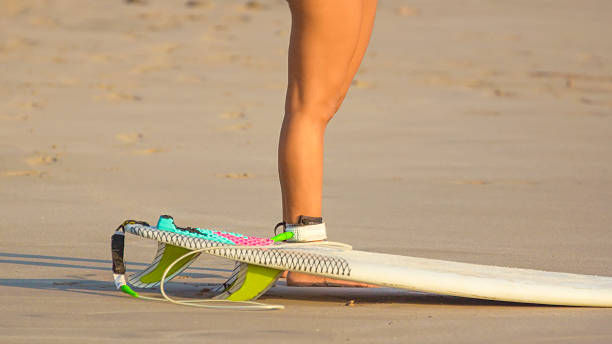
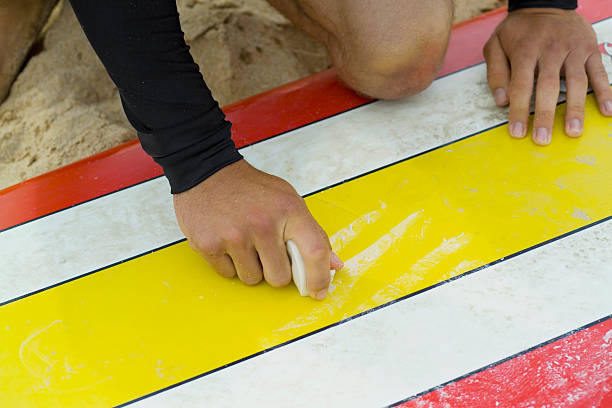
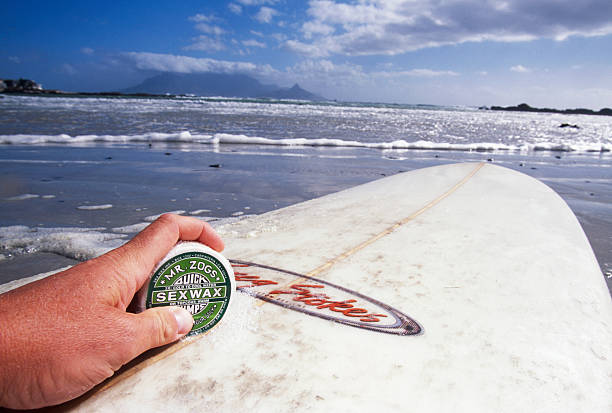
Listen to your feet! When the wax gets dirty, smooth, or melts into a slick mess, it’s time for a fresh coat. Old wax loses its grip, turning your deck into a slip ’n slide on a critical drop-in. A good rule is a basecoat for a new season or travel spot, and a light topcoat every few sessions depending on the heat. Scrape off the old gunk first for the best stick. Good traction equals more confidence to charge.