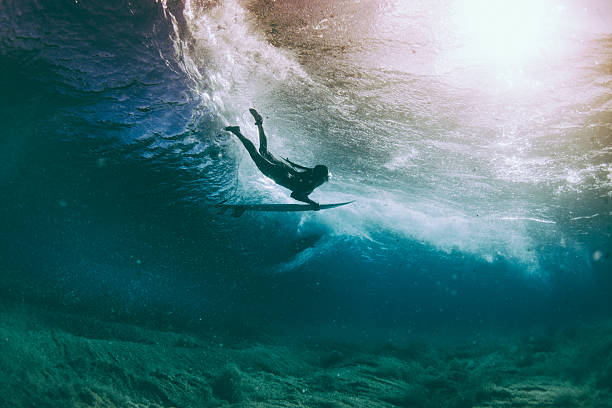
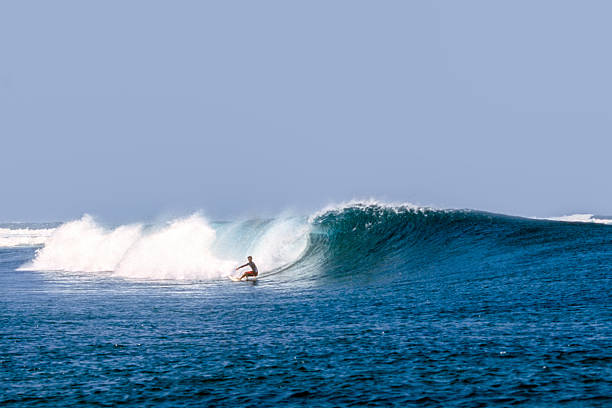
Picture this: you paddle out on a knee-high morning, the kind of day that has every shortboarder groaning and heading back to the car. But you? You’re on a fish. And instead of fighting for every wave, you’re gliding into slop that barely thinks about breaking, pumping down the line with a grin that stretches from ear to ear. That, my friend, is the magic of the fish. It’s not the flashiest board in the rack, and it doesn’t scream “sponsored” at the lineup, but this little swallowtail is the ultimate secret weapon for anyone who wants to catch more waves, have more fun, and rediscover why we all fell in love with surfing in the first place.
The fish was born back in the late 1960s when a California kneeboarder named Steve Lis started messing around with a weird template. He chopped off the nose, added a fishtail, and threw in two fins instead of the standard single. The result was a stubby, thick slab of foam that somehow paddled like a longboard, turned like a roller skate, and went dead fast in gutless surf. It became an underground cult hit, and decades later, the retro-fish movement rose again, reminding a whole new generation that performance doesn’t always mean a toothpick under your chest.
What makes a fish so special? It’s all about the volume and the outline. A typical fish is wider, thicker, and shorter than a standard shortboard. That extra foam gives you insane paddle power, so you’re catching waves earlier and with less effort. The wide, blunt nose pushes water out of the way, while the swallowtail lets the board release water cleanly off the back. Combined with a low rocker—the curve from nose to tail—the planing speed gets real. In mushy, soft, sectiony waves that would leave a shortboard stalling, a fish just skims across the surface like it’s on a greased rail.
Then there are the fins. Most fishes run twin fins, which is the heart of the whole experience. A single fin gives you hold and smooth rail turns. A thruster setup gives you that pivoty, drivey feel. But twins? They offer a loose, skatey, slidey sensation that’s pure joy. You can kick the tail out, drift through a bottom turn, and bust a full-on cutback without fighting the board. The twin fin setup is the reason fishes feel so alive under your feet. It’s not about vertical hammers or airs. It’s about drawing long, flowing lines and hitting max speed without breaking a sweat.
Riding a fish properly requires a little recalibration. If you’re used to burying your rail and turning off the top on a high-performance shortboard, the fish will tell you to lighten up. You ride it more off the tail, keeping your weight centered and letting the board’s natural outline do the work. Bottom turns become sweeping arcs. Top turns become quick pivot flicks. And the best part? The fish doesn’t punish you for being a bit late or a bit off balance. It forgives mistakes, catches waves you have no business catching, and turns a two-foot dribble into a rippable playground.
Don’t think the fish is just for beginners or the surf’s-all-weak crowd, though. Modern shapers have evolved the template into all sorts of hybrid creatures—fish-grovelers, fish-spine swallowtails, even quad-fin fishes that add a bit more hold and push. World-class shredders pull out fishes when conditions call for speed and flow. The fish has proven itself in everything from waist-high beach breaks to chest-high point waves with a long, walled-up face. It’s the board you grab when you want to feel the glide, when you want to generate speed from nowhere, and when you want to remember that surfing is supposed to be fun, not a battle against a board that’s too small for the conditions.
If you’ve got a quiver stuffed with one shortboard and one groveler, it’s time to make room for a fish. You don’t need to drop a fortune on a custom shape—many big-name brands make production fishes that ride like a dream. Look for something around your height (maybe a couple inches shorter than your standard shortboard) with a wide-ish tail and a swallow enough to catch water. Get one in a glassed fiberglass or an epoxy that paddles unbelievably well. Then take it out on a small day, forget about fitting in with the performance crew, and just pump down the line. Your stoke level will skyrocket, your wave count will double, and you’ll finally understand why the fish has never gone extinct. It never will.