Leash and Traction Brands

Live Surf Cams

Surfline Live is a 24/7 glimpse into the world’s surf.

This stream moves through Surfline’s global camera network, showing spots where it’s daylight and rated Fair or better.

What’s The Deal With…?

Surf Gear & Brands

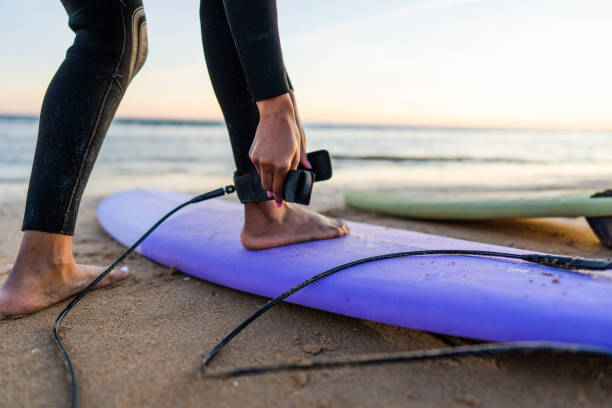
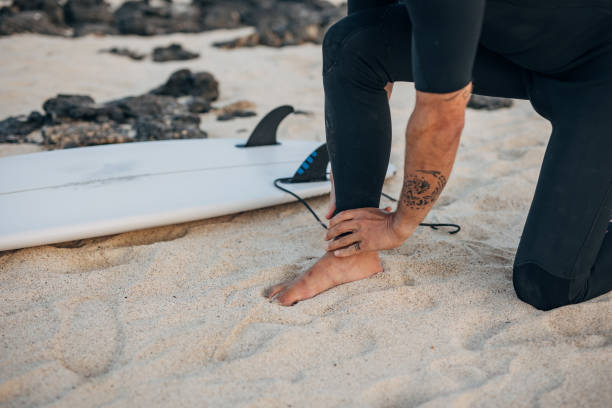
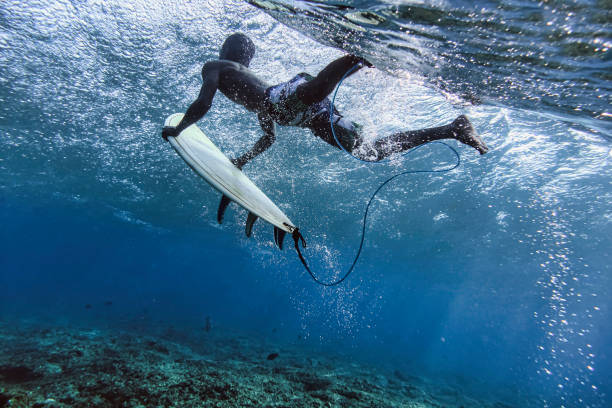
It’s all about matching your stick and conditions. A standard 7mm cord is your daily driver for most shortboards. When you’re charging bigger waves or riding a gun, step up to a 9mm for maximum hold. For small, mellow days or a lightweight fish, a 6mm works fine. Thicker equals stronger but heavier. You want it to keep your board close without becoming a leg anchor. Always check the cuff and rail saver for wear, too—a snapped leash is a major party foul.

For sure, but not like magic. A good pad gives you consistent, positive traction for your back foot, which is key for control. It lets you feel the tail’s edge for sharper turns and gives you something to push against for power. It won’t teach you to bottom turn, but it will help you execute maneuvers with more confidence and less foot slip. Think of it as essential grip tape for your surfboard—once you’re used to it, you’ll wonder how you surfed without.

Those bumps, or “arches,“ are all about feel and function, dude. The kick tail at the back gives your back foot a locked-in reference for snaps and cutbacks. The central arch supports your instep for comfort during long paddles. The varied textures—from diamond to crescent patterns—offer grip in different directions. It’s not just a sticker; it’s your connection to the board. A good pad gives you confidence to push your turns without thinking about your feet slipping out.

Surf Gear & Brands

Check for the obvious: any fraying or cuts in the urethane cord is a red flag. If the swivels are seized up or rusty, that’s another. A Velcro cuff that’s lost its stick is a sure sign. Most importantly, if it’s been through a proper hold-down or a major tangle, retire it even if it looks okay. Internal stress weakens it. A blown leash can turn your board into a runaway missile—not cool for you or anyone in the lineup.

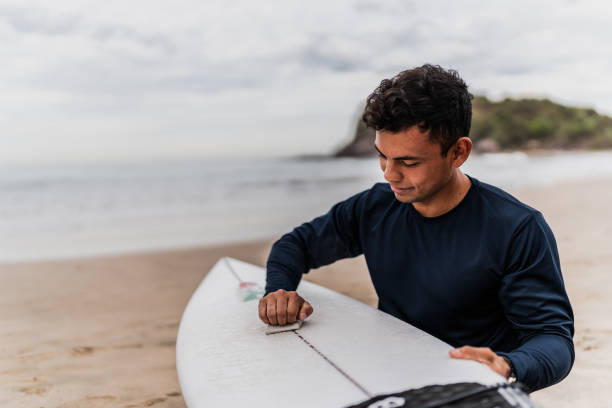
Keep it simple. Clean the deck with rubbing alcohol so it’s bone dry and grease-free. Don’t peel the whole backing at once—start with the tail kick, align it perfectly with the board’s tail, and press it on. Then slowly work your way forward, smoothing out bubbles as you go. Take your time to get it straight; a crooked pad is a permanent buzzkill. Let it cure for a few hours in the sun before you paddle out for the best bond.

It’s a feel thing, man. Some purists on classic single-fins or longboards dig the direct connection to the deck. On smaller boards, some pros want absolute freedom to move their back foot anywhere without any raised edge. It’s a minimalist, raw approach that works for certain styles and boards. But for most modern shortboard surfing, a pad is the standard. It gives that extra purchase for aggressive surfing. Try both and see what feels right for your style.