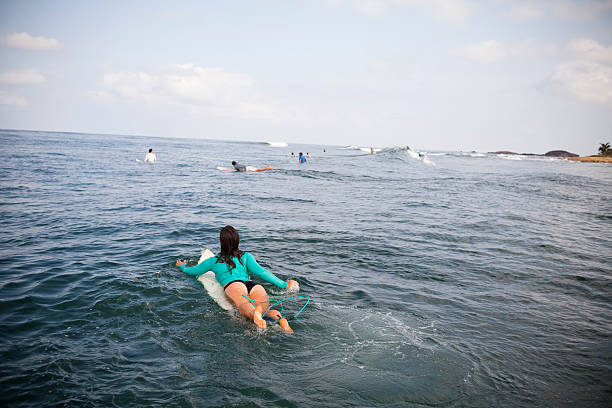
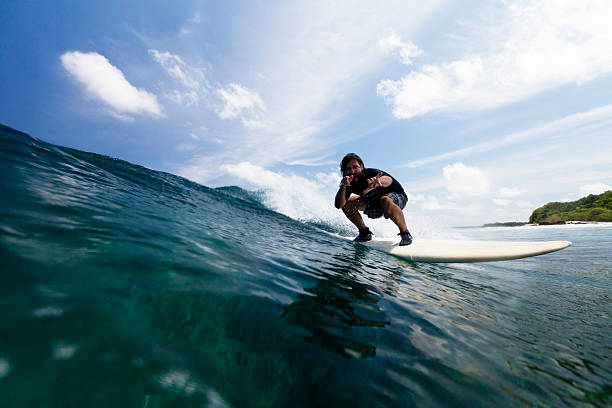
Back in the day, before the dawn of the modern surf leash, losing your board meant a long, cold swim and a lot of curses at the wind. Pat O’Neill changed all that when he MacGyvered a surgical cord to his ankle, and the surfing world never looked back. Today, that little loop of urethane is as essential as wax, but most wave riders never think twice about it. Same goes for the traction pad stuck to their deck. They just ride. But any old salt will tell you that the leash and the pad are the unsung heroes of a session—the quiet handshake between you and your board, keeping you connected when the ocean tries to rip it all away.
Let’s talk leashes first. The market is flooded with options: coiled, straight, thick, thin, swivels, no swivels, rail-savers, and the eternal debate over seven-foot versus nine-foot. But there’s a reason a handful of brands rule the lineup. Dakine, for instance, has been the gold standard for decades. Their leash is built like a Hawaiian aloha spirit—tough but flexible, with a grip that doesn’t dig into your ankle even after a two-hour session. FCS is another heavy hitter. Their leash technology focuses on low drag and high durability, perfect for the progressive surfer dropping into a barreling wave or launching airs. Then you got Creatures of Leisure, the brand that thinks outside the box with their UFO line and tangle-free swivels. Each brand has its own flavor, but they all share one thing: they keep your board from becoming a runaway missile aimed at some grom’s head. That’s the bottom line.
Now, traction pads. Before traction pads hit the scene, surfers relied on a coat of wax from nose to tail, which worked fine until you got a little sloppy with your back foot placement. The first traction pads were just sticky foam strips cut from camping mats. Now, brands like FCS, Dakine, and the Australian legend Hex are the gatekeepers of that sweet, grippy grip. A good traction pad gives you the confidence to push hard off your back foot on a critical turn, to stomp your tail on a float, to feel the rail engage through a bottom turn. It’s the difference between a smooth hook and a humiliating spinout. FCS’s “two-piece” system, for example, lets you fine-tune your stance depending on the board and the wave. Dakine’s low-profile pads feel like a second skin. And then you got the crazy stuff from brands like Gorilla, with patterns that look like a snake’s belly and grippy material that holds your foot like it’s glued.
Here’s the thing most surfers overlook: the combination of leash and pad. Your leash length and thickness should match your board size and the waves you ride. Short, thick leashes for groveling in weak slop. Long, thinner leashes for pulling into bombs at reefs. And your traction pad placement—just a little forward or back—can completely change how you feel the board under your feet. It’s a system, man. And the best brands get that. They engineer their products to work together, to disappear under your experience, so you’re not thinking about gear when a set swings your way.
The culture behind these brands is the real salt in the water. Dakine started in a garage in Hawaii; FCS is an Australian powerhouse born from fin innovation; Creatures of Leisure comes straight out of San Clemente, the heart of California surf industry. They’re all connected by the same love of the ocean, the same late nights in the shaping bay, the same stoke when a kid buys their first leash. That’s the soul of the thing. It’s not about marketing hype or flashy logos. It’s about building a product that lets you paddle out scared and paddle back in smiling.
So next time you strap that ankle cuff or peel the wax off your pad, give a little nod to the tinkerers who perfected it. Without them, every wipeout would be a swim. Every cutback would be a gamble. The leash and the pad are not just gear—they’re the quiet insurance on your endless summer session. Choose your brands wisely, treat them with respect, and they’ll keep you riding longer than you ever imagined.