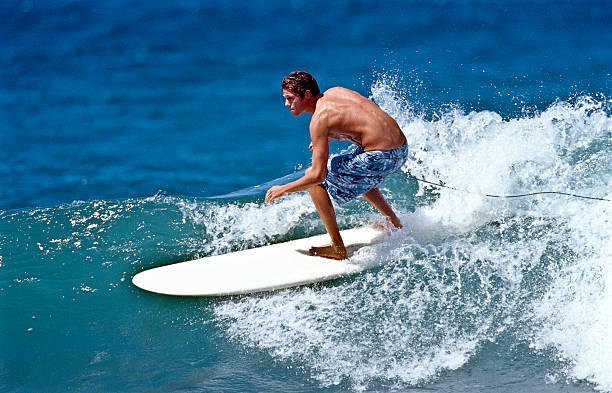
You ever paddle out on a glassy dawn patrol, feel that first drop, bottom turn hard off the lip, and suddenly your back foot slips like you’re stepping on a banana peel? Yeah, that ain’t the wave’s fault. That’s the silent betrayal of a board that’s lost its grip. Surf wax might seem like the most mundane piece of kit in your bag, but it’s the unsung glue between you and the ride. Without it, you’re not surfing—you’re just flailing on a slippery plank, begging for a wipeout that ain’t even stylish. So let’s break down this waxy wonder, the gritty detail that separates a clean carve from a sorry yard sale.
First off, wax ain’t one-size-fits-all. Mother Nature runs hot and cold, and so does the goo you rub across your deck. If you’re shredding in Costa Rica’s simmering water, you need tropical wax, something with a higher melting point that won’t turn into a greasy puddle by your second wave. Hit the North Shore in winter, and that same wax turns into a brittle mess, cracking under your toes and offering all the traction of a wet bar of soap. That’s why surf wax brands cook up different temperature blends—cold, cool, warm, tropical—each with its own little sweet spot. The good ones list the range right on the wrapper, like a surfer’s version of a weather forecast. And you gotta respect that if you want your feet to stay planted, especially when that reef is shallow and your rail is buried.
Now, application is where the true connoisseur separates from the casual slap-and-go. You don’t just rub the bar across your deck like you’re buttering toast. Nah, you need a basecoat first—a thin layer of harder wax that acts like a foundation for the softer topcoat. Some folks go straight with the same temp all over, but that’s a rookie move. The basecoat digs into the fiberglass, creating a rough texture that gives the topcoat something to bite into. Then you lay down your topcoat in small, circular strokes, pressing just enough to build up a slightly bumpy surface. Let it cure for a bit, maybe an hour, then run your hand over it—you want that dime-sized pebbly feel, like a lizard’s back. That’s what locks your heel in during a hack or a snap. And every few sessions, you gotta give it a comb with a wax scraper, fluffing up those little knobs to restore the grip. Messy? Sure. Worth it? Absolutely.
But wax ain’t just about grip. It’s about connection. When you’re out there, toes curling over the rail, you’re literally feeling the ocean’s pulse through that thin layer of sticky resin. It’s the interface between human and wave, the tactile link that lets you transfer weight, shift hips, and throw spray without even thinking. That’s why some old-school surfers treat a fresh wax job like a ritual—a pre-dawn meditation where you scrape, rub, and smooth while the sun peeks over the horizon. It’s not just prep; it’s a stoke generator. And if you’ve ever borrowed a board with a naked deck, you know the instant humbling when your feet shoot out on the first takeoff. You paddle back in, grab a bar from your truck, and remember why Hawaii’s ancient wave riders didn’t need no fancy stick—but they sure would’ve loved a little paraffin.
These days, the scene has gone eco-conscious, and that’s rad. Old-school petroleum waxes left a slick of hydrocarbons in the lineup, not exactly the kind of aloha we want to leave behind. Now you got plant-based waxes made from beeswax, coconut oil, and tree resins—biodegradable, cruelty-free, and just as grippy. Some even come in compostable wrappers, so you’re not leaving a trail of plastic shavings in the sand. The performance holds up too, with cold-water blends that stay flexible and tropical mixes that resist the melt. Plus, they smell better—like a subtle hint of pine or citrus instead of that chemical sting. Supporting brands that give back to ocean conservation just adds another layer of stoke to every session.
Here’s the thing: surf wax is one of those essentials you never think about until it’s gone. You’ll trade boards, buy new leashes, splurge on a high-end wetsuit, but that little bar in your pocket? It’s the quiet hero of every epic wave. So next time you’re stripping off that old coat, take a moment to appreciate the history—how ancient Polynesians used tree sap and animal fat to keep their feet from sliding, how the ’60s crew refined the recipe with paraffin and beeswax, and how today’s crew is still tweaking the formula in the name of a better rail-to-rail connection. Grab a bar, give your board some love, and paddle out with confidence. Because the wave doesn’t care how expensive your stick is. It only cares that your feet stay put when the ocean does its thing.