

All Articles

Live Surf Cams

Surfline Live is a 24/7 glimpse into the world’s surf.

This stream moves through Surfline’s global camera network, showing spots where it’s daylight and rated Fair or better.

What’s The Deal With…?

The Surfing Life

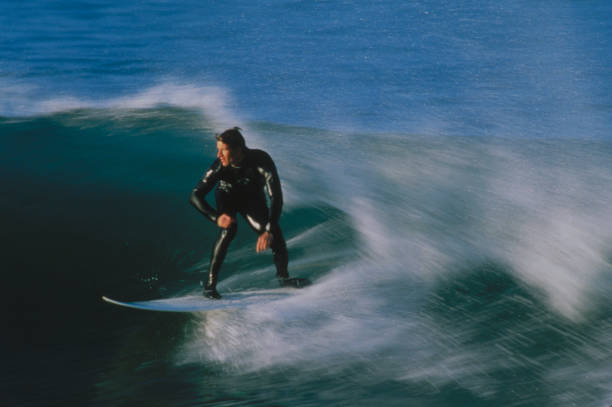
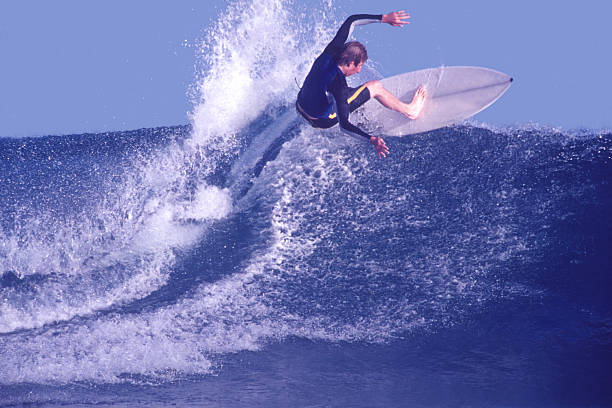
Your wetsuit, hands down. It’s your second skin and what lets you surf year-round in chilly barrels. A good, comfortable suit that fits like a glove keeps you warm and flexible, so you can focus on your shredding instead of the brain freeze. For warmer climates, a solid pair of boardies or a rashguard is essential. Don’t skimp here—being cold or chafed is a surefire way to cut a killer session short.

Totally, and it’s stoking to see it. Some brands now use recycled plastics in their leash cords and natural rubber in traction pads. You can find pads made from cork or other sustainable materials. The performance is getting really close to the standard stuff. Supporting these brands helps keep the oceans and beaches we love a little cleaner. It’s a small change that makes a difference, aligning that surf lifestyle with looking after the playground.

Etiquette is survival. The rule is simple: the surfer deepest and earliest on the peak has the wave. Don’t even think about paddling for the shoulder if someone is deeper. Wait your turn, which can be a long while. Always look before you drop in. It’s a high-stakes lineup with razor-sharp reefs and big egos. Patience and clear communication are the only ways to get your wave without a hassle.

Surf Gear Essentials

You can attempt a major repair, but it’s a serious project. For a snap, you need to align the stringer perfectly, glue it, and then re-glass the entire area. A massive rail crush or big gash requires significant foam shaping and multiple layers of glass. It’s doable with the right materials and a solid guide, but it’s easy to mess up the board’s flex and balance. For your favorite stick, a bad snap might be a job for the local shaper or repair guru.

Because the lineup in Hawaii is deeply cultural and fiercely respected. Dropping in, snaking waves, or paddling straight to the peak without acknowledgment is a sure way to get called out—or worse. Wait your turn, don’t back-paddle, and always show respect to the elders and locals in the water. A simple “howzit” goes a long way. This isn’t a free-for-all; it’s a community with unspoken rules. Showing respect means you understand there’s more to the session than just catching waves.

Forget your summer shorty; you’re suiting up in a 5/4mm or thicker wetsuit with hood, boots, and gloves to battle the icy Pacific. The board is a specialized gun, often 9 feet and way up, built for speed and control on massive faces. A modern inflatable vest (PFD) is non-negotiable for safety. Plus, many riders now use earplugs to prevent surfers’ ear and a high-quality leash that can handle the incredible pull of a giant wave. It’s all about survival and performance.