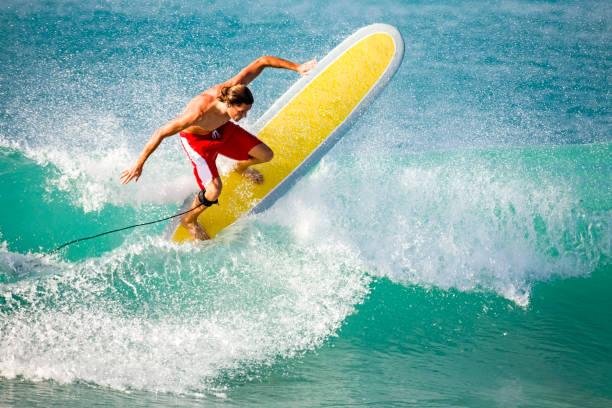
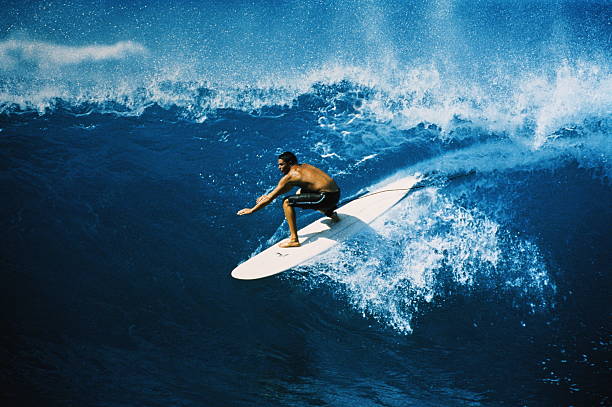
Surfing may look like a solo dance with the ocean, but any salty soul who has paddled out alone day after day knows the real stoke comes from sharing it. Building a surf network isn’t about swapping business cards on the sand—it’s about finding your tribe, the ones who understand why you’ll cancel plans for a chest-high swell on a Tuesday morning. The lineup is the original social network, and it runs on unspoken trust, shared wipeouts, and the kind of camaraderie that only forms when you’ve both had your lungs squeezed by a set wave and emerged laughing.
The foundation of any surf network begins with the dawn patrol. That pre-sunrise hour when the water is glassy and the air smells faintly of coffee and salt is where the real connections start. You recognize the same faces session after session, the groms on foamies, the grayhairs gliding on logs, the crew that always takes the outside peak. Start by giving a nod, a shaka, or a simple “morning” as you paddle past. That’s the first thread. Over time, you learn each other’s names—or at least the nicknames that stick like barnacles. “Shortboard Steve,” “The Old Man,” “The Dog Walker.” You start to read each other’s body language, knowing when someone is about to drop in on your wave or when they’re giving you the go. That unspoken rhythm is the heart of a surf network.
But building a crew isn’t just about showing up. It’s about earning your place. Localism gets a bad rap, but at its core it’s about respect. When you paddle into a new break, you don’t just charge the peak and demand waves. You sit on the shoulder, watch the hierarchy, and wait. Eventually, you’ll get a few scraps. If you surf with humility and don’t snake anyone, the regulars will start to nod. They might even toss a few tips your way—like where the rip current pulls or which tides favor the wedge. That’s when the network opens. Suddenly you’re not just a visitor; you’re part of the rotation. You get invited to the beach bonfire, the backyard BBQ, the early-morning text: “Looks clean, you in?”
Beyond your home break, the surf network expands through travel and shared adventure. The endless summer isn’t just a movie—it’s a mindset. When you roll into a foreign coast, the shaka is your passport. Walk up to a ripper waxing up in the parking lot, ask about the swell direction, and you’ve got an in. Surf camps, hostel lineups, and even Instagram DM exchanges turn into real-world meetups. I’ve paddled out in Fiji with a dude I’d only known as a username, and within one set we were trading waves like old friends. The language of surfing is universal—one talk of the tide, a shared grimace at a closeout, and you’re bonded.
Technology helps, for sure. Group chats with names like “Dawn Patrol Possy” or “South Swell Crew” keep the network ticking when the winds are offshore. You send a photo of the live cam, someone replies “I’m out in 20,” and now you’ve got a session partner. But the real glue is the water. When you witness a buddy get smashed by a double-up and you paddle over to make sure they’re still breathing, that’s deeper than any text. When you both high-five after pulling into the same barrel from opposite sides, that’s the stoke that builds loyalty.
A strong surf network also means taking care of each other. It’s the guy who spots you a leash when you forgot yours. It’s the woman who gives you a ride back to your car when your rental breaks down. It’s the crew that collectively decides to avoid the crowded peak and paddle down to the quieter reef just so everyone gets waves. That spirit of generosity is what turns a loose collection of wave-riders into a true community. And it doesn’t stop at the shoreline. Those same faces show up at the surf shop, the local taco joint, the weekend cleanup day. The network becomes a lifeline—literally, when someone’s in trouble in the water, and figuratively, when life gets heavy and you need a wave to clear your head.
So if you want to build a surf network, don’t force it. Just keep paddling out. Be stoked for others’ waves. Laugh at your own wipeouts. Offer a spare wax or a kind word. The ocean has a funny way of bringing the right people together. Before you know it, you’ve got a crew that feels more like family. And when you’re sitting out the back at sunset, trading stories and watching the horizon, you realize that the best wave you caught that day wasn’t the one you rode—it was the connection you made.