Advanced Maneuvers: Carving and Airs
Live Surf Cams

Surfline Live is a 24/7 glimpse into the world’s surf.

This stream moves through Surfline’s global camera network, showing spots where it’s daylight and rated Fair or better.

What’s The Deal With…?

Mastering the Waves

Totally crucial, dude! For carving, you want a board that holds a rail—something with a defined edge and often a bit more rocker. For airs, you typically want more rocker in the nose and tail to help with the pop off the lip, and lighter construction helps you get airborne. Performance shortboards are built for this. But don’t get too gear-focused; a good surfer can rip on anything. The right board just makes it easier to progress and feel that sweet, sweet release.

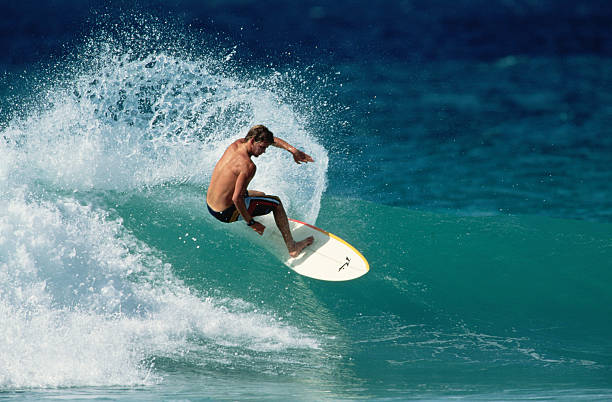
A cutback is your classic, soulful carving move to get back to the power source. You’ve flown way down the line and the wave is starting to fatten out ahead of you. To avoid the shoulder, you lay into a deep, sweeping turn back toward the whitewater and the steep part of the wave (the pocket). It’s all about style and flow—drawing a big, beautiful arc on the face to reconnect with the energy. It’s a fundamental power-control maneuver that looks epic when done with commitment.

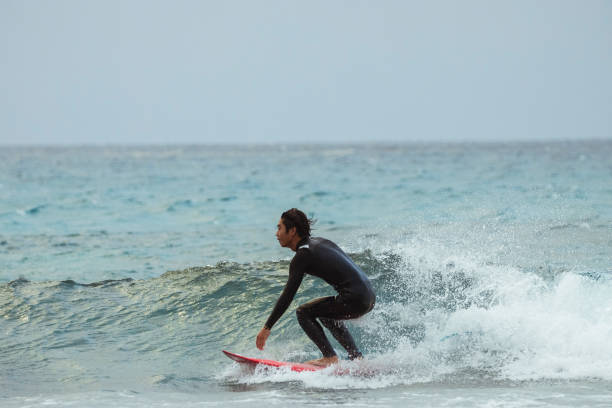
The bottom turn is your launch pad for everything! It’s where you generate all your speed and set your line for whatever’s next. A weak bottom turn means a weak carve or a lame air. A powerful, committed bottom turn stores energy like a spring. It directs your momentum up the face toward the lip for an air or across the wave for a carve. No good turn or air ever started with a bad bottom turn. It’s the foundation of every radical maneuver.

Mastering the Waves

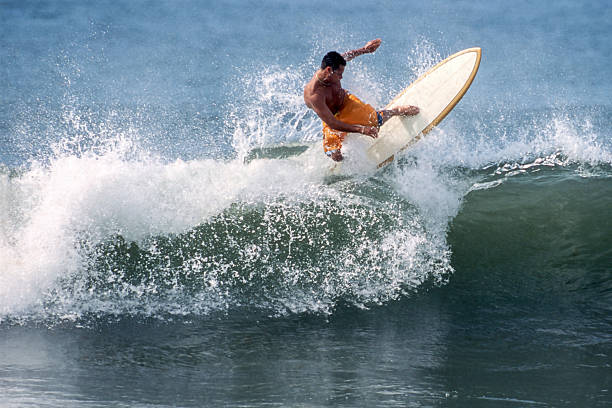
Start small and on the right wave. Find a soft, crumbling section instead of a pitching lip. Begin with a straight air, or a little “air reverse.“ The key is the launch: a solid, upward-focused bottom turn is your launch pad. Pop off the lip like an ollie, keeping your board under you. Don’t look down! Spot your landing in the foam ball. It’s gonna feel sketchy at first, but commitment is everything. Start on a foamie or a fish for more forgiveness.

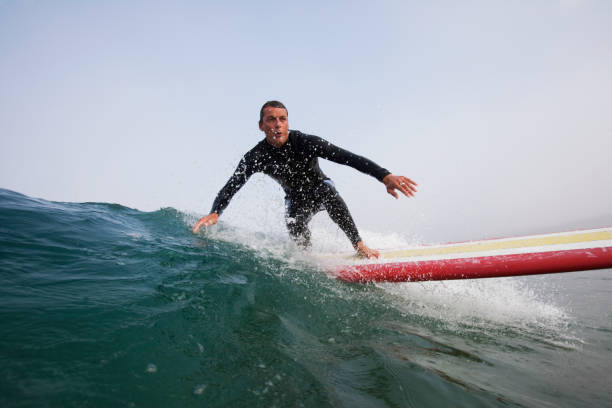
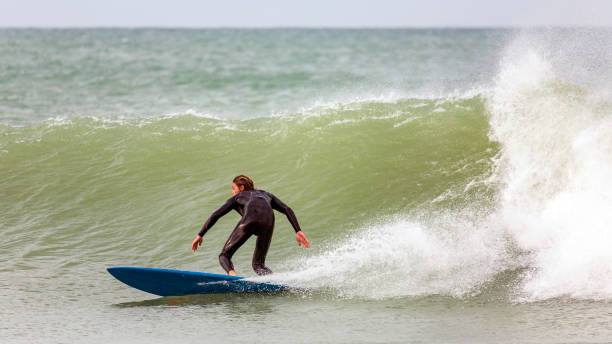
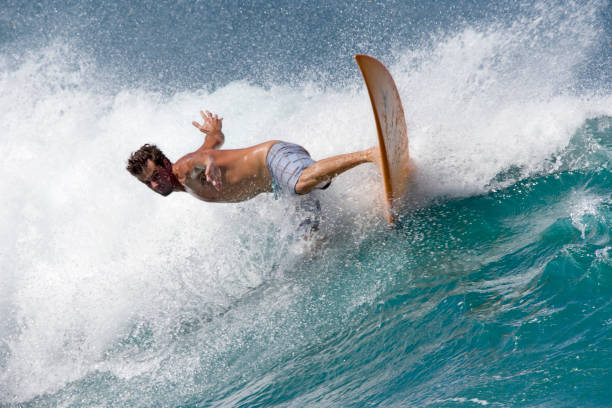
A basic turn is like changing lanes, but a carve is laying down some serious railroad tracks. It’s all about commitment and power. You really drive your rail into the face, using your whole body to project down the line or back toward the pocket. Think of it as drawing a deep, sweeping line on the wave with your fins. It’s not just a direction change; it’s an aggressive, stylish statement that sets up for bigger maneuvers.

Pump, baby, pump! It’s all about the kinetic energy. Generate speed by compressing and extending your legs as you move along the wave face, like a skateboarder in a half-pipe. Use the wave’s curve—pump on the bottom, unload at the top. The key is staying on the “highway” of the wave, that sweet spot where it’s steepest. Trimming properly on your rail before the carve also keeps your velocity up so you can really attack the section.