Wetsuits: Staying Toasty in the Cold

Live Surf Cams

Surfline Live is a 24/7 glimpse into the world’s surf.

This stream moves through Surfline’s global camera network, showing spots where it’s daylight and rated Fair or better.

What’s The Deal With…?

Mastering the Waves

The holy trinity of cold-water accessories! When the water or air gets seriously chilly, your extremities feel it first. Boots are essential for grip on icy wax and protecting your feet from reef or rocks. Gloves keep your hands from going numb so you can actually feel your board. A hood is the ultimate game-changer—you lose a ton of heat through your head. If you’re debating needing one, you probably do. They keep you out longer and stoked, not shivering on the beach.

Totally, a quick DIY fix can extend your suit’s life. For small nicks or tears, get some neoprene cement. Clean the area, apply a thin layer, let it get tacky, then press the pieces together. For a blown seam, a flexible aquaseal or wetsuit sealant works. Just go easy and keep it ventilated—that stuff is potent! But for major rips or critical seam failures, take it to a pro repair shop. A proper patch job can save you from buying a new suit for another season.

With proper care, a good suit should get you through two solid seasons, maybe 100+ sessions. It’s all about the TLC, man. Always rinse it with fresh water after every surf, inside and out. Dry it in the shade, never on a hot fence or in direct sun—that bakes and cracks the neoprene. Store it on a thick, wide hanger. You’ll know it’s retiring when it gets super stretchy, loses its spring, and flushes cold water constantly. That’s the suit telling you it’s time for a new one.

Mastering the Waves

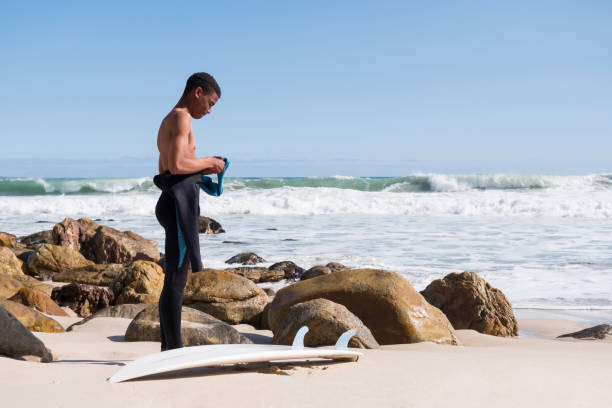
The dawn patrol struggle is real! First, use a plastic bag. Put it over your foot or hand before sliding into the suit—it glides right in. Second, never force it; you’ll tear the seams. Pull the material up, don’t yank on the cuffs. For a suit that’s still wet from yesterday, turn it inside out to rinse any sand, then flip it back. A little patience saves the neoprene and your pre-surf vibes. Nobody likes starting a session already gassed from the suit battle.

It’s all about water temp, brah. Thickness is in millimeters, like 3/2mm (3mm torso, 2mm limbs). Warm, tropical water? A light 2mm spring suit or just boardshorts. Most California vibes? A 3/2mm full suit is your go-to. Frigid, icy winter sessions? You’ll need a 4/3mm or even a 5mm+ hooded suit. The right thickness lets you move freely while keeping the core stoke warm. Too thin and you’ll freeze; too thick and you’ll overheat. Match it to your local break for maximum water time.

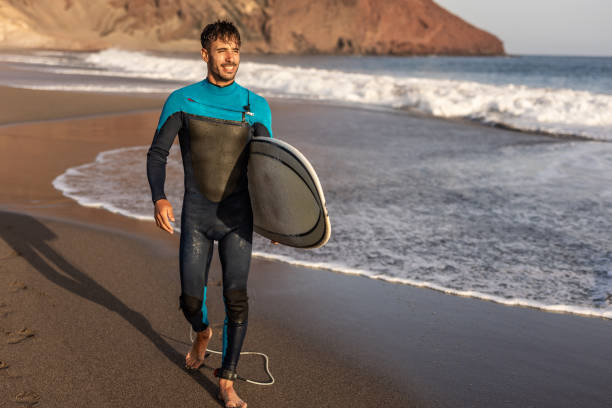
It’s a genius bit of science, dude. The suit lets a thin layer of water in next to your skin. Your body heat warms that water up, and the neoprene (that rubbery material) traps it there, creating a toasty thermal layer. The suit itself doesn’t warm you—you warm the water. That’s why a good, snug fit is crucial; too loose and all that warm water flushes out with every duck dive, replaced by cold ocean. That flush is a real buzzkill, so seal it up tight at the neck, wrists, and ankles.