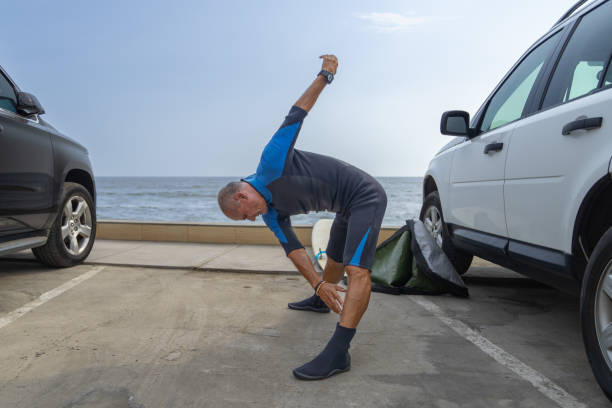
Every surfer knows the feeling. You’re suited up, waxed board under arm, walking down the beach toward a cold winter swell. The water is forty something, but your 5/4 is zipped tight, booties on, hood snug. That first plunge is a shock, but within a minute your own body heat has kicked in and you’re paddling out warm as toast. That magic only holds if your wetsuit is in peak condition. Let a little wear creep in, and suddenly you’re getting ice water down your back on the third duck dive. The difference between a killer session and a miserable one often comes down to how well you care for your rubber.
Start with the rinse. After every surf, don’t just hose it off. Soak your suit in a bucket of cold fresh water—turn it inside out to let the water reach the inner foam. Use a wetsuit cleaner, not soap or detergent, which leaves residue that ruins insulation. The goal is to flush out salt crystals and sand that act like sandpaper, grinding down the neoprene fibers and opening up seams. Let it soak for twenty minutes, then rinse again with fresh water. Hang it to dry on a thick, round-shouldered hanger. A wire hanger will leave dents that become permanent creases, and creases mean cold spots. Keep it out of direct sunlight—UV rays break down the foam, turning a flexible suit into stiff cardboard.
Now drying. Many surfers make the mistake of drying their suit right-side out only. The inner neoprene stays damp, inviting bacteria that cause that signature wet-suit stink. Flip it inside out first, hang until the inner is dry, then flip it back to dry the outer. In cool climates this can take a day or two. Never stuff a damp suit into a car trunk or a board bag. Mold will set in, and once that smell is locked in it’s nearly impossible to banish. A dry suit is a warm suit—wet neoprene conducts heat away from your body, defeating the whole purpose. If you surf multiple days, having two suits is a game changer: wear one, let one fully dry for forty-eight hours. Rotating them doubles the life of both.
During winter, consider using a wetsuit dryer—a simple fan-based system that blows air through the suit. It speeds drying and prevents mildew. Check your zipper regularly. A rusty or gritty zipper is a nightmare to fix. After each drying, run a little zipper wax or silicone-based lube along the track. Zip it up before rinsing to keep sand out of the mechanism. If the zipper starts skipping or sticking, replace it before it fails mid-session. Seals around the neck, wrists, and ankles are the most likely spots to leak. Neoprene cement is your friend. Apply a thin layer to any peeling edge, let it dry for ten minutes, then press the layers together. For larger holes, use a wetsuit repair patch from the inside and glue both sides. A pinhole may seem small, but in frigid water it turns into a fire hose of cold. Patch it immediately.
Finally, storage for the off-season. Clean and dry your suit thoroughly. Store it flat in a cool, dark closet, or hang it on a wide hanger with a garment bag for dust protection. Never fold it or leave it in a hot attic. The heat will melt the glue and delaminate the foam. If you live in a humid area, toss in a couple of silica gel packs to absorb moisture. When the cold months return, don’t just yank it off the hanger—give it a quick rinse to remove any dust, then check for any damage from storage. That extra five minutes you spend rinsing and drying could mean an extra hour in the water. And every surfer knows that an hour more in the lineup is an hour closer to that perfect wave. Keep your rubber stoked, and you’ll stay toasty through all the cold seasons. Then when summer hits, that same care will have your spring suit ready for the dawn patrols that never end. That’s the way to live the endless summer mentality even when the water’s freezing.