Travel Tips for Surfers

Live Surf Cams

Surfline Live is a 24/7 glimpse into the world’s surf.

This stream moves through Surfline’s global camera network, showing spots where it’s daylight and rated Fair or better.

What’s The Deal With…?

The Surfing Life

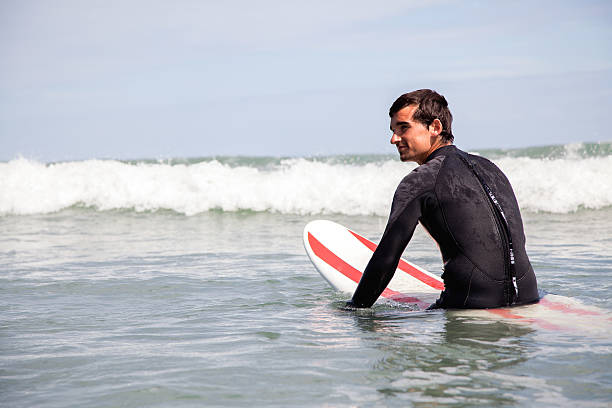
It’s all about respect, brah. Observe the lineup for at least 20 minutes before paddling out. Understand the pecking order and who’s getting the set waves. Don’t just paddle straight to the peak; start on the shoulder and earn your place. A simple greeting goes a long way. Follow the local rules, and never drop in. Basically, don’t be a kook. You’re a guest in their ocean, so act like one and you’ll often find the stoke is reciprocated.

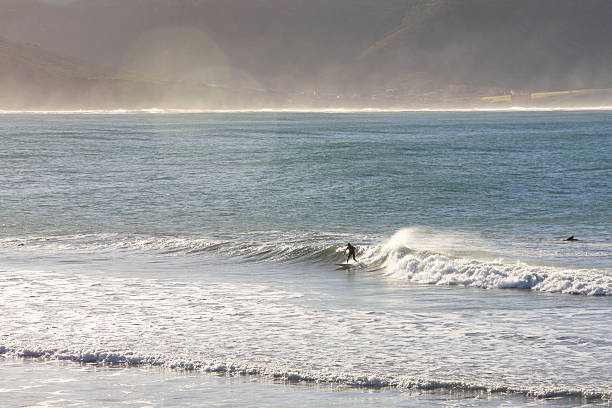
Know before you go! Beach breaks are often more forgiving and great for progression. Reef and point breaks require more precision and respect for the lineup hierarchy. Reef breaks usually have a critical take-off zone and a specific exit channel—learn it. Always ask about hazards like rocks, urchins, or rips. Your surfing approach should change with the break; a fast, hollow reef wave is a different beast than a crumbling beachie. Match your technique to the terrain.

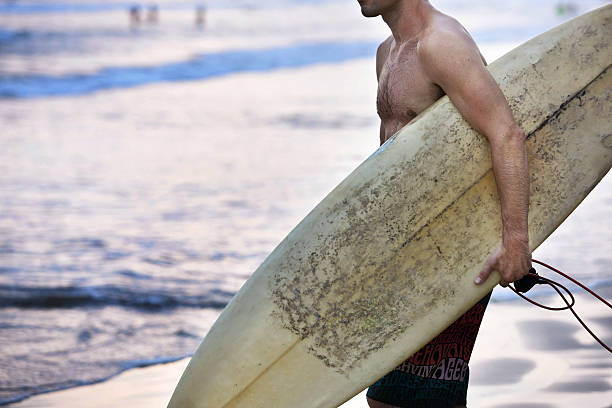
For sure, if you can. A good quiver covers different conditions. Bring your daily driver, a small-wave board for those sluggish days, and a step-up for when it gets overhead. If you’re limited to one board, choose your most versatile sled—like a hybrid or a fish that works in a range of surf. Consider renting or demoing boards there, too, especially if you’re flying with budget airlines that charge heaps for board bags.

The Surfing Life

Flexibility is key. Use reliable surf forecasts and swell models, but be ready to move. Sometimes the spot you planned for is flat, but a sneaky cove around the corner is firing. Rent a vehicle for mobility. Talk to local surf shop owners—they know the secrets and conditions. Don’t just surf dawn patrol; sometimes the wind switches and the evening glass-off is magic. The goal is to sync your trip with a promising swell window, but be ready to adapt.

Respect the places that give us joy. Use reef-safe sunscreen to protect fragile ecosystems. Minimize plastic use—bring a reusable water bottle and bag. Support local economies by eating at family joints and hiring local guides. Choose eco-conscious accommodations if possible. When you leave, the only thing you should take is memories (and maybe some photos), and the only thing you leave is your footprint in the sand. Keep the oceans and lineups clean for the crew that comes after you.

Look for a spot that matches your skill level and the vibe you want. Consider the wave type—point break, beach break, or reef—and the consistency of the swell. Research the local crowd, the season for optimal waves, and the overall logistics like travel ease and accommodation. Don’t just chase the most famous spots; sometimes the lesser-known gems offer empty lineups and a more authentic experience. Always check if you need specific equipment, like a step-up board for bigger days.