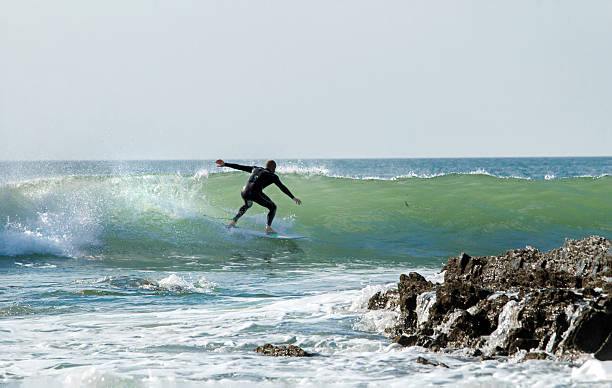
There’s nothing quite like paddling out at a new break for the first time. The anticipation hums through your veins as you wax up, the unfamiliar salt air filling your lungs, the horizon promising stoke you’ve never felt before. But as any seasoned surfer knows, that first session can be a humbling experience if you don’t take a moment to read the room, or more accurately, read the lineup. When you’re traveling and chasing waves like something out of The Endless Summer, the key to a good trip isn’t just finding the swell, it’s understanding the local vibe.
Every surf spot has its own pulse, its own rhythm, and its own unwritten rules that have been passed down through generations of locals. Before you even think about paddling out, spend some time on the beach just watching. This isn’t wasted time, it’s your tuition. Watch where the waves are breaking, look for the rip currents that can help you get out the back without exhausting yourself, and pay attention to how the surfers in the water are interacting. Some breaks have a mellow, spread-out vibe where everyone gets their share. Others are more competitive, with a clear pecking order and certain surfers who seem to have priority on every set. Don’t take it personally, that’s just how the wave breaks, and those guys have been surfing it their whole lives.
When you do paddle out, don’t just charge straight for the peak like you own the place. Sit on the shoulder for a while, let the locals see you’re not a kook, and don’t drop in on anyone. Dropping in is the cardinal sin of surfing anywhere, but when you’re a visitor, it’s a surefire way to get yourself banned from a break real quick. If you see someone deeper on the wave, back off and take the next one. Even if you’re a talented surfer from your home break, remember that these guys have been reading these particular swells since they were groms. You might think you’re deeper, but they might know something about the section you don’t.
Another crucial piece of travel etiquette is to be humble and friendly. A simple smile or nod in the lineup goes a long way. Strike up a conversation if the vibe feels right. Compliment a local on a nice ride. Ask about the conditions, the swell direction, the tide. People love talking about their home break, and if you show genuine respect and curiosity, you’ll often get tips that make your entire trip better. That little insider knowledge about which rock to line up with on the horizon or what time the wind switches can transform a mediocre session into the best surf of your life.
Also, be mindful of your gear and your footprint on their break. Don’t leave wax wrappers or tape on the beach. Don’t park your rental car in someone’s driveway. Don’t pump loud music on the sand. You are a guest in their home, and the best way to be welcomed back is to leave no trace and no bad memories. Some spots are notoriously protective of their waves, and they have every right to be. Overcrowding and disrespect from traveling surfers have spoiled many a classic break. Don’t be that guy.
Packing smart for a surf trip is half the battle. Always bring a few extra leashes and fins. There’s nothing worse than a leash snapping on your first day and having no backup while the swell of the season pumps. Roll your boards in a good travel bag with plenty of padding, and don’t forget the wax. Different water temperatures require different wax, and showing up with tropical wax in cold water is just silly. Always tell the airline what’s in your bag so they handle it with respect, even if they usually don’t.
Ultimately, the best surf trips are about more than just perfect waves. The real stoke comes from the connections you make, the new friends you meet in the water, and the shared respect for the ocean. When you respect the locals and the lineup, you become part of the story of that break, even if just for a day. And that feeling, that sense of belonging to a global tribe of wave riders, is what makes chasing the sun and the swell so damn good. So paddle easy, smile often, and always remember that every surfer was once a stranger in the lineup.