Surfboard Evolution

Live Surf Cams

Surfline Live is a 24/7 glimpse into the world’s surf.

This stream moves through Surfline's global camera network, showing spots where it’s daylight and rated Fair or better.

What's The Deal With...?

Surf Travel Adventures

How does the communal vibe of a camp boost my progression?

The shared stoke is unreal. You’re pushing each other, sharing wipeout stories, and celebrating each other’s breakthroughs. That positive energy makes you paddle out more, try harder, and bounce back faster. Watching your mates nail a maneuver gives you the belief you can do it too. It’s not just a lesson; it’s an immersive experience in the core surf tribe mentality.

How should I handle my gear between surfs?

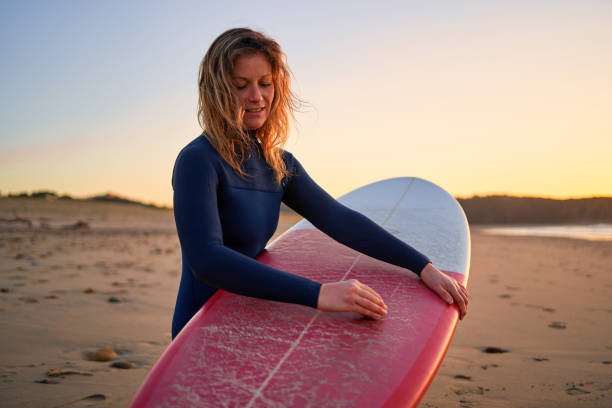
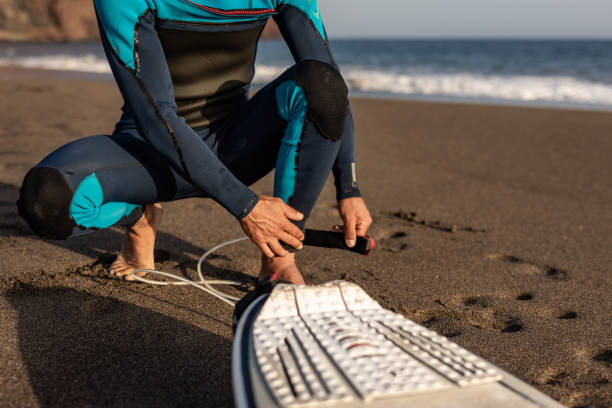
Rinse everything—boards, wetsuits, leashes—with fresh water after each session, especially in saltwater or sun. Dry your wetsuit inside out in the shade. Keep your board out of direct sun when not in the water to prevent delamination and discoloration. A little daily TLC keeps your gear performing and extends its life for the whole mission.

What’s essential for my surf first-aid kit?

Beyond standard bandages, pack a water-resistant antiseptic, super glue for small cuts, and a good reef cream. Ear drops are crucial to prevent surfer’s ear issues, and don’t forget strong sunscreen (reef-safe, of course!). Include pain relief and any personal meds. A small repair kit for dings is also a form of first aid for your boards!

Mastering the Waves

What’s a “closeout” and why should I avoid it?

A closeout is when a wave breaks all at once along its entire length, instead of peeling left or right. It’s like a giant, crashing wall of whitewater with no open face to ride. You get no real ride, just a brutal pounding. They’re energy drains and can be dangerous in bigger surf. Spot them by looking for a wave line that’s crumbling evenly with no shoulder. Paddling for a closeout is a classic rookie move—better to let it pass and wait for one with a defined line.

What’s the Deal with Different Wetsuit Thicknesses?

It’s all about water temp, brah. Thickness is in millimeters, like 3/2 (3mm torso, 2mm limbs). Ice-cold winter juice? You’ll want a 5/4 hooded suit. Mild winter or dawn patrol in cooler spots, a 3/2 is your go-to. Summer seshes often just need a spring suit (short arms/legs) or a rashguard. The right thickness keeps you warm without feeling like a stuffed seal, so you can paddle freely and stay in the water longer. Match it to your local break for maximum stoke.

Can leg day really help my surfing?

Absolutely, brah! Your legs are your suspension and power generators. Strong quads and glutes let you drive through bottom turns, absorb chop like shocks, and unleash power for big carves and airs. Think of it as building your board’s fins and stringer. Exercises like squats, lunges, and box jumps build that resilient, springy strength. You’ll notice you can surf harder for longer without your legs turning to jelly, especially in critical sections.