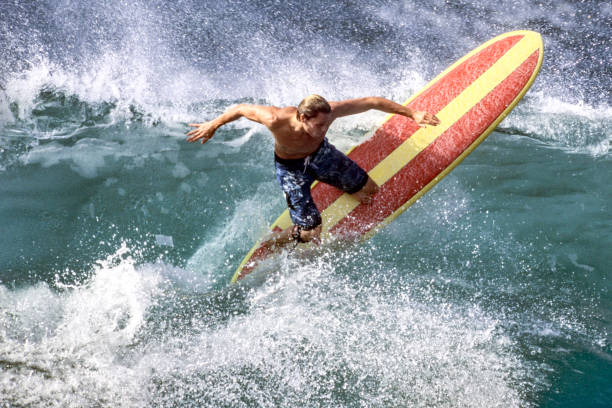
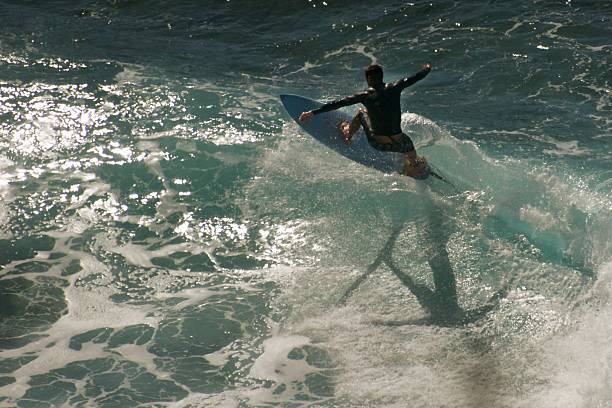
Forget the clunky planks of yesteryear. The modern surfboard is a whisper-thin, computer-sculpted, space-age sled built for one thing: pure, unadulterated stoke. We’ve come a long way from Duke’s solid redwood logs, and the evolution ain’t slowing down. This isn’t just about slapping a new color on a fish; it’s a full-blown revolution in foam, glass, and fin tech, letting us surf waves in ways the old legends could only dream of.
Let’s kick it off with the biggest shift under our feet: the shortboard revolution was just the beginning. Today, it’s all about hybridization. You’ll hear terms like “hybrid,“ “groveler,“ and “performance egg” tossed around the carpark. These aren’t just marketing fluff. These boards are the ultimate all-rounders, blending the speed and drive of a shortboard with the paddle power and wave-catching ease of something fuller. Think of them as your daily drivers, the quiver-of-one for when the surf isn’t pumping perfect overhead barrels but you still want to get vertical and throw some spray. They’ve got wider noses, more volume up front, and often funky bottom contours like concaves and vee that release water faster than you can say “off the lip.“
Speaking of contours, the bottom of your board is where the magic—or the mush—happens. Modern bottom shapes are like a secret language between you and the wave. Single to double concaves channel water, creating lift and insane acceleration. Flat decks with domed or crowned panels add stiffness and pop without the weight. And the rails? They’re not just rounded or hard anymore. Progressive edges start soft for paddle entry and blend into hard, down-the-line sections for critical, carving turns. It’s a nuanced science of water flow that lets you generate speed out of nothing.
Then there’s the construction game. Epoxy and EPS foam aren’t just for kooks anymore. This tech has gone pro. These combos create boards that are lighter, stronger, and more buoyant than traditional polyurethane and fiberglass. A lighter board means faster snaps, easier airs, and less shoulder fatigue on those marathon paddle days. Brands are even playing with carbon fiber strips, parabolic stringers, and hollow cores, making boards that are crazy responsive and durable. You’re not just buying a board; you’re buying a high-performance tool.
And we can’t talk innovation without shouting out the fin setup. The thruster (three fins) still reigns for good reason, but the quad (four fins) is its fiery sibling, offering insane speed and hold on steep, barreling faces. Want to slide and smear? Throw in a twin setup for that loose, skatey feel. The real game-changer is the future box or FCS II systems. Swapping fins in under 30 seconds lets you tune your ride to the conditions. Stiff carbon fins for punchy beach break? Done. More flexible plastic for a forgiving, flowy session? Sorted. It’s like having multiple boards in one bag.
From the materials to the math behind the curves, modern board design is about removing limits. It’s about catching more waves, making more sections, and pushing performance whether you’re a grom or a gramps. The spirit of riding remains pure—that connection with the ocean, the glide, the rush. But the tools? They’ve never been better. So next time you pick up a modern sled, know you’re standing on decades of innovation, all aimed at one simple goal: getting you deeper, faster, and higher on the endless wave. Now go get wet.