Fin Systems: Thrusters and Beyond

Let’s talk about what’s under your feet. More specifically, let’s talk about what’s under your board. The fin system. It’s the unsung hero, the secret sauce, the difference between a dreamy, flowing trim and a frustrating, sideways slide. For a long time, fins were just glassed-on extensions of the board itself—permanent, fixed, and a total pain if you snapped one. Then came the revolution: the removable fin system. This wasn’t just a convenience; it was the key that unlocked the modern era of surfing, letting us tweak and tune our ride like never before.

The single fin reigned supreme for decades, the classic keel that gave direction and stability. It was all about elegant lines and soul arches. But as surfing got more vertical, more aggressive, that single pivot point started to feel like a limitation. Enter the twin fin in the 70s, with its speed and skatey feel, but often at the cost of control in critical sections. The scene was set for a game-changer.

Then, in 1980, Simon Anderson glued three fins to a board and went out at Narrabeen. The rest, as they say, is history. The Thruster—three fins of equal size—was the magic formula. It gave us the drive and hold of a single fin with the speed and release of a twin, all wrapped up in a package that loved to be thrown around. The Thruster became, and for many still is, the default. It’s the reliable go-to, the all-rounder that works from two-foot mush to double-overhead barrels. It’s the fin system that defined high-performance surfing for over forty years.

But the story doesn’t end there. The quest for the perfect feel is endless, and the removable fin system allowed for endless experimentation. The quad fin setup—two per side—took the twinny’s speed and amplified it, adding incredible drive down the line and a loose, fast feel off the tail that makes open-face turns an absolute joy. It’s a favorite for point breaks, hollow waves, and anyone addicted to velocity. Then you’ve got the bonzer, a cult classic with its deep single fin flanked by smaller side bites, offering a uniquely smooth, channel-bottom-inspired glide that’s in a league of its own.

Today, it’s a choose-your-own-adventure. Want the all-around predictability of a thruster but a touch more looseness? Try a twin-plus-trailer setup. Craving the speed of a quad but need a bit more pivot in the pocket? Maybe an asymmetrical config with different fins on your toe-side versus heel-side. The beauty of the modern fin box—be it FCS, Futures, or the classic longboard US box—is that you can dial in your feel for the day, the wave, even your mood.

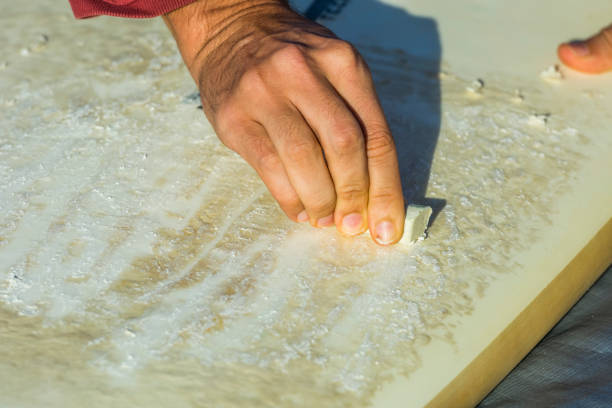
So next time you’re waxing up, take a second to look at those fins. They’re not just plastic or fiberglass; they’re your connection to the wave’s energy. They translate your intention into action. Swapping a set can make an old board feel brand new, turning a sluggish potato chip into a responsive rocket. Understanding fin systems is about taking control of your craft. It’s about moving beyond just riding a board to truly tuning your glide. In the endless pursuit of the perfect wave, don’t forget the perfect setup under your feet. It’s where the magic of control really happens. Now go get some.
Related Posts

Live Surf Cams

Surfline Live is a 24/7 glimpse into the world’s surf.

This stream moves through Surfline's global camera network, showing spots where it’s daylight and rated Fair or better.

What's The Deal With...?

The Surfing Life

Why are surf camps a great way to connect with people?

Surf camps throw you into the deep end, in the best way. You’re instantly with a tribe sharing the same stoke, struggles, and sunset beers. It breaks down barriers—you’re all there to learn and score waves together. The shared experience of early dawn patrols and wiping out creates instant, lasting bonds. It’s one of the fastest ways to build a global network of surf friends.

How do I fix the dreaded “kook arm” after popping up?

That flailing arm is all about balance and core engagement. Practice your pop-up on land, focusing on bringing both feet under you in one smooth motion while keeping your eyes up and your hands light. Imagine you’re springing into a low athletic stance, not doing a push-up. A strong, stable core is your secret weapon for a clean, controlled stand-up every time.

What’s the difference between just catching waves and soul surfing?

Soul surfing is all about the feeling, not the scorecard. It’s ditching the pressure to rip the biggest turn or get the clip. Instead, it’s about that pure stoke of gliding across the water, feeling the energy of the ocean, and being totally in the moment. It’s trimming on a clean wall at sunrise with just your thoughts. It’s the essence of why we paddle out—connection over competition, flow over force. It’s surfing for you, not for the ’gram.

Surf Lifestyle & Travel

What makes Costa Rica such a perfect wave magnet?

Costa Rica gets slammed by consistent, year-round SW swells, and its coastline is a crazy mix of beaches, points, and reefs that groom those swells into perfection. Add in warm water, offshore winds from the Caribbean, and the pura vida vibe, and you’ve got a surfer’s paradise. Whether you’re a grom learning at Tamarindo or a charger hunting hollow Pavones, there’s a dream wave with your name on it. It’s the ultimate surf trip where you can score without a 4/3.

What’s the craic with Ireland’s surf scene, dude?

It’s pure magic, brah! Ireland’s west coast is a raw, powerful playground with consistent Atlantic swells. Think empty lineups, craggy headlands, and water that’ll wake you up better than a double espresso. The culture is all about the stoke—friendly locals in cosy coastal villages, warm pubs post-session, and a deep respect for the mighty ocean. It’s not about tropical perfection; it’s about adventure and scoring epic waves in some of Europe’s most stunning landscapes.

When is the best time to score epic waves on the Goldy?

To chase the most consistent swell, aim for the winter months (March to September). That’s when the dominant east swells light up the points, creating those long, mechanical walls you see in the mags. Summer (December to February) brings warmer water and more tropical vibes, with cyclonic swells that can produce some sneaky-good days, especially at the beach breaks. Just watch out for the afternoon sea breezes that can chop it up.