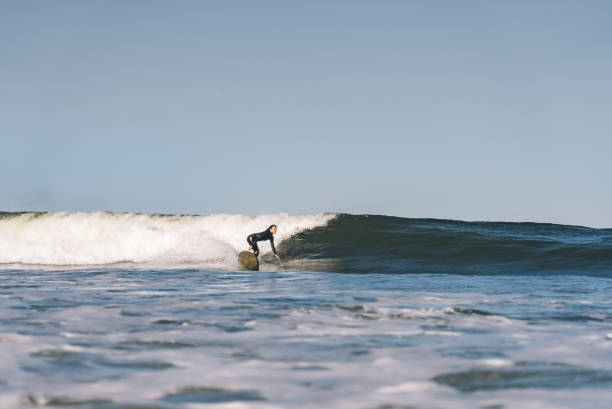
Let’s get one thing straight: your board is your partner in crime. It’s the magic carpet, the trusty steed, the thing that connects you to the energy of the ocean. You wouldn’t show up to a session with a rusty leash or a wetsuit full of holes, so why neglect the plank itself? Board maintenance isn’t just about fixing dings; it’s about respect. It’s about keeping that connection fresh, session after session, year after year. And to really get why it matters, you gotta understand where these things came from.
Think about the evolution. We went from heavy, water-logged slabs of wood to these high-tech, feather-light rockets. The old-school guys on their massive longboards had it rough—those things were tanks. A little crack? Probably wouldn’t even notice. But modern boards? They’re performance machines. That lightweight foam core and glass-thin resin shell are sensitive. They’re built for speed and response, not to be bashed around like a rental. Every pressure ding, every hairline crack, is a compromise. Water gets in, the foam gets soggy, and suddenly your lively stick feels deader than a doornail. It’s like driving a race car with flat tires.
So, first rule of keeping it fresh: the rinse. Saltwater is corrosive. It’ll eat at your fins, yellow your glass job, and weaken your repairs. A quick freshwater shower after every session isn’t just a nice thing to do; it’s mandatory. Get a cheap garden sprayer, keep it in the car, and give your board a proper soak. Dry it in the shade, too. Sun is another silent killer. UV rays bake the resin, making it brittle and discolored. A board bag isn’t just for travel; it’s a sunscreen for your sled.
Now, dings. They’re inevitable. You’re dancing with a reef, or a buddy’s board comes flying over, or you just have a bad day. The key is to fix them fast. Don’t be that guy with the duct-tape special that’s been leaking for a month. A waterlogged board is a heavy board, and it’s a one-way ticket to delamination city. Learning a basic ding repair is a rite of passage. Get a sun-cure kit, watch a few videos, and patch up the small stuff yourself. It’s satisfying, and it keeps your board watertight. For the big ones, the ones that look like a shark took a souvenir, take it to a pro. A good repair is an investment in the life of your board.
But maintenance goes deeper than the surface. Check your fins and plugs. Are the screws tight? Is the fin box cracked? A loose fin will kill your drive and can rip out completely. Your leash string and plug are your lifeline. If they look frayed or weak, replace them. It’s a five-minute job that could save your board from washing in alone.
Finally, think about storage. Don’t just chuck it in the garage rafters, resting on its tail or nose. Get a proper rack, or at least lay it flat on a couple of towels. Consistent pressure points can create permanent dents.
The bottom line is this. Surfboard evolution gave us incredible tools, but they need a little love. A well-cared-for board performs better, lasts longer, and maintains that sweet-spot feel. It’s about honoring the craft that went into it and ensuring it’s ready to go when that next swell hits. Keep it fresh, keep it watertight, and it’ll return the favor with endless stoke. Because in the endless summer, your board is your ticket to ride. Treat it right.