Reading the Waves: Wave Set Awareness
Live Surf Cams

Surfline Live is a 24/7 glimpse into the world’s surf.

This stream moves through Surfline’s global camera network, showing spots where it’s daylight and rated Fair or better.

What’s The Deal With…?

Surf Technique Deep Dive

Getting caught inside means you’re stuck in the impact zone when a big set starts unloading. It’s exhausting and dangerous. To avoid it, never turn your back on the horizon. After catching a wave, quickly assess if a set is lining up outside. If it is, paddle hard to get over the shoulder or straight back out, rather than sitting in the whitewater. Awareness is everything—stay frosty out there.

Look to the horizon, not just at the water in front of you. Watch for a darker, thicker line forming way out there. Often, you’ll see the horizon seem to “boil” or disappear as the set approaches. Also, keep an eye on the more experienced surfers in the water; if they suddenly start paddling with purpose toward the horizon, they’ve likely clocked a set. It’s about reading the subtle signs before they become obvious.

Don’t just charge straight out, brah. Watch for a few minutes first to time the sets. Your mission is to paddle like mad during the lull. When a set comes, don’t fight it—ditch your board (if it’s safe and no one’s behind you) and dive under the whitewater, or turtle roll on a longboard. Conserve your energy. The goal is to get past the break zone efficiently, not to win a battle with every single wave.

Surf Technique Deep Dive

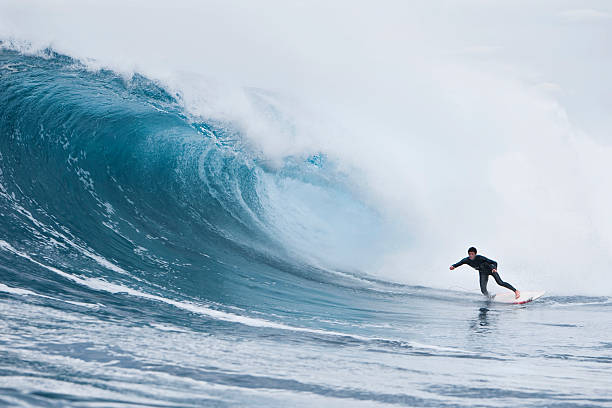
Knowing sets means you’re not just taking the first wave that comes. You understand that the best, cleanest, and often biggest wave is usually the second or third in a set. By being patient and counting the waves in a set, you position yourself for the prime wave instead of getting caught on a close-out and watching your buddies get the gem right behind it. It’s about quality, not just quantity.

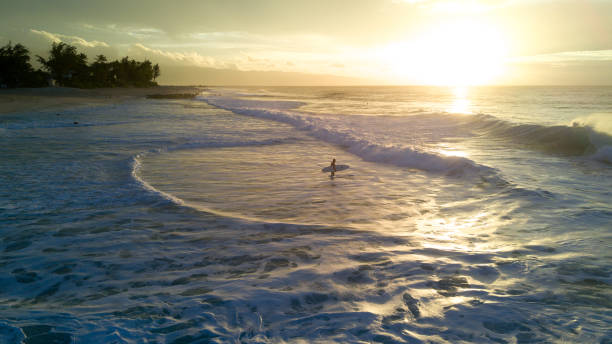
The peak—where the wave first starts to break—shifts with each set. Watch where the biggest wave of a set consistently starts to feather and pitch. That’s your target. Paddle to that general area and adjust based on what you see forming on the horizon. The lineup isn’t a fixed point; it’s a moving zone that changes with the tide and swell. Follow the sets, and you’ll find the sweet spot.

Tides and wind massively change how sets behave. A rising tide can make waves start breaking further in, while an outgoing tide can make them hollower. An onshore wind chops up the face and makes sets messy, while an offshore wind grooms them, holding the lip up. A set that was perfect an hour ago might be closing out now. Always factor in the changing conditions when reading what the next set might do.