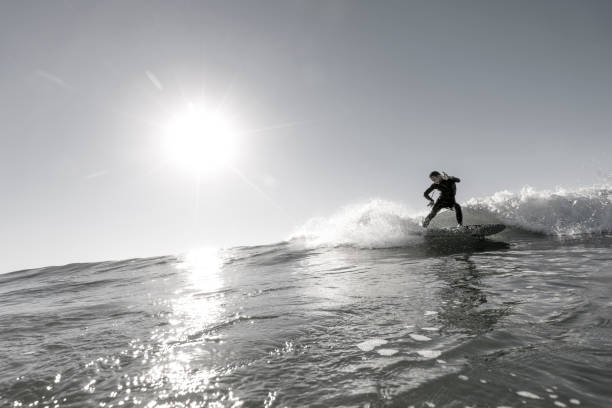
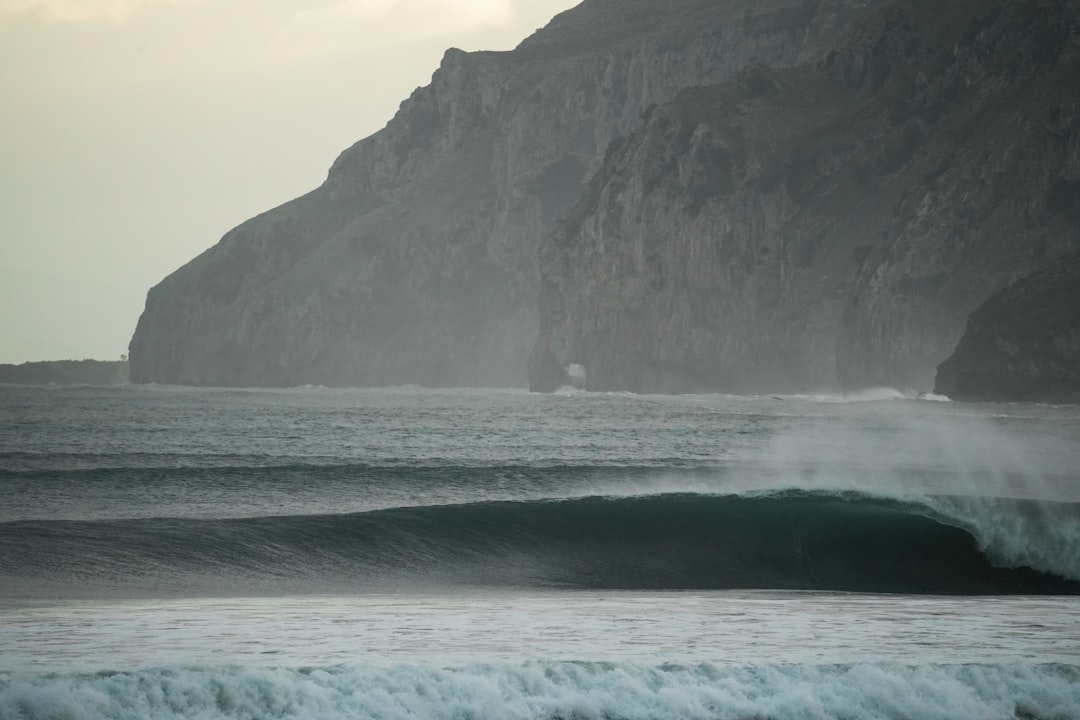
There’s a moment in every surf session that separates the frothing beginner from the salty regular, and it ain’t about how deep you can take off or whether you can thread a tube. It’s about the lull. That deceptive stretch of flat, glassy water when the ocean seems to hold its breath, and every surfboard in the lineup bobs like a cork in a bathtub. Most people check their watch, sigh, and start paddling toward shore thinking the sea has gone dead. But the lull ain’t death—it’s the drummer’s heartbeat between verses. The set is coming. The question is whether you’ve got the stoke to read the rhythm and the patience to let it build.
Wave set awareness is more than just staring at the horizon like a lighthouse keeper. It’s a full-sensory read of the ocean’s pulse. Every swell has a period, a measure of time between waves in a train, and every set has a gap between them that can stretch anywhere from a few minutes to a solid quarter-hour. That gap is your window, your breathing room, your chance to reposition. But most surfers treat it like empty time, not valuable time. They either drift toward the beach or paddle around aimlessly, burning energy that could be saved for the moment when the horizon suddenly darkens and the water begins to lift.
The key to the lull is understanding that it never arrives at random. The ocean follows patterns, messy and wild as they are. A set with three or four solid waves will push a bunch of water toward the shoreline, and that water needs to drain back out before the next deep-water swell can stand up on the reef or sandbar. That drain-back creates a pull, a subtle tug on your leash and an odd swirling current that feels like the sea is trying to tell you something. When you feel that pull, that’s your cue to be moving. Not paddling for every ripple, but gliding, scanning, and finding your spot relative to the peak that’s about to wake up.
There’s a sweet spot in the lineup where you want to sit when the lull hits its peak. Not too far outside or you’ll be on the shoulder when the set finally arrives, watching the wave peel away without you. Not too far inside or you’ll get clipped by the first wave of the set, forced to duck-dive like a madman and miss the second or third wave that’s always the best. The experienced surfer uses the lull to read the signs: the dark patch of water a hundred yards out that indicates a larger mass approaching, the way the underlying swell starts to steepen, the sudden change in wind texture on the face of a ripple. That’s the “tell.“ When the ocean gets a little quieter than it was a moment before, when the small waves stop coming altogether, that’s not dead water—that’s a loaded spring.
The biggest mistake rookies make during a lull is giving up on their spot. They see others catching a wave on a different peak, or they feel the current pushing them toward the channel, and they let fear or boredom win. But sets are like headlands—they have a favorite peak, a place where the sandbar or reef focuses the energy. If you abandon that peak during the lull, you’ll be too far away when the set wraps around and throws its first solid right-hander. You gotta trust the lull. You gotta let it work for you. Paddle a few strokes to stay on your mark, keep your eyes on the deepest blue, and let your board sit still enough that you feel the subtle rise of the ocean beneath you. That rise is the first breath of the next set, long before you see any whitewater on the horizon.
Of course, the lull also tests your heart. When you’ve been sitting for twenty minutes, when the sun is beating down and your legs are cramping from the straddle, it’s easy to convince yourself that the ocean has gone flat forever. That’s when the mind starts to wander, and the moment you lose focus, the cleanup set arrives. The biggest waves in any session usually come after the longest lull. The ocean banks its energy, holds it back, then unloads everything at once. The surfer who stays sharp during the lull is the one who sees that extra-dark lump on the horizon, feels the water suddenly take a deep breath, and starts paddling with calm, measured strokes before anyone else even turns around.
The lull is not an obstacle to surfing—it’s the very thing that makes surfing possible. Without the pause, there’d be no order to the chaos, no way to position yourself, no rhythm to catch. Every set wave owes its existence to the silence that preceded it. So next time you’re sitting in the lineup and the water goes glassy and flat, don’t curse the ocean. Thank it. Take a breath. Let your board settle. And when that first wave of the set starts to feather on the horizon, you’ll already be moving, not because you saw the wave, but because you felt the lull end.