Kook: The Beginner's Blunder
Live Surf Cams

Surfline Live is a 24/7 glimpse into the world’s surf.

This stream moves through Surfline’s global camera network, showing spots where it’s daylight and rated Fair or better.

What’s The Deal With…?

Surf Lingo Explained

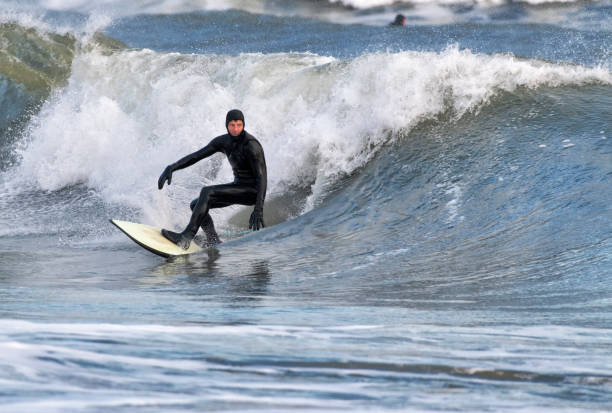
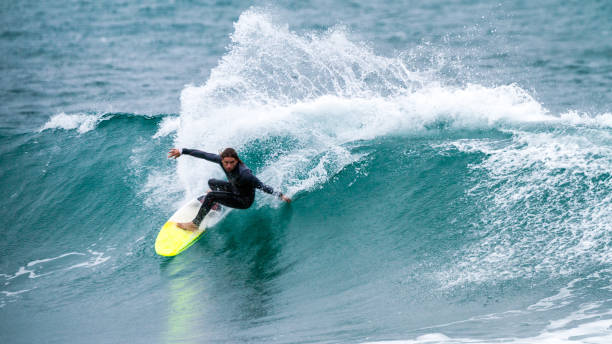
Only after you can consistently catch waves, pop up with stability, and ride straight toward the beach in the whitewater with control. Turning requires you to shift your weight onto your rails, which is a more advanced balance act. Start on a gentle, crumbling section of whitewater: gently press down on your toes or heels to see how the board responds. Don’t force it. The turn will come naturally as you get more comfortable moving on the wave. Rushing to slash like Kelly is a surefire way to eat it.

Because volume is your friend when you’re starting out. A bigger, thicker board—like a funshape or a longboard—is more stable, paddles faster, and catches waves way easier. It forgives your mistakes in balance and timing. Trying to learn on a short, low-volume potato chip is the ultimate blunder; you’ll spend all your time paddling and no time riding. Get a proper foam-top to build your confidence and skills. You can always downsize later when your wave-reading and pop-up are automatic.

Before you even think about standing, master the pop-up on the sand. Then, in the whitewater, focus on catching broken waves while lying on your board—this is called “prone riding.“ It’s all about getting comfortable with the ocean’s motion, learning how to position your body on the log, and feeling the wave push you. This foundational step builds paddle strength, balance, and wave sense without the pressure of dropping in. Skipping this is a classic kook move that leads to endless pearling and frustration.

Surf Lingo Explained

You’re likely too far forward on your stick or trying to catch waves that are already too steep. Scoot back a bit on your board to keep the nose from pearling. More importantly, start paddling earlier, the moment you feel the wave lift your tail. You need momentum to match the wave’s speed. Think “paddle hard, then pop” rather than just hoping the wave will do the work for you. It’s a timing and positioning game that every surfer has to dial in.

Practice on land, every day. Muscle memory is key. Lie on your stomach, hands by your ribs, and in one smooth motion, push up and spring your feet under you. Avoid the “kook crawl” where you bring a knee up first. The motion should be a quick, fluid “pop,“ not a slow climb. On the water, look where you want to go (down the line, not at your feet) as you come up. A clean, fast pop-up sets you up for everything that follows on the wave face.

Dropping in on someone is the cardinal sin. The surfer closest to the peak—where the wave first breaks—has the right of way. If you take off in front of or “burn” them, you’re ruining their ride and creating a dangerous situation. Other kook classics include ditching your board (always hold onto it!) and paddling straight back out through the lineup. Always paddle around the breaking waves to avoid getting in the way of riders. Respect in the water is everything.