You paddle out on a glassy morning, the kind where the offshore breeze is combing the faces into perfect walls. There’s a nice little set stacking up on the outside, and you’ve got a spot in the lineup. The vibe is mellow. Then, out of nowhere, a new face on a rented foamie strokes hard for the same wave you’re already committed to. They paddle right over the top of you, drop in right on your back, and nearly clap your skull with their rail. Welcome to the drop-in, the single most recognizable badge of the kook. It is the cardinal sin of the surf zone.
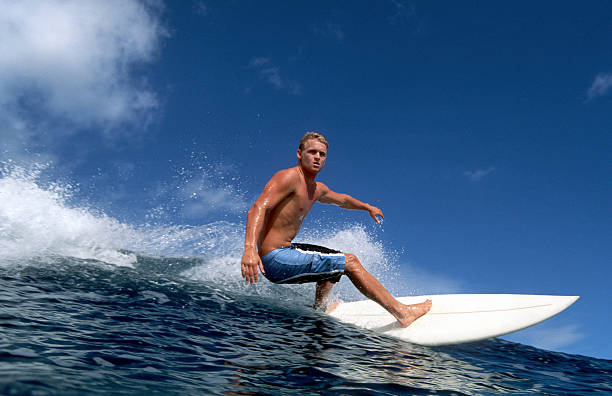
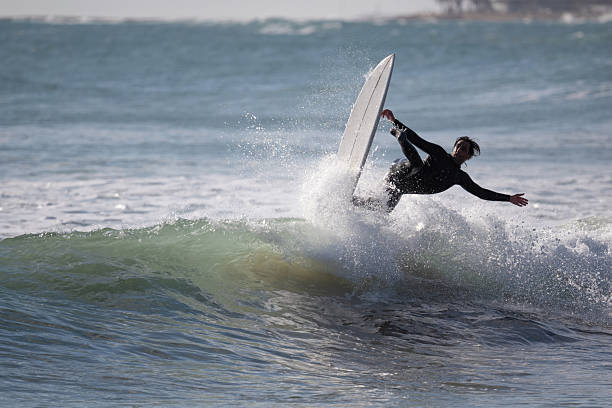
In the world of Surf Lingo, the term drop-in refers to when a surfer takes off on a wave that another surfer is already riding, specifically from deeper on the peak. This is not a brotherly share; it is a full-on theft of momentum and stoke. For the experienced surfer, getting dropped in on is the fastest way to turn a dreamy session into a fuming one. For the beginner, doing the dropping usually comes from sheer ignorance, but the ocean does not care about intent. The wave is the currency, and stealing it makes you a kook.
It all starts with a misunderstanding of priority. In the lineup, priority belongs to the surfer who is deepest, closest to the peak where the wave first breaks. That surfer has the right of way. If you are sitting on the shoulder of a set wave, you do not have dibs. You are the guest, waiting for the host to pull in or pull out. The moment you paddle for a wave while another surfer is already up and riding, you have violated the most basic tenet of surf etiquette. You have become a drop-in artist.
Why is this such a big deal? First, it is a safety hazard. A surfer on a wave has a line, a trajectory. They are committed. If you slide in front of them, you are crossing their path. At best, you cause a collision that messes up the ride for both of you. At worst, you hit heads, you dig a fin into a face, or you get your board launched at someone. Surfing is dangerous enough without people playing chicken with the takeoff zone. The drop-in creates a nightmare of tangled leashes and cracked epoxy.
Second, it kills the rhythm of the session. Good waves are like gold in a river. They are rare. When a kook drops in, they are not just ruining that one wave; they are ruining the flow. The surfer who got burned is now frustrated, their moment of zen shattered. The lineup gets tense. People start shouting. The mellow vibe evaporates faster than a tide pool at noon. Surfing is about sharing the ocean, but sharing means waiting your turn. A drop-in says, “My wave is more important than yours,“ and that attitude is the soul of the kook.
So how do you spot a classic beginner drop-in? Look for the wide-eyed panic. A new surfer sees a wave lumping up on the horizon and their brain goes blank. They forget about the man on the inside. They paddle with the energy of a spooked seal, completely oblivious to the surfer already sliding down the line. The experienced surfer will yell, “Go! Go!“ or “Hold!“ to warn you. If you hear that, pull back. Do not be the guy who takes off when someone is already riding. It is better to eat a little foam on the shoulder than to be the villain of the session.
The remedy is simple but takes humility. Sit a little deeper than you think you need to. Watch the lineup and see who is catching waves. If a set comes and a good surfer is inside you, let them go. Paddle for the second or third wave of the set, or simply take the leftovers on the shoulder. The goal is not to catch every wave; the goal is to catch waves without ruining everyone else’s morning. A true surfer earns their waves by waiting, by reading the ocean, by respecting the hierarchy of the peak.
The drop-in is the first loud lesson in surf karma. Every time you drop in on someone, you are leaving a little bit of bad stoke in the water. But every time you pull back, you earn respect. You stop being a kook and start being a local. So next time you paddle for a set, take a deep breath. Look left. Look right. Make sure you are not about to drop into someone else’s dream ride. That is how you go from being the guy everyone groans at to the guy everyone smiles at in the lineup.