Goofy-Foot vs. Regular-Foot

Live Surf Cams

Surfline Live is a 24/7 glimpse into the world’s surf.

This stream moves through Surfline’s global camera network, showing spots where it’s daylight and rated Fair or better.

What’s The Deal With…?

Surf Technique Deep Dive

Usually, yes! Your stance tends to be consistent across all board sports. If you skate or snowboard regular, you’ll almost certainly surf regular. The muscle memory and balance are very similar. If you’re completely new to all board sports, surfing is the purest way to find your natural stance because the wave itself will tell you how you need to stand to balance and drive. It’s the original test.

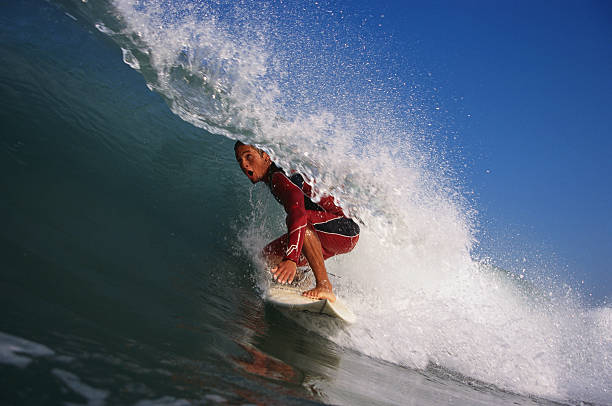
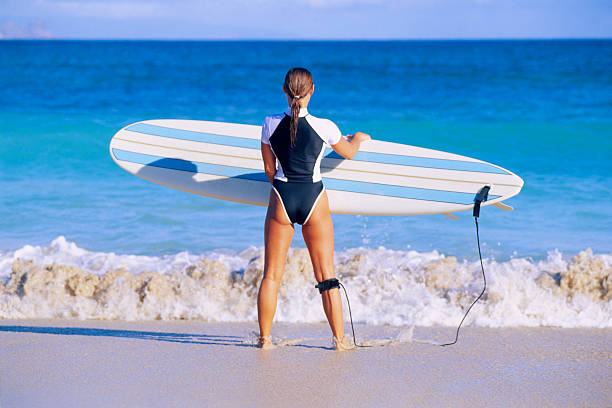
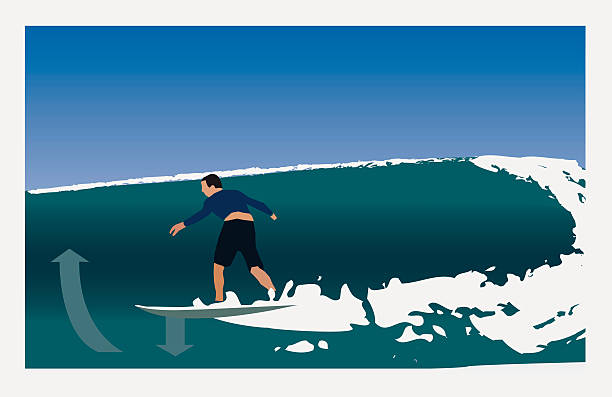
It’s all about which foot you put forward on the board. If you naturally ride with your right foot forward, you’re “goofy-foot.“ If you lead with your left foot, you’re “regular.“ There’s no right or wrong—it’s just your natural stance, like being left or right-handed. You can figure it out by which foot you step forward with when you slide on ice or by having a friend give you a gentle shove from behind; the foot you put out to catch yourself is likely your front foot.

The name’s origins are a bit fuzzy, but the most popular story ties it to cartooning! In the 1930s, Disney’s Goofy was often animated surfing with his right foot forward. When surfers in Hawaii and California saw it, they started calling that unnatural-looking stance “goofy-foot.“ Before that, right-foot-forward riders were sometimes called “kook-foot.“ The name stuck, and now it’s a core part of surf lingo without any real negative vibe—it’s just a fun label for a natural stance.

Surf Technique Deep Dive

For the most part, no. Modern surfboards and fin setups are symmetrical, so they work identically for goofy and regular riders. The only time it matters is with specialized, asymmetrical boards (which are rare) or if you’re setting up a twin-fin with toe-in (angling the fins slightly forward). For 99% of surfers, you don’t need to think about it. Just grab a board that fits your skill level and local waves—it’ll work for your stance, promise.

The classic test is the slide test. On a smooth, slippery floor (or even a patch of grass), take a running start and slide. Whichever foot you naturally put forward to lead the slide is your front foot for surfing. Another easy way is to imagine kicking a ball; your plant foot is typically your back foot on a board. Don’t overthink it! Your body already knows, and your first instinct on a wave will usually reveal your true stance.

Totally, and it’s a rad skill to have! Riding switch-stance (or “fakie”) means a goofy riding regular or vice-versa. It feels super awkward at first, like writing with your opposite hand, but it opens up new lines on a wave and helps your overall board control. Start by practicing on a longboard in tiny, mellow mush. It strengthens your weak side and makes you a more versatile surfer. Many pros train switch to improve their balance and for specific maneuvers.