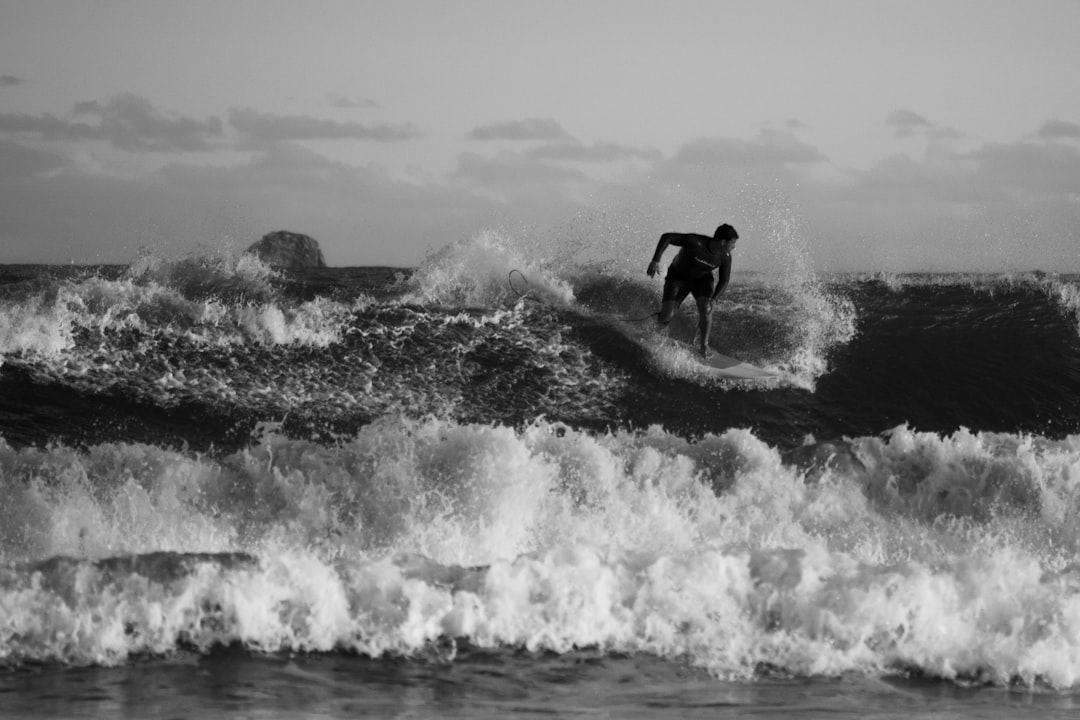
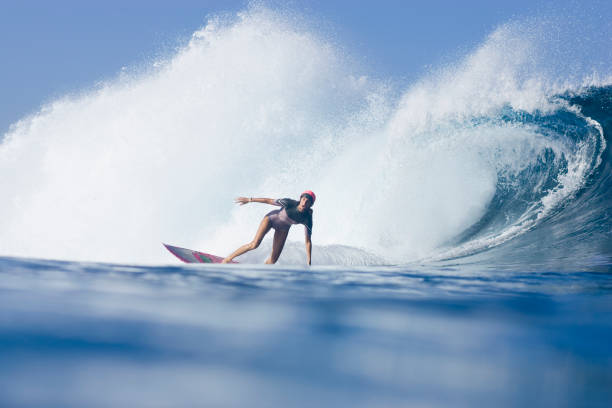
You ever watch a guy who makes the bottom turn look like the whole wave is bending to his will? He drops in, sets that rail, and just launches out of the pocket like he’s got a personal agreement with the ocean. Then you paddle out, catch a wave, try to do the same thing, and end up skimming flat or sliding out into the flats with zero drive. The difference ain’t strength or courage, brah. It’s about reading the wave face before you even start that turn. The bottom turn is your setup move, the foundation of every carve, hack, and tube ride you’ll ever make. If you don’t read the face right, you’re just guessing, and the wave will school you every time.
So what does it mean to read the wave face? It’s not some mystical surf-shaman thing. It’s all about spotting the subtle clues in the water’s texture, angle, and speed as you’re dropping in. The face is like a map, and if you learn to trace it, you’ll know exactly where to plant your fins and how much pressure to throw down. The first thing you’re looking for is the steepest section of the wave, the part that’s about to pitch or is already walling up. That’s where the energy is. Your bottom turn should arc you right under that steepest part, not way out in the flats where the wave’s grunt has already died. Watch the lip as you take off. If it’s throwing a bit ahead of you, you know the pocket is shifting. Adjust your line so that your bottom turn projects you back toward that pocket, not away from it.
Another key read is the wave’s face angle. Some waves have a steep, hollow face that requires a quick, hard pivot. Others are soft, fat shoulders that need a drawn-out, sweeping bottom turn to generate speed. If you try a snappy, vertical bottom turn on a mushy wave, you’ll just bog down and lose all your momentum. Instead, you’d want to drop lower, slide your board up the face with a longer arc, and use the whole wall to build speed. On a hollow wave, you’ve got to be quicker. You’re reading the compression of the wave, where the water sucks up and the face gets vertical. That’s your signal to plant that back foot, roll your ankles, and carve off that bottom with maximum drive.
Don’t forget to read the wash and the foam too. That whitewater is telling you something. If it’s still boiling up the face near your takeoff, the wave isn’t fully formed yet. Going for a bottom turn too early means you’re turning in recycled mush, not clean face. Wait for the wave to stand up. Watch the water clear and suck up off the sand or reef. That glassy, smooth stretch right before the steep section is your ticket. That’s where you want to place your bottom turn. You’ll feel the fins bite into that clean water, and the board just wants to whip around.
Also, look down the line, not just at your immediate section. The bottom turn sets up not just your next move, but the two or three moves after that. If you see a section further down that’s about to close out, you might want to put more punch into your bottom turn so you can launch over it or get under the curtain. If you see a clean shoulder opening up, you can draw out your turn and lay it on rail for a longer, flowing carve. Reading the wave face is about forecasting, brah. You’re not just reacting to what’s right in front of you. You’re reading the whole canvas and painting your line accordingly.
Finally, the most underrated part of reading the face is feeling the water under your board. That’s your direct line to the ocean’s pulse. As you drop in, you’ll feel the water pushing against the bottom of your board. That pressure tells you how steep the face is and how much speed you’ve got. If you feel that push building, it’s time to turn. If it feels mushy and weak, you need to adjust your angle or pump a little before you set your rail. Good surfers read the wave face with their feet as much as their eyes. They let the board talk to them, and they respond.
So next time you paddle into a wave, slow down your mind and sharpen your eyes. Spot the steepest part, feel the compression, read the foam, and look ahead. Then when you plant that bottom turn, you’re not just going through the motions. You’re riding the wave’s energy like a surfer who actually sees the ocean, not just the surface. That’s how you set up a ride that flows, that snaps, that truly hums. And that, my friend, is the difference between a turn and a turnaround.