Duck Diving: Submerging for Sets
Live Surf Cams

Surfline Live is a 24/7 glimpse into the world’s surf.

This stream moves through Surfline’s global camera network, showing spots where it’s daylight and rated Fair or better.

What’s The Deal With…?

Surf Technique Deep Dive

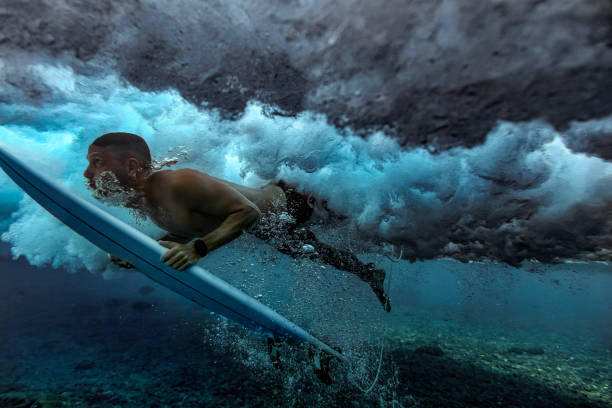
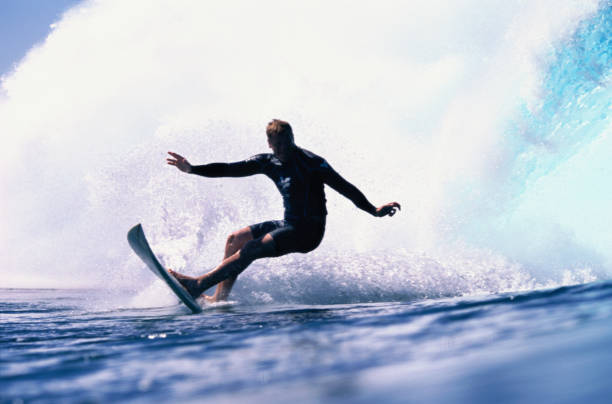
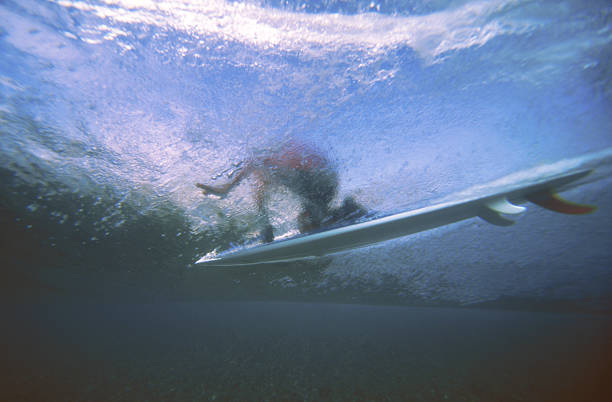
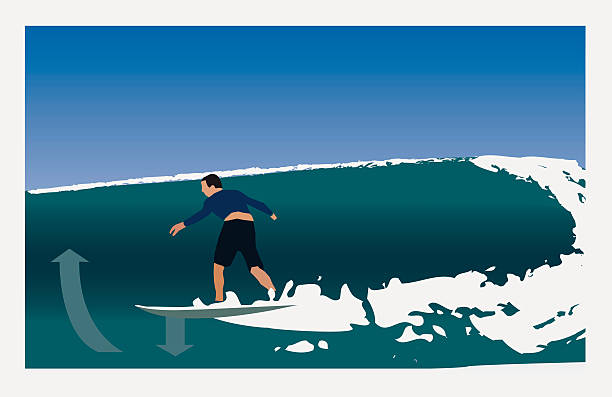
It’s your submarine move. When a wall of whitewater is about to slam you, you use your board’s buoyancy against itself. You shove the nose down, get your body deep, and let the wave’s energy pass right over you. The key is timing and using your knee or foot to sink the tail. Master this, and you stop wasting energy fighting foam and start saving it for riding clean faces. It’s the essential paddle-out skill for shortboards and many funboards.

You gotta commit and get that tail down, bro! After you press the nose under, immediately follow through by planting a knee or your foot on the tail pad to submerge the whole board. Arch your back and get your body deep, almost like you’re doing a little underwater push-up. The wave’s force will want to rip it from your hands, so keep a solid grip on the rails. It’s about being assertive—hesitate, and you and your board get launched backward.

You want a clean, angled spear, not a belly flop. As you paddle to meet the wave, take one or two strong, deep strokes to build momentum. Grab the rails near the front of your board (around chest-width apart), then in one fluid motion, push the nose down at about a 45-degree angle while shifting your weight forward. Your body follows the board’s path under. A clean entry slices through the surface tension and gets you deeper with less effort. It’s all about that smooth, committed motion.

Surf Technique Deep Dive

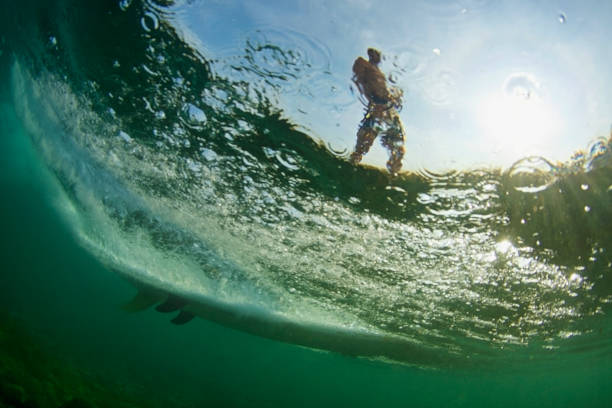
Totally, it becomes a “stall dive” or “eskimo roll.“ On a longboard or big foamy, you can’t fully sink it. Instead, you roll the board on its side as you submerge your body, letting the wave pass over both you and the tilted deck. You use the board’s momentum to help you go under. It’s less about forcing it down and more about getting yourself deep and letting the board slice through the water sideways. It’s a finesse move for the log-riding crew.

Abso-bloody-lutely. A smooth, efficient duck dive means you get out back faster and with less gas in your tank. You spend less time battling the impact zone and more time lined up in the take-off spot. When a set comes, you’re not gassed from being pummeled—you’re ready to spin and go. It also lets you hold your position in a critical lineup instead of getting swept inland. It’s not just defense; it’s offensive wave-catching strategy.

They just push the nose straight down and let go, which is a recipe for getting the board yeeted back at them. They forget the crucial second act: sinking the tail. Without that, the board’s buoyancy wins, and it rockets to the surface into the wave’s worst power. Another classic error is starting the dive too late. You need to initiate just before the wave hits—if you’re already in the whitewater’s grip, it’s too late, mate. Practice makes permanent.