Choosing the Right Board Size
Live Surf Cams

Surfline Live is a 24/7 glimpse into the world’s surf.

This stream moves through Surfline’s global camera network, showing spots where it’s daylight and rated Fair or better.

What’s The Deal With…?

Surfboard Evolution

The mythical “quiver killer” is a dream, but most boards are designed for a specific range. A funboard or a hybrid comes closest, handling a variety of conditions decently. But for optimal performance, you’ll eventually want different sticks. A small-wave board, a daily driver, and a step-up for bigger days cover most bases. One board can get you in the water, but a small quiver lets you dance on whatever the ocean serves up.

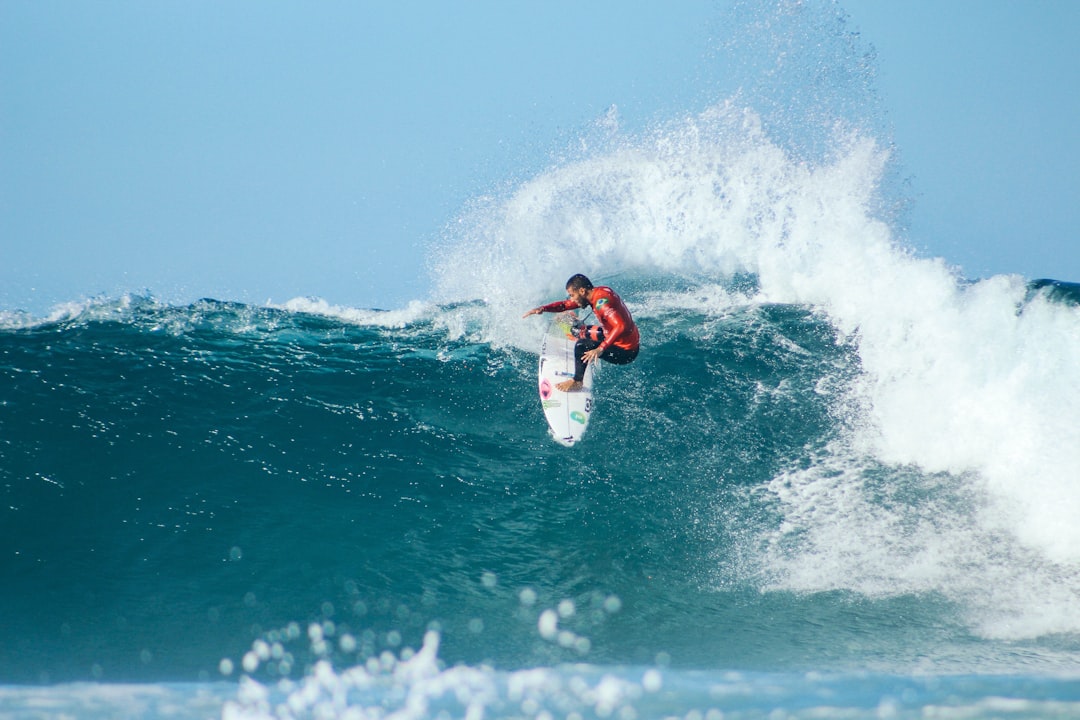
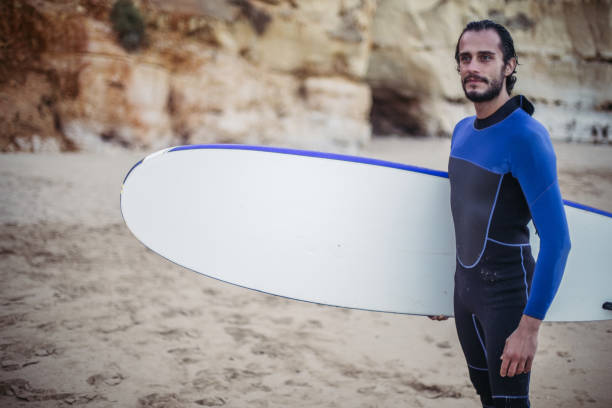
Shortboards (under 7’) are high-performance: fast, sharp turns, but hard to paddle. Fish are short, wide, and thick, with a twin-fin setup for insane speed in small waves—super fun! Funboards (7’-8’) are the sweet spot for many: they paddle like a longboard, turn easier, and are great for progressing. It’s about the wave and your style. Want to rip? Shortboard. Want smiles in knee-high surf? Fish. Want a do-everything cruiser? Funboard.

Wider boards offer more stability and better paddle power due to increased planing surface. They’re fantastic for small waves, beginners, or surfers wanting a relaxed ride. The con? They can feel a bit “sticky” on turns, lacking the snappy responsiveness of a narrower board. If you’re looking to do radical top-turns or carve tight arcs, too much width can hold you back. It’s a trade-off between stability and high-performance maneuverability.

Surfboard Evolution

Volume, measured in liters, is your board’s overall foam. It’s the magic number for float and paddle power. More liters mean an easier paddle, a more stable platform, and better wave-catching, especially for beginners or in smaller waves. As you progress, you’ll likely drop volume for more maneuverability. Think of it like this: high volume is your reliable friend on a mellow day; low volume is for when you want to really throw the board around.

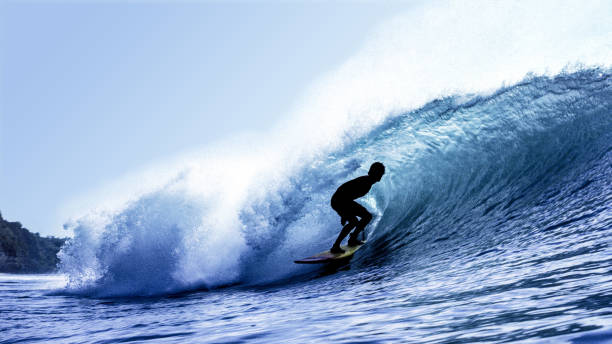
Bigger, powerful waves demand a board that can handle speed and make critical drops. You’ll want a narrower, more pulled-in shape (like a step-up or gun) for control. For small, mushy waves, you need planing surface: go wider and thicker (like a fish or groveler) to generate speed. Don’t try to ride your small-wave board in overhead barrels—it’ll feel sketchy. Match your stick to the conditions for the best session.

Rocker is the curve from nose to tail. More rocker means a board that fits into steeper wave faces, turns tighter, and avoids “pearling” (nose-diving). It’s great for pitching waves. Less rocker means a faster, more glidey board that excels in flatter waves. A flat board is speedier but harder to turn in the pocket. For general use, a moderate rocker is a safe bet. Go for more if you’re charging steep waves, less for small, slow surf.