The whole surfboard evolution thing is rad, but let’s be real—most guys and gals out there are still trying to figure out how a board that looks the same length as their buddy’s can feel totally different under their feet. You can stare at length charts all day, but the true heart of choosing the right board size isn’t really about how many feet and inches the thing measures from nose to tail. It’s about volume, man. That’s the foam volume, the liters of float, the amount of displacement that decides whether you’re gonna be dropping in with confidence or sinking like a thresher shark’s lunch.
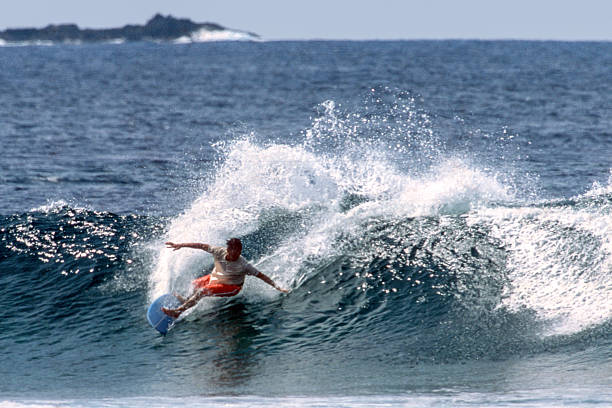
Think of it this way. You could have two boards that are both six-foot-two. One is a performance shortboard from a guy like Tomo, super thin, narrow, and pulled-in. That board might be around 24 to 26 liters. The other is a groveler, maybe a little wider in the chest, a little thicker through the middle, with some extra foam in the rails. That same six-two board could be pushing 32 or even 35 liters. Same length, totally different animals. One is a racehorse for a 160-pound shredder in overhead barrels, and the other is a fun sled for the same guy when the waves are knee-high and gutless. That’s volume doing the talking, not the tape measure.
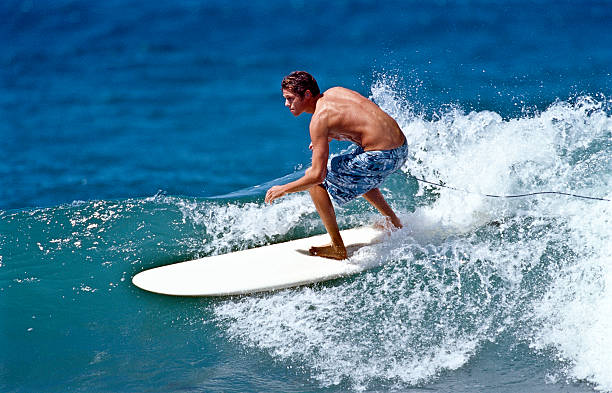
When you’re paddling out, volume is everything. It’s the difference between feeling like the board is helping you catch the wave versus fighting you every stroke of the way. A board with more liters floats higher in the water. That means less drag, easier planing, and earlier entry into the wave face. You feel it in the pop-up, too. A high-volume board sits closer to the surface, so you’re not sinking your arms and your chest into the water just to stand up. You get that smooth, one-motion transition. That’s what we call “foam assist,” and it’s a lifesaver for intermediate surfers trying to get more waves per session.
But here’s where the evolution of surfing has really dialed things in. Back in the sixties, when The Endless Summer boys were chasing the sun, a longboard was a longboard. You had a 9’6” log, and that was that. There wasn’t much talk about liters because we didn’t have the computer shaping or the EPS foam technology to really dial it in. Today, every shaper worth their salt talks about volume distribution. You can have a board with a ton of liters, but if that foam is all in the nose, you’re gonna pearl. If it’s all in the tail, it’s gonna feel sluggish. The best boards spread the volume with a nice, healthy bump under the chest area, right where your harness sits. That’s your “pocket foam,” the sweet spot that keeps you gliding.
So how do you find your own volume sweet spot? There’s a general rule of thumb that’s been floating around for years. If you’re a beginner, you want roughly your body weight in liters. A 180-pound surfer hunting for foam should be looking at something between 45 and 55 liters. That sounds like a lot, but trust the process. That’s a big, thick, floaty board that makes learning a million times easier. As you get better, you start dropping volume. Maybe you’re an intermediate surfer around 170 pounds, and you’re starting to carve, hit the lip, get a little vertical. You might drop down to 30 to 35 liters. That’s a performance shortboard range. The wave has to provide a little more push, but the payoff is snappier turns and better rail engagement.
But don’t get too caught in the math. Volume isn’t an exact science, and it changes with your skill level, your local break, and even your age. A fatter, older guy who’s been surfing for twenty years might still ride a 40-liter board just because he wants the extra paddle power and the easier takeoff. A grom who is 140 pounds soaking wet might ride a 22-liter board because he’s got the motor and the timing to make it work. The key takeaway? Don’t get hung up on the length. Get hung up on the float. When you’re shopping for your next stick, ask the shop rat or the shaper, “What’s the volume in liters?” That one number tells you more about how the board will paddle, catch waves, and plane than any other single piece of data.
The truth is, the endless summer lifestyle is about getting as many rides as you can. It’s about chasing that feeling of weightlessness, that glide. The right size board, in terms of volume, is the tool that unlocks that feeling. Too little foam and you’ll be frustrated, missing waves, feeling like you’re fighting the ocean. Too much foam and you’ll be riding a barge, unable to tuck into the pocket or hit a decent snap. Find your volume, and you find your flow. That’s the real evolution. From the heavy redwood planks of the old Hawaiians to the lightweight epoxy we ride today, the quest has always been the same: more glide, less struggle. And it all starts with those beautiful, precious liters of float.