Board Maintenance: Keeping it Fresh
Live Surf Cams

Surfline Live is a 24/7 glimpse into the world’s surf.

This stream moves through Surfline’s global camera network, showing spots where it’s daylight and rated Fair or better.

What’s The Deal With…?

Surfboard Evolution

Totally. A ripped or damp bag offers zero protection from dings, sun, and pressure during travel. A quality bag with padded rails and a waterproof lining is your board’s first line of defense, whether it’s in the van or getting tossed by airline baggage handlers. Think of it as a wetsuit for your stick—essential gear for keeping it pristine. Don’t cheap out; a good bag saves you money on repairs down the line.

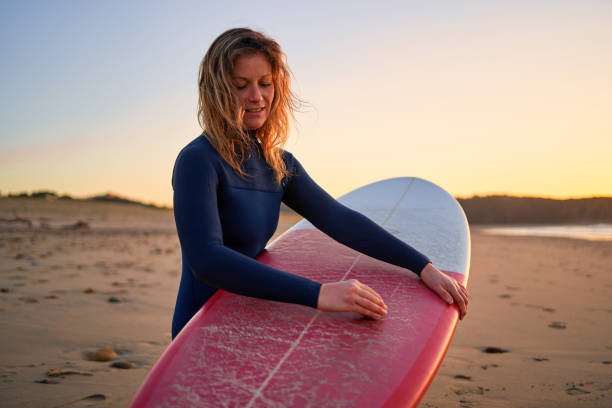
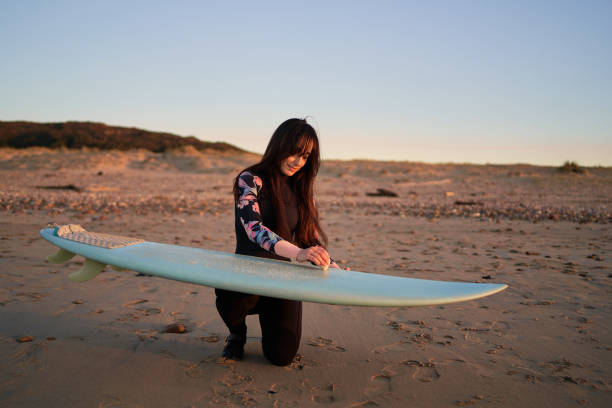
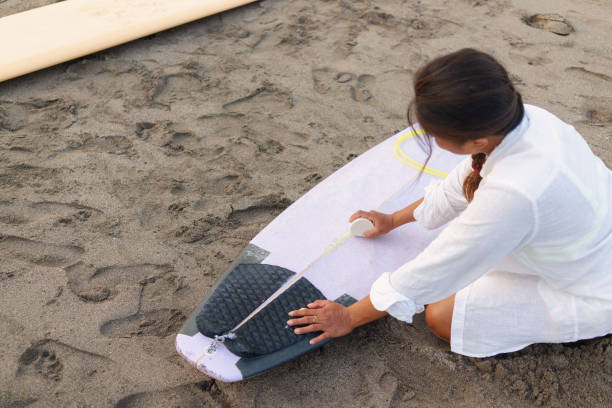
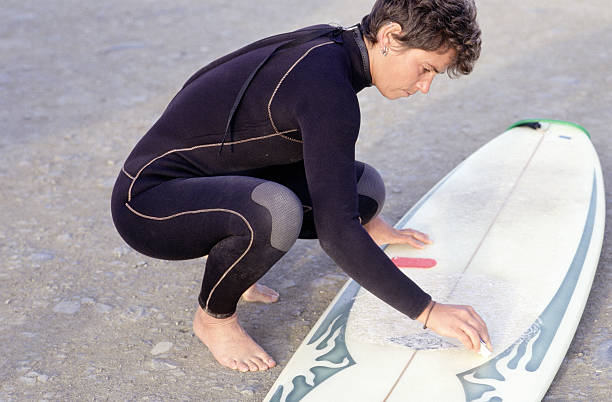
Listen to your feet! When the wax gets dirty, smooth, or melts into a slick mess, it’s time for a fresh coat. Old wax loses its grip, turning your deck into a slip ’n slide on a critical drop-in. A good rule is a basecoat for a new season or travel spot, and a light topcoat every few sessions depending on the heat. Scrape off the old gunk first for the best stick. Good traction equals more confidence to charge.

Don’t just chuck it in the garage! Find a cool, dry place away from direct sunlight and temperature swings. Stand it upright on its tail, or store it flat on a rack with wide supports. Never leave it leaning on its rail or resting on a hard point, as this creates pressure dings. Give it a full wax scrape and a clean before you stash it. A little TLC now means it’ll be water-ready when the next swell hits.

Surfboard Evolution

The sun is a total board killer, bro. UV rays break down the chemical bonds in the resin, making it brittle and yellow—this is called “chalking.“ A chalky board loses its strength and watertight seal. The foam inside can also get cooked, leading to delamination (where the fiberglass separates from the foam). Always throw a towel or bag over it on the beach or in the truck. A little shade goes a long way in preserving your favorite plank’s life and pop.

Those little thumbprint dents aren’t just cosmetic, they’re performance suckers. Every pressure ding is a weak spot where water can eventually seep into the foam core. A waterlogged board feels heavy, sluggish, and loses its spring. It’s like trying to pump down the line with a lead weight. Fixing small dings with Solarez or a sun-cure kit is quick and prevents a major, costly repair later. Keep it tight, keep it light.

A half-arsed repair with duct tape or glue is a temporary fix that causes long-term damage. Water will sneak in, rot the foam from the inside out, and create a much bigger problem. A proper repair with resin and glass restores the structural integrity and the watertight seal. It keeps the board’s flex pattern true and prevents the dreaded “ding spread.“ Do it right the first time, or take it to a shaper who can.