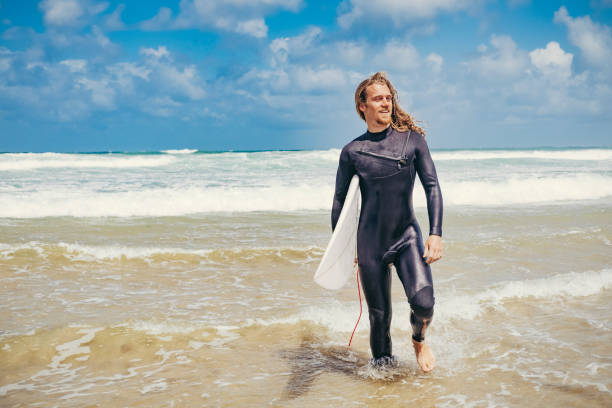
You paddle out on a glassy morning, the horizon clean and blue, and you feel that familiar warmth on your shoulders long before the first wave swings through. It’s the endless summer calling, the same one Mike Hynson and Robert August chased across the globe. But while your skin is getting that bronze sheen, your favorite shortboard is getting hammered. The sun that makes the surf so inviting is also the silent enemy sitting on your roof rack, baking your stick to a crisp. That subtle yellow tint creeping into the foam, that slight crunch when you run your hand over the deck—that’s suncruft. And if you want to keep your quiver fresh for that elusive southeast swell, you have to learn how to hunt the shade just as hard as you hunt the waves.
Let’s start with the science, but keep it mellow. Modern surfboards are mostly polyurethane or epoxy foam wrapped in fiberglass and polyester or epoxy resin. That foam is closed-cell, which gives it buoyancy and a nice lively flex under your rails. But every time you leave your board sitting in direct sun, the ultraviolet rays start breaking down the chemical bonds in both the resin and the foam. The resin oxidizes, turning brittle and developing micro-cracks that let water seep in slowly over time. The foam itself becomes more prone to yellowing and eventually gets a sort of cork-like texture near the stringer. That’s when you start feeling the board lose its pop, like that magic snap on a cutback just isn’t there anymore. A fresh glass-on fin feels solid; a sun-baked board feels dead.
Here’s the thing about evolution in surfboard design—the materials have gotten lighter and more performance-oriented, but they haven’t gotten tougher against the elements. In the longboard days of the 1960s, a heavy slab of balsa with a thick gloss coat could take a beating. Modern EPS foam and glass-thin laminates are built for a weightless feel and maximum flex, not for baking on a sand covered truck bed. So if you’re riding a new school potato chip with a single concave and a super thin glass job, one afternoon in full sunlight can start the delamination process. That’s where bubbles form under the skin as the expanding air pockets separate the resin from the foam. Once delam sets in, she’s never quite the same.
The fix is dead simple, almost too simple. First off, never leave your board on the beach in direct sun. Even if you think you’ll be back in twenty minutes, that’s enough time for the resin to soften and a grain of sand to embed itself in the deck. You know that feeling when you get a pressure ding from someone’s elbow in the lineup? Sand is worse because it acts like sandpaper inside the resin when you slide your hand over it. So find some shade. If the beach is a wide open stretch of white sand and you can’t duck under some beach grass, set your board deck down so the sun hits the bottom glass instead of the rails and stringer. A board bag is the best investment next to a good leash. A simple day bag or a sock with UV protection will double the life of any stick.
After the session, rinse the salt off with fresh water. That’s a no brainer, but do it in the shade. If you rinse under a blazing tropical sun, the water droplets act like little magnifying glasses and concentrate the UV rays right into the glass. You can actually see little burn spots if you aren’t careful. Dry the board with a soft towel, especially the rails and leash plug, and store it inside if you can. A closet in a garage that stays cool is better than a rack on the sun porch. If you do hang it or rack it, keep the board off the ground so air circulates underneath. Moisture trapped between the board and a surface is a breeding ground for delamination and those little white clouds that ruin a crisp, clean bottom job.
A lot of shapers will tell you that the best wax to use in the summer is a tropical blend. That’s true for traction, but here’s a deeper secret: don’t leave a thick coat of wax on the board when it sits in the sun for days. Old wax softens, picks up sand, and when it hardens again it can actually flex the glass on a thin rail. It’s better to strip the deck clean at the end of a big road trip and start fresh. Use a gentle wax remover—cooking oil and a rag works fine, or a dedicated citrus-based solvent—and then give the foam a quick wipe with a micro fiber cloth. A clean deck breathes better and doesn’t trap that heat.
One more thing about the idea of the endless summer. That movie was about chasing perfect swells all around the world. But every surfer who lives that dream knows that a board that catches wave after wave under a torrid sun needs to be treated with respect. When you’re in a remote camp in Mexico or the Maldives, you might not have running water to rinse it off. That’s fine. Wipe the salt off with a damp towel, and keep the board upright under a thatched roof. A board that stays cool and dry will outlast one that is roasted in the name of travel convenience. The stoke isn’t just about the ride; it’s about taking care of the tools that let you feel that glide.
So next time you paddle out on a glassy morning with butter walls and a warm tropical breeze, take a breath, wax up, and then find a shady spot to park your stick before you paddle back in. Your board will thank you with a few extra years of fresh, snappy turns. Sun is the soul of the endless summer, but shade is the soul of a board that keeps giving you that perfect ride.